An Ultimate Guide to Jordan for Saudi Travelers


Jordan is one of the easiest countries to turn into a short international trip from Saudi Arabia. Nonstop flights from Riyadh and Jeddah make Amman accessible within a few hours, while travelers who prefer driving can also enter Jordan overland. The appeal goes far beyond convenience. Within one trip, you can explore Amman’s food scene, walk through the ancient city of Petra, float in the Dead Sea, sleep beneath the stars in Wadi Rum, or finish with a Red Sea break in Aqaba. For Saudi travelers, Jordan works equally well for a three-day getaway or a full week-long road trip. The key is choosing an itinerary that matches the time you actually have.
Jordan at a Glance for Saudi Travelers
| Capital | Amman |
|---|---|
| Currency | Jordanian dinar (JOD) |
| Main airports | Queen Alia International Airport (AMM), Amman Civil Airport (ADJ), King Hussein International Airport in Aqaba (AQJ) |
| Major tourism regions | Amman, Dead Sea, Petra, Wadi Rum, Aqaba, Jerash, Madaba |
| Suggested trip length | 3–7 days |
| Best general seasons | Spring and autumn |
| Best for | History, road trips, wellness, desert experiences, food and family travel |
Jordan is relatively compact, but its main attractions are spread across the country. A three-day trip should stay focused, while five to seven days allows you to travel from northern Jordan to Petra, Wadi Rum, and Aqaba without rushing.
Do Saudi Travelers Need a Visa for Jordan?
Entry requirements depend on nationality, not simply on where you live, so Saudi citizens and expatriate residents of Saudi Arabia should approach the visa question separately.
Saudi Passport Holders
Saudi citizens can currently visit Jordan for short tourism trips without arranging a tourist visa in advance.
You should still travel with a valid passport and check the latest entry conditions immediately before departure, particularly if your trip involves an extended stay, a different travel document, or entry by land rather than air.
Immigration rules can change, so avoid relying on information from an older trip.
Non-Saudi Residents of Saudi Arabia
Holding a Saudi residence permit can make travel to Jordan easier for many foreign nationals, but Saudi residency does not create one universal visa rule for every passport holder.
Some foreign residents of GCC countries can qualify to obtain a visa on arrival without securing prior approval, subject to their nationality, valid GCC residency, and other applicable entry conditions.
Before booking, check:
- Your passport nationality
- Passport validity
- Remaining validity on your Saudi residence permit
- Whether your nationality is restricted or non-restricted
- Whether prior approval is required
- Whether you qualify for a visa on arrival
- Any return-ticket or supporting-document requirements
Jordan maintains separate restricted and non-restricted nationality categories, so two travelers living in Saudi Arabia may face completely different entry procedures.
Jordan Pass — Is It Useful for Saudi Travelers?
The Jordan Pass is frequently recommended in general Jordan travel guides because it combines entry to major attractions such as Petra with other tourism benefits.
However, it is not available to holders of Arabic nationalities. That means Saudi nationals should not automatically include a Jordan Pass in their travel budget or planning.
For non-Saudi residents of Saudi Arabia, eligibility depends on nationality and individual entry circumstances. Check whether you can purchase and use the pass before building your itinerary around it.
Regardless of whether you use a pass, Petra tickets and other major attraction costs should be considered when calculating your total trip budget.
Where to Go in Jordan
Amman — Food, History and First Stop
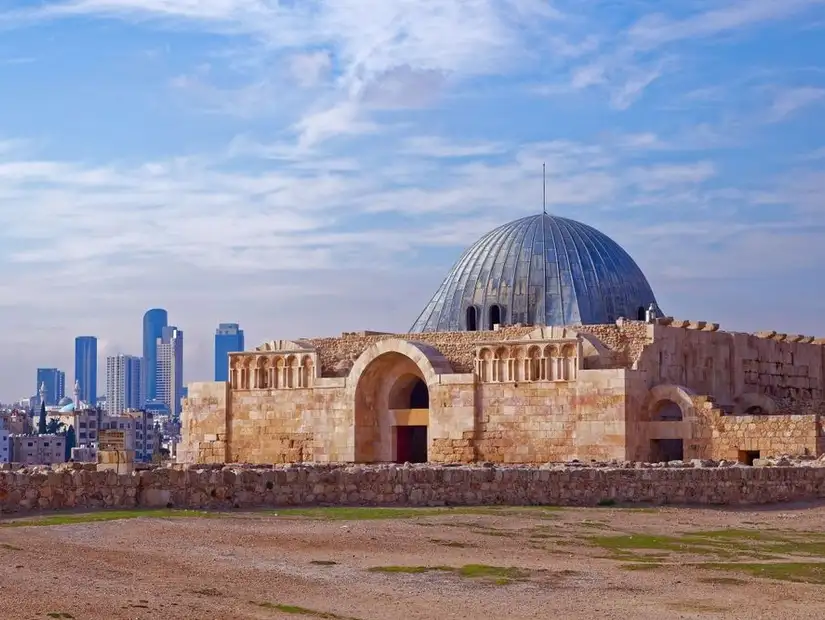
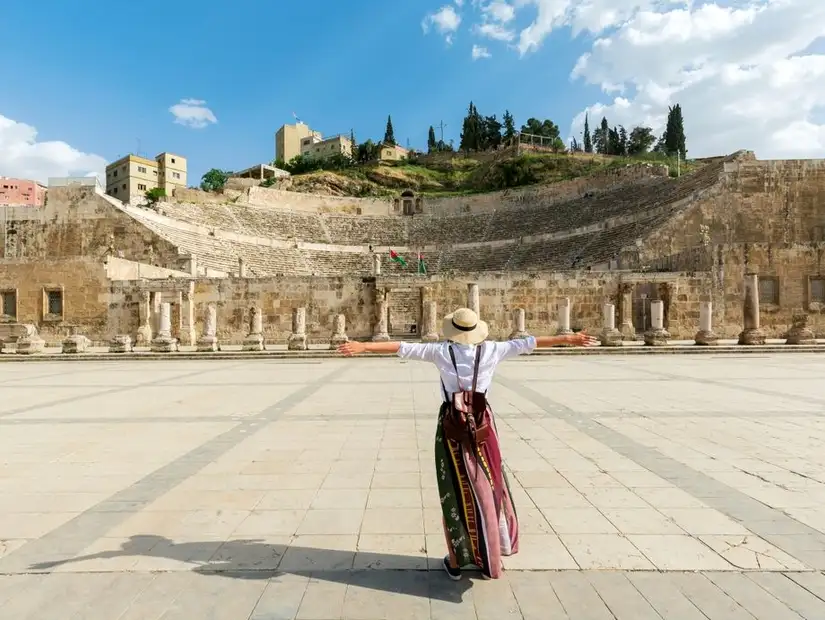
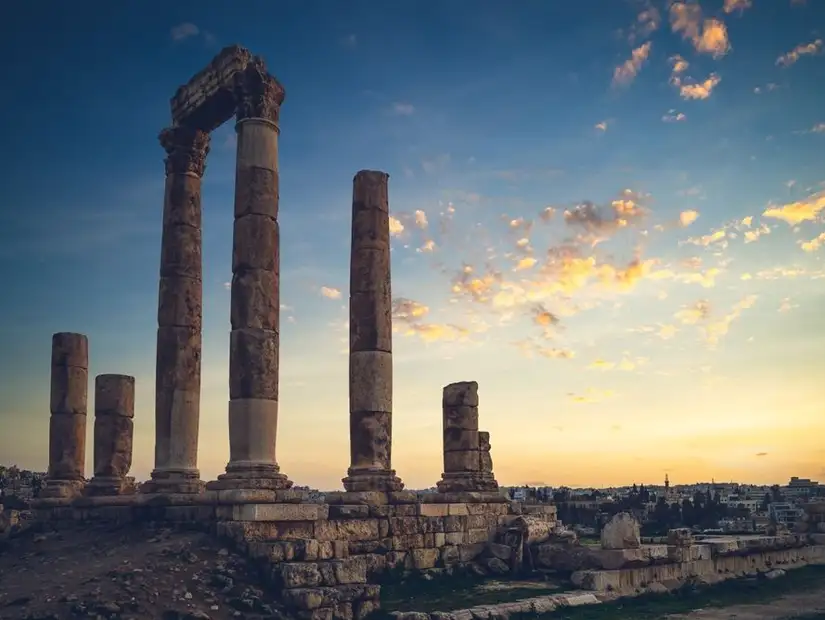
Amman is more than an arrival point. Start at the Citadel for elevated views across the city, then continue toward the Roman Theatre and downtown markets. The city is also one of the best places to explore Jordanian food, from casual falafel and hummus stops to contemporary restaurants. Amman works particularly well for your first or final night because of its flight connections and position in northern Jordan.
Jerash — Best Easy Historical Day Trip

Jerash is one of the easiest major archaeological excursions from Amman. The ancient city contains remarkably extensive Roman-era ruins, including colonnaded streets, temples, theatres, and plazas. For travelers spending several nights in Amman, Jerash provides a major historical experience without requiring a hotel change.
Dead Sea — Wellness and Resort Stay
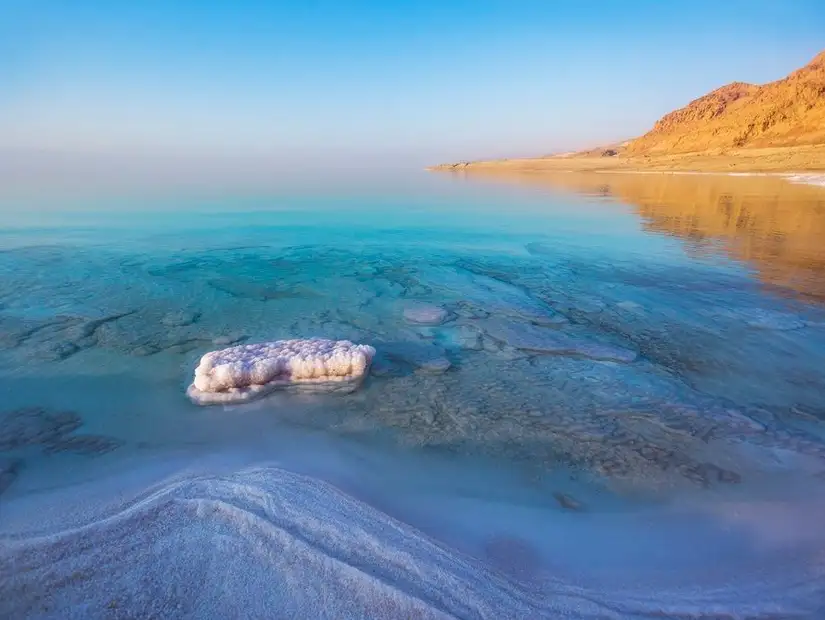
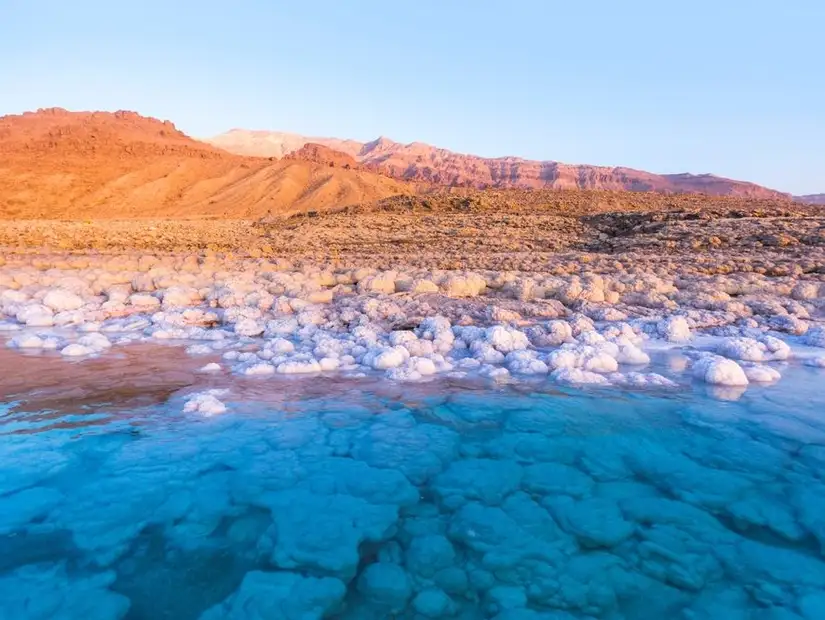
The Dead Sea is the natural place to slow down after several days of sightseeing. Resorts along the shoreline offer pools, spas, and access to the mineral-rich water. Floating in the Dead Sea is the signature experience, but the resort setting itself is equally useful after long days in Amman or Petra.
Because the Dead Sea is relatively accessible from Amman, it also works for a three-day Jordan trip.
Petra — Essential First-Time Experience
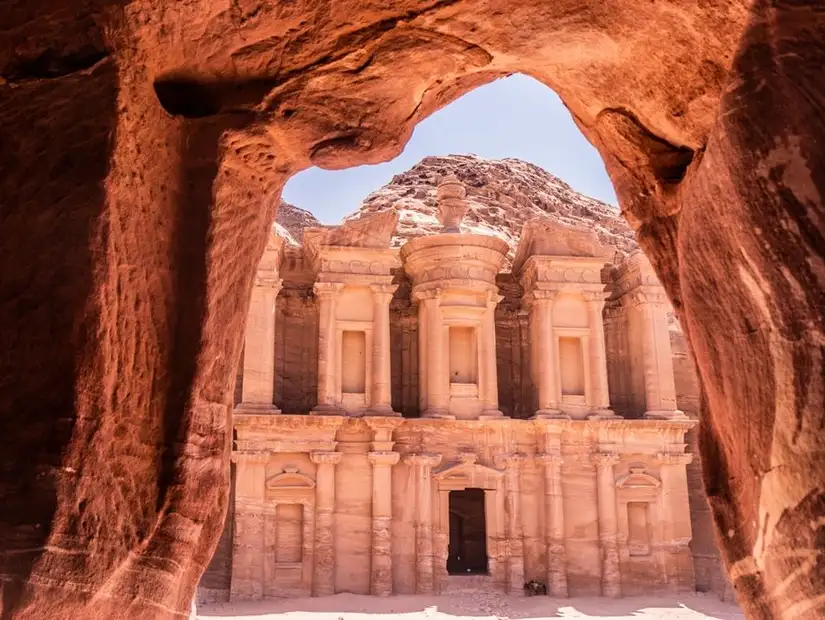
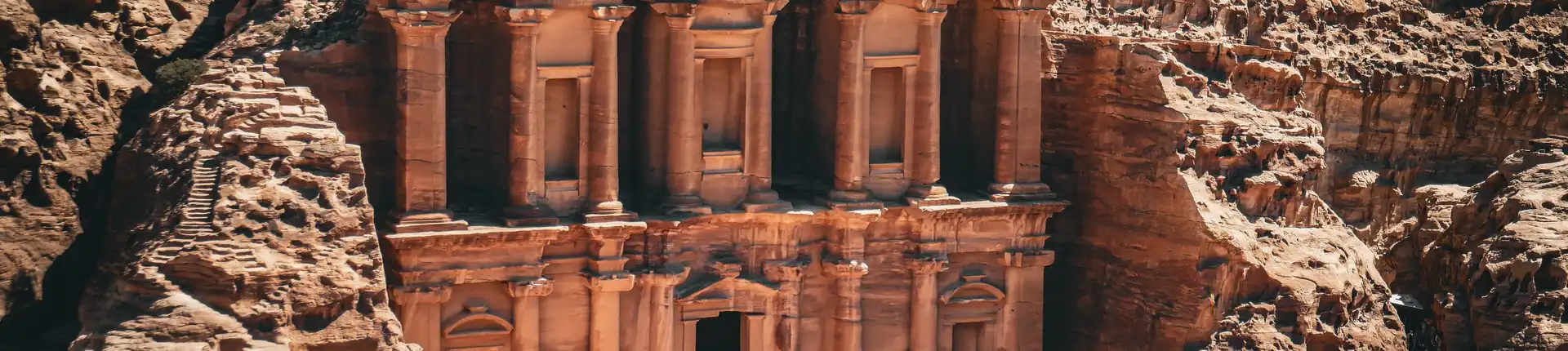
For most first-time visitors, Petra is non-negotiable. The ancient Nabataean city is reached through the narrow Siq before the Treasury appears between the rock walls. Beyond it, the archaeological area continues through tombs, temples, paths, viewpoints, and the route toward the Monastery. Petra is approximately a three-hour drive from Amman via the Desert Highway, depending on traffic and stops. Allow at least a substantial part of one day inside the site. Travelers who enjoy hiking can easily spend longer.
Wadi Rum — Desert Adventure and Stargazing
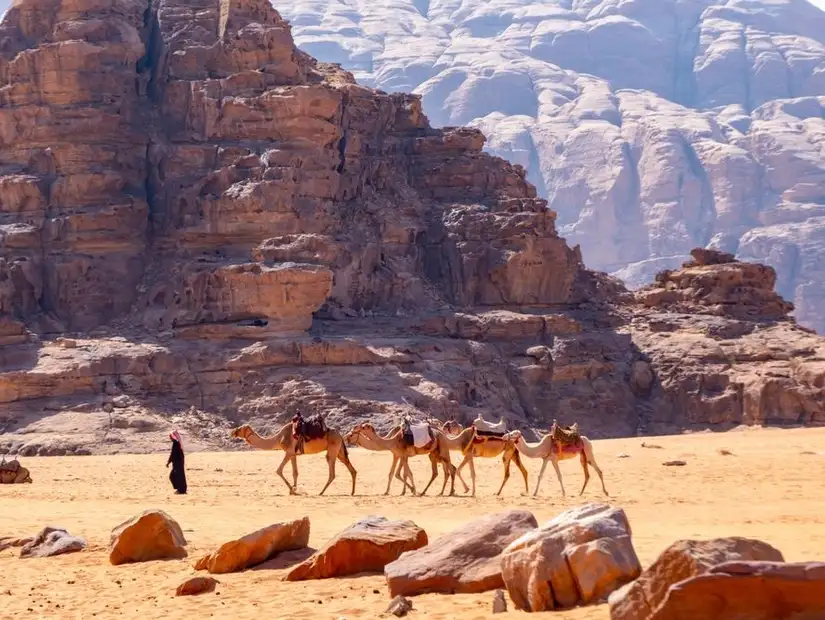
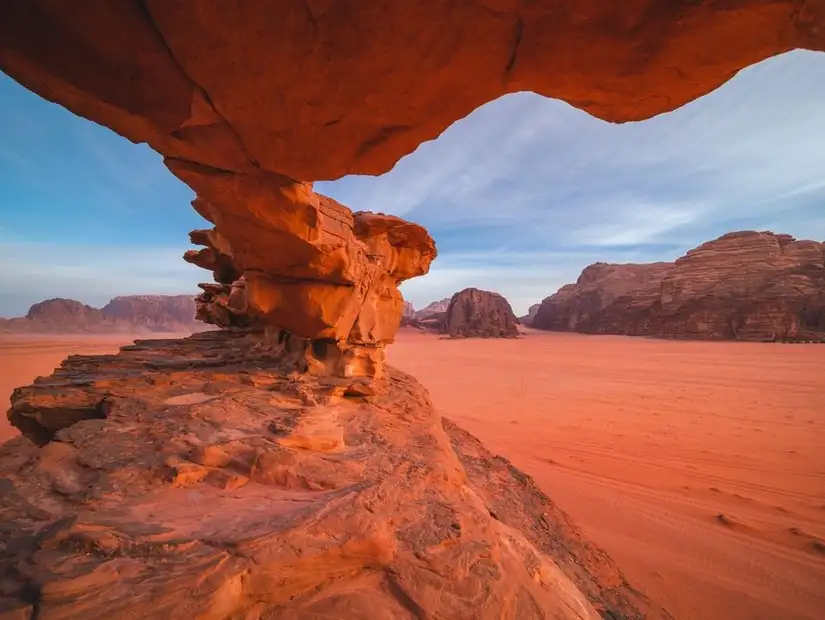
Wadi Rum introduces an entirely different landscape. Towering sandstone formations, open desert, dunes, and wide valleys make it one of Jordan's strongest outdoor experiences. A typical stay combines a 4WD desert tour with sunset and a night at a camp. Accommodation ranges from relatively simple desert camps to properties focused on higher-end experiences. Wadi Rum is particularly memorable after Petra because the two destinations can be linked naturally on a southbound road trip.
Aqaba — Red Sea Beach Break
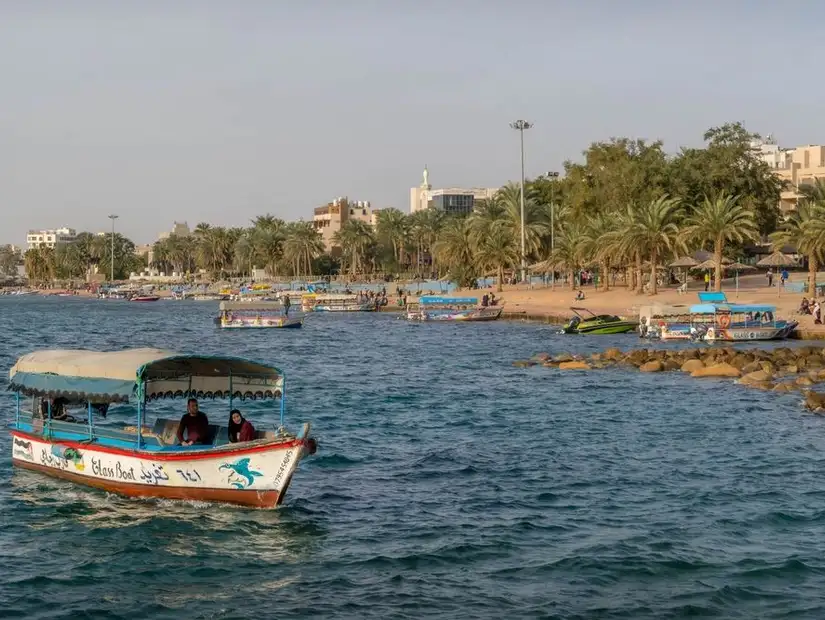
Aqaba is Jordan's Red Sea escape. The city works well at the end of a longer itinerary, giving travelers time for beach resorts, swimming, snorkeling, diving, or simply recovering after Petra and Wadi Rum. Families may find Aqaba especially useful because it adds genuine downtime to an otherwise sightseeing-heavy trip.
Madaba & Mount Nebo — Easy Cultural Add-On
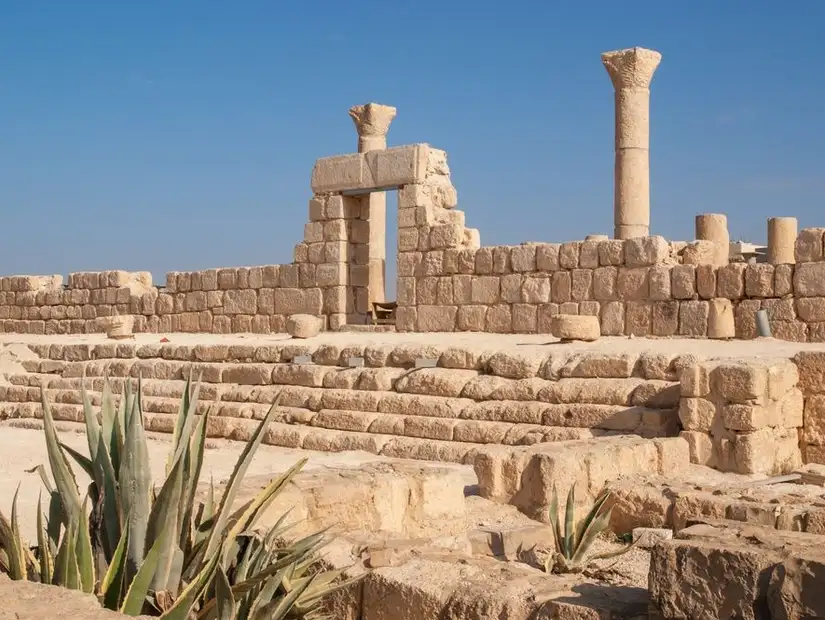
Madaba is known for its historic mosaics and makes a convenient cultural stop between Amman and the Dead Sea. Nearby Mount Nebo adds panoramic views and religious heritage, making the combination particularly practical for travelers who want an additional cultural experience without committing to a full day.
Dana & Wadi Mujib — For Outdoor Travelers
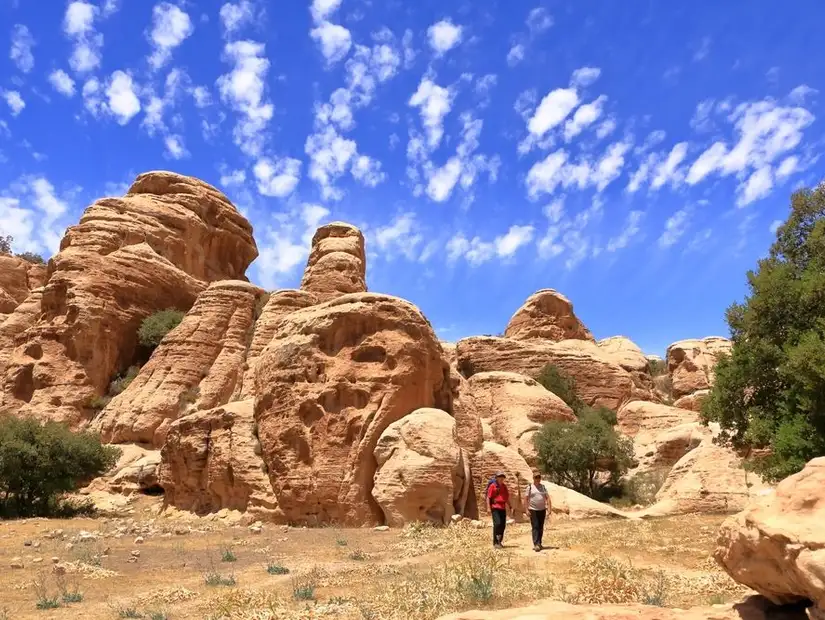
Jordan has much more to offer hikers than Petra. Dana is known for dramatic landscapes and longer hiking possibilities, while Wadi Mujib offers adventurous canyon experiences when routes are open and conditions permit. Activities in wadis can be seasonal, so check access and weather conditions before building a trip around them.
Flying from Saudi Arabia to Jordan

Flying is the easiest option for most short trips.
Riyadh to Amman
A nonstop flight from Riyadh to Amman takes approximately 2.5 hours. Most Riyadh services use Queen Alia International Airport, which sits outside central Amman. Factor the airport transfer into your arrival-day plans rather than scheduling major sightseeing immediately after landing.
Jeddah to Amman
Nonstop Jeddah–Amman flights take just under two hours, making Jordan particularly accessible from western Saudi Arabia. However, Jeddah travelers need to pay special attention to the airport listed on their booking.
Important 2026 Airport Update for Jeddah Travelers
Amman now has two airport codes that Saudi travelers may encounter. Amman Civil Airport (ADJ), also known as Marka Airport, while services from several other Saudi cities continued to use Queen Alia International Airport (AMM).
Flight schedules and airport assignments can change, so do not assume that every ticket labeled "Amman" arrives at the same airport.
Before arranging a hotel transfer, rental car, or pickup:
- Check whether your ticket says AMM or ADJ
- Confirm the airport again close to departure
- Give your transfer provider the airport code rather than simply saying "Amman Airport"
Driving from Saudi Arabia to Jordan
Jordan is also a practical road-trip destination from Saudi Arabia, particularly for travelers in northern and northwestern parts of the Kingdom.
There are three principal land crossings between Saudi Arabia and Jordan: Al-Omari, Mudawara, and Durra. Which one makes sense depends heavily on where you begin your journey and whether you are heading toward Amman, Petra, Wadi Rum, or Aqaba.
Before leaving, check:
- Passport and entry documentation
- Vehicle registration
- Authorization if the vehicle is not in your name
- Cross-border requirements for financed or rented vehicles
- Motor insurance valid in Jordan
- Current border status and operating conditions
- Fuel and rest-stop planning
Do not underestimate distances. Driving into Jordan may be straightforward, but continuing between Amman, Petra, Wadi Rum, and Aqaba can add many additional hours behind the wheel. Public holidays and peak travel periods can also increase border waiting times.
Best Jordan Itineraries from Saudi Arabia
3 Days: Amman + Dead Sea
Day 1: Arrive in Amman, explore the Citadel, downtown, and local dining.
Day 2: Travel to the Dead Sea and spend the afternoon at a resort.
Day 3: Relaxed morning, return to Amman, and fly home.
This is the best choice if you want a short trip without long road transfers.
4 Days: Amman → Petra → Dead Sea
Spend the first day in Amman, travel to Petra for your second and third days, then finish with the Dead Sea.
This itinerary gives first-time visitors the essential Jordan experience without trying to include every major destination.
5 Days: Amman → Petra → Wadi Rum → Dead Sea
Five days is enough to create a much more varied trip.
Explore Amman, give Petra adequate time, spend a night in Wadi Rum, then finish at a Dead Sea resort before departure.
7 Days: Amman → Jerash → Dead Sea → Petra → Wadi Rum → Aqaba
A full week allows you to see Jordan at a comfortable pace.
The route moves naturally from northern historical sites toward the Dead Sea and then south through Petra and Wadi Rum before ending beside the Red Sea in Aqaba.
Best Time to Visit Jordan
- Spring: March to May is one of the strongest periods for a countrywide itinerary. Temperatures are generally comfortable for walking through Petra, exploring Amman, and spending time outdoors.
- Summer: Summer can be very hot in Petra, Wadi Rum, and lower-elevation areas during the middle of the day. Early starts become especially important. Aqaba and the Dead Sea are also hot, making resort pools and water activities a major part of the experience.
- Autumn: September to November is another excellent period for road trips and outdoor sightseeing, particularly as temperatures begin to become more comfortable.
- Winter: Winter can bring genuinely cold weather to Amman and Petra, especially at night. Higher areas may experience challenging weather, while the Dead Sea and Aqaba are generally milder.
- Do not pack for Jordan as though the entire country has desert heat year-round.
How to Get Around Jordan
- A rental car provides the most flexibility for road trips and works particularly well for families or travelers combining several regions.
- A private driver is more expensive but removes the burden of navigation and long driving days.
- Buses connect some of the major tourism destinations and can work well for travelers who plan carefully around schedules.
- Taxis and ride-hailing services are more useful within Amman and for shorter transfers than for an entire multi-city itinerary.
- Petra and Wadi Rum are primarily reached overland, so transportation should be planned before accommodation rather than treated as an afterthought.
Saudi Riyal, Jordanian Dinar and Payments
- Jordan uses the Jordanian dinar (JOD). Cards are widely useful in hotels, larger restaurants, shopping centers, and many tourism businesses, but carrying some Jordanian dinars remains practical for smaller purchases, local businesses, tips, and more remote stops.
- Avoid planning your budget around a fixed exchange rate published months before your trip. Check the current conversion shortly before departure and compare any foreign-currency fees charged by your bank.
- ATMs are easy to find in major cities and tourism centers but become less convenient in remote desert areas.
What to Pack for Jordan
- For Petra: Bring comfortable walking shoes, sun protection, water, and a small day bag. Layers are useful because mornings and evenings can feel different from midday.
- For Wadi Rum: Pack closed shoes, sun protection, and an extra layer for the evening. Desert temperatures can fall considerably after sunset, particularly outside summer.
- For the Dead Sea: Bring swimwear, sandals, sun protection, and something comfortable to wear around the resort. Avoid shaving immediately before entering the highly saline water, as minor cuts can sting.
- For Winter: Pack proper layers and a warm jacket for Amman, Petra, and desert nights.
- For Summer: Lightweight breathable clothing, sunglasses, a hat, and strong sun protection are essential. Modest clothing is also useful when visiting religious or traditional settings.
Frequently Asked Questions
- Do Saudi citizens need a visa for Jordan? Saudi passport holders can currently visit Jordan for short tourism trips without arranging a visa in advance. Entry rules can change, so confirm the latest requirements before traveling.
- Can Saudi residents get a Jordan visa on arrival? Some non-Saudi residents of GCC countries can qualify for a visa on arrival, but eligibility depends on nationality, valid residency, and current entry conditions. Check your passport nationality rather than relying only on Saudi residency.
- How long is Riyadh to Amman? A nonstop flight takes approximately 2.5 hours.
- How long is Jeddah to Amman? Nonstop services take just under two hours.
- Can I drive from Saudi Arabia to Jordan? Yes. Saudi Arabia and Jordan share land crossings, making self-drive trips possible when travelers and vehicles meet the current documentation and insurance requirements.
- How many days do I need for Petra and Wadi Rum? Allow at least two days for the combination: one substantial day at Petra followed by a night and desert experience in Wadi Rum. Three days provides a more relaxed pace.
- Is Jordan Pass useful for Saudi citizens? No. Jordan Pass is not available to holders of Arabic nationalities, so Saudi travelers should plan attraction tickets separately.
- Which airport should I use for Amman? Queen Alia International Airport (AMM) handles most international traffic, but some regional services use Amman Civil Airport (ADJ). Jeddah travelers in particular should check the airport code printed on the booking.
- Is Jordan suitable for a family road trip? Yes. Jordan works particularly well for families who want to combine history, outdoor experiences, and resort time. Keep driving days realistic and consider adding the Dead Sea or Aqaba between more active sightseeing days.
Jordan's biggest advantage for Saudi travelers is how much variety fits into a relatively short trip. Choose Amman and the Dead Sea for an easy three-day break. Add Petra when you have four days, include Wadi Rum with five, and use a full week to continue to Aqaba without rushing.
The most important planning decision is not how many famous places you can fit into the itinerary, but how much time you want to spend on the road. Petra deserves time to explore, Wadi Rum is better when you stay for sunset and the night, and the Dead Sea works best when it is treated as downtime rather than another stop to tick off. Ready to explore Jordan? Compare flights from Riyadh, Jeddah, and other Saudi cities to Amman and start planning your trip with WINGIE.
You may also like:
- The Ultimate Guide to Planning a Multi-City MENA Holiday
- Top 10 Scenic Road Trips in the MENA Region
- Top 10 Cultural City Breaks in the MENA Region
- Top 10 Nature Escapes in the MENA Region
- Top 10 Ancient Wonders in the MENA Region
- Top Museums for Children in the MENA Region
- An Ultimate Guide to Henna Art in the MENA Region
- Top Spots for Urban Night Photography in the MENA Region
- Top Green Hotels and Resorts in the MENA Region for Eco-Friendly Stays
- Top Libraries in the MENA Region
- Top Spice Souqs in the MENA Region
- The Most Famous Castles in the MENA Region
- The Most Beautiful Natural Wonders in the MENA Region
- Top Camping Destinations in the MENA Region
- Top 10 Family-Friendly Destinations
- Top Oases in the MENA Region
- Top Destinations for the Eid Holiday in the MENA Region
- Top Archaeological Destinations in the MENA Region
- Top Diving Destination in the MENA Region
- Top Desert Safari Destinations in the MENA Region
- Top 10 Island Escapes in the MENA Region

