Top 10 Cultural City Breaks in the MENA Region


The Middle East and North Africa (MENA) region is home to some of the world’s oldest continuously inhabited urban centers, historic trade networks, and diverse artistic traditions. While many travelers know the region for its dramatic deserts and modern skylines, its cities offer living cultural experiences where ancient history sits right alongside daily life.
A great cultural city break is about more than snapping photos of famous monuments. It involves walking through centuries-old residential neighborhoods, savoring traditional dishes cooked from generational recipes, exploring world-class museums, and connecting with local communities. Whether you are looking for a long weekend escape or a deep dive into history, these 10 MENA cities offer unforgettable journeys into the region's rich heritage.
What Makes a Great Cultural City Break?
Layers of History and Architecture
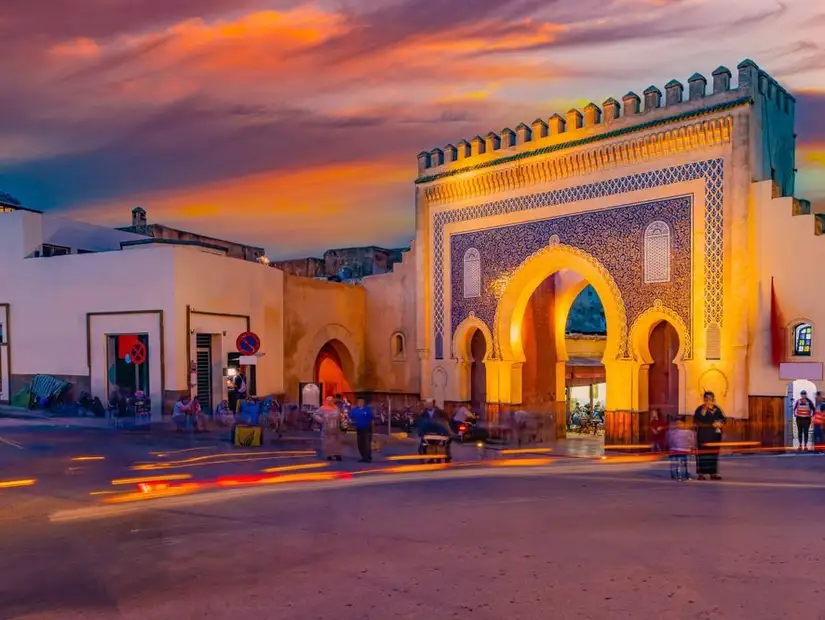
The best cultural destinations feature distinct historical layers. In a single afternoon, you might walk past Roman ruins, medieval Islamic fortresses, Ottoman trade houses, and 20th-century civic architecture.
Authentic Food Traditions
Cuisine is one of the most accessible ways to understand a city's identity. Local food scenes reflect geography, historic trade routes, agricultural traditions, and seasonal harvests passed down over generations.
Arts, Museums, and Creative Spaces
A thriving cultural city balances historic preservation with contemporary creativity. World-class art museums, independent galleries, music venues, and neighborhood artisan workshops offer insight into a city's artistic evolution.
Walkable Neighborhoods and Markets
Cultural discovery thrives on foot. Historic markets (souqs or medinas), pedestrian alleys, and public plazas allow travelers to observe local rhythms, interact with artisans, and discover hidden gems away from main roads.
1. Egypt: Cairo — Where Ancient Civilizations Meet Urban Vitality
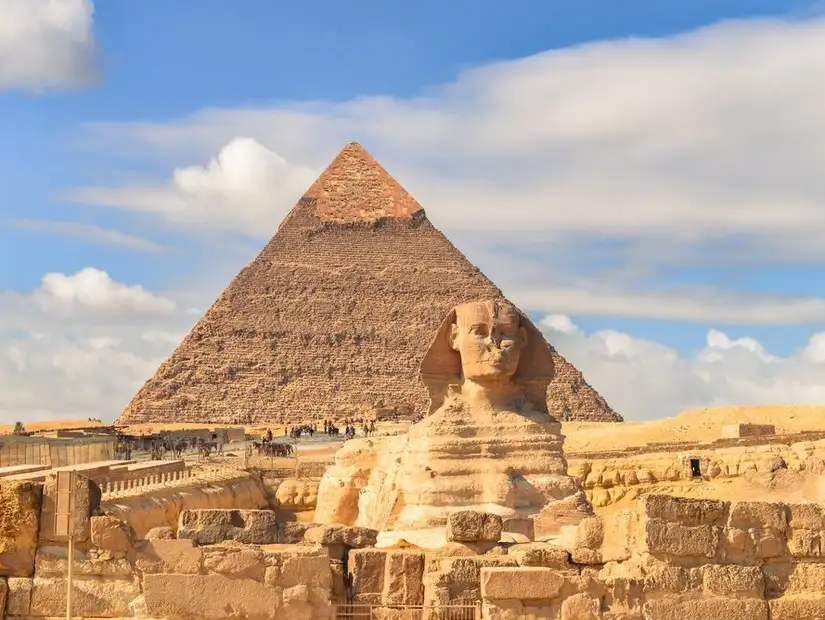
As the capital of Egypt and one of the largest metropolitan areas in Africa and the Middle East, Cairo is a city of staggering historic depth. Situated along the banks of the Nile, it serves as the ultimate gateway to thousands of years of human history.
Key Cultural Highlights
- The Pyramids of Giza and the Sphinx: Located on the city's western edge, these iconic monuments of the Old Kingdom stand as enduring symbols of ancient engineering.
- The Grand Egyptian Museum (GEM): Situated near the Pyramids, this state-of-the-art facility houses the world’s most comprehensive collection of ancient Egyptian antiquities, including the complete treasures of King Tutankhamun.
- Historic Cairo and Khan El-Khalili: A UNESCO World Heritage site filled with medieval Islamic architecture, grand mosques like Sultan Hassan, and a 14th-century bazaar filled with brassware, spices, and leather goods.
Local Food to Try
Sample Koshari, Egypt’s national comfort dish made of rice, pasta, lentils, chickpeas, crispy fried onions, and spiced tomato garlic sauce, or enjoy fresh Ta'ameya (Egyptian fava bean falafel) at a neighborhood eatery.
2. Morocco: Marrakech — A City of Imperial Colors and Craftsmanship
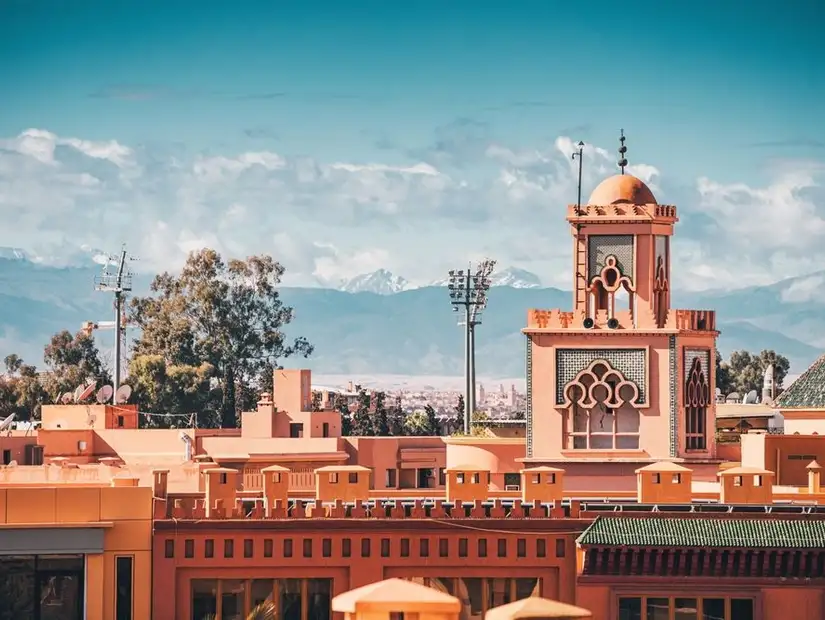
Set against the snow-capped peaks of the High Atlas Mountains, Marrakech is one of Morocco’s four historic imperial cities. Famous for its pink sandstone buildings, vibrant artisan quarters, and palatial architecture, the city offers a sensory journey into North African heritage.
Key Cultural Highlights
- The Medina of Marrakech: A sprawling UNESCO World Heritage site enclosed by 12th-century walls, filled with labyrinthine alleys, traditional residential riads, and specialized artisan markets.
- Jemaa el-Fnaa: The central square that transforms each evening into an open-air theater filled with storytellers, musicians, henna artists, and traditional food stalls.
- Bahia Palace: A magnificent 19th-century palace showcasing master Moroccan craftsmanship, including intricate tilework (zellige), carved cedarwood ceilings, and quiet garden courtyards.
Local Food to Try
Savor slow-cooked lamb or vegetable tagines infused with saffron, cumin, and preserved lemons, accompanied by fresh mint tea and local pastilla (a savory-sweet spiced meat pastry).
3. Oman: Muscat — Coastal Traditions and Preserved Heritage
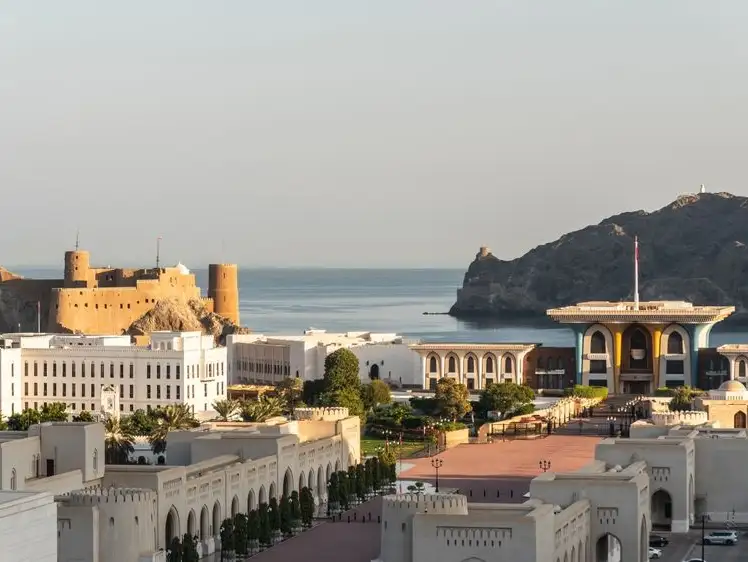
Positioned along the Gulf of Oman, Muscat offers a quiet, refined cultural break. The city has carefully preserved its low-rise Arabian architecture, maritime traditions, and historic forts, presenting an authentic look into Omani heritage.
Key Cultural Highlights
- Sultan Qaboos Grand Mosque: A masterpiece of modern Islamic architecture featuring a hand-woven Persian carpet, massive Swarovski chandelier, and peaceful marble courtyards.
- Mutrah Souq and Corniche: One of the oldest markets in the Gulf region, where winding covered alleys smell of Frankincense, myrrh, silver jewelry, and traditional Omani spices.
- Al Jalali and Al Mirani Forts: Twin 16th-century Portuguese fortresses standing guard over Muscat’s historic harbor and the Royal Palace (Al Alam Palace).
Local Food to Try
Enjoy fresh Arabian Sea fish cooked with Omani spices, accompanied by Shuwa (marinated meat slow-roasted underground) and traditional Omani halwa paired with Kahwa (cardamom-infused coffee).
4. Saudi Arabia: Riyadh — Historic Roots and Cultural Transformation
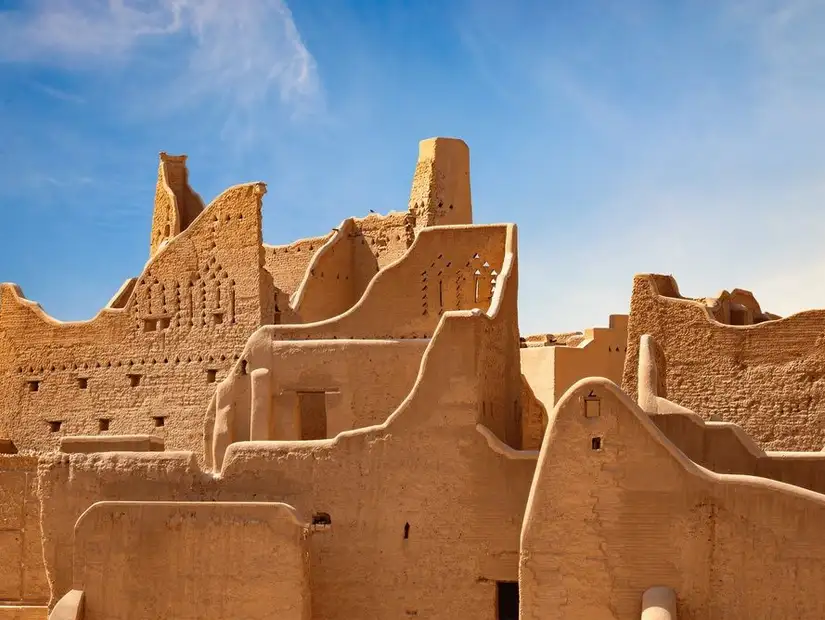
Saudi Arabia’s capital city presents a fascinating contrast where deep Nejd architectural traditions meet ambitious contemporary cultural initiatives. It serves as an essential hub for understanding the Kingdom's past, present, and future.
Key Cultural Highlights
- Diriyah (At-Turaif): A UNESCO World Heritage site on the city's outskirts, featuring restored mudbrick palaces and traditional Najdi architecture that mark the birthplace of the first Saudi state.
- Al Masmak Fortress: A 19th-century clay-and-mudbrick fort in central Riyadh that played a pivotal role in the unification of the Kingdom, now serving as a museum.
- National Museum of Saudi Arabia: A world-class institution housing eight galleries that trace human history, Arabian culture, Islamic art, and Saudi heritage through interactive displays.
Local Food to Try
Taste traditional Najdi dishes like Kabsa (spiced rice topped with slow-cooked meat), Jareesh (cracked wheat cooked with milk and meat), and fresh dates served with rich Arabic coffee.
5. Jordan: Amman — A Gateway Across Ancient Eras
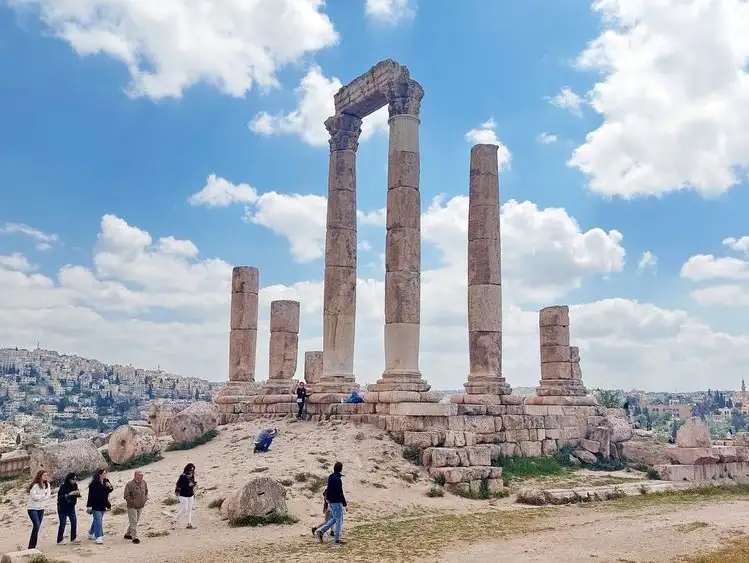
Built across several hills (jebels), Amman is a vibrant city where ancient ruins sit directly among residential neighborhoods, bustling markets, and artistic cafes.
Key Cultural Highlights
- Amman Citadel (Jebel Al Qal'a): Perched atop the city’s highest hill, this archaeological site contains ruins spanning the Bronze Age, Roman Temple of Hercules, Byzantine Church, and early Islamic Umayyad Palace.
- The Roman Theater: A restored 2nd-century theater cut into the hillside of Downtown Amman, capable of seating 6,000 spectators and still used for cultural events today.
- Downtown Amman (Al-Balad): The city's historic commercial core, known for its spice markets, traditional textile shops, street art, and vintage cafes.
Local Food to Try
No visit is complete without sampling Mansaf, Jordan’s national dish of tender lamb cooked in a fermented dried yogurt sauce (jameed) and served over rice, or enjoying hot, fresh Knafeh from long-standing sweet shops in Downtown Amman.
6. Lebanon: Beirut — Mediterranean Heritage, Arts, and Culinary Tradition
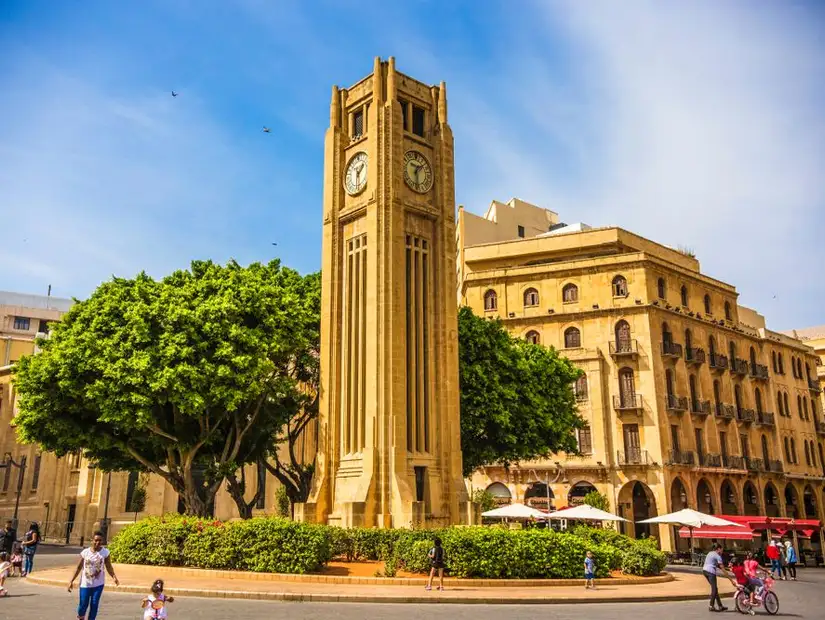
Beirut is a city celebrated for its intellectual heritage, creative arts scene, resilience, and renowned culinary culture. Positioned along the Mediterranean coast, it blends Levant traditions with European architectural influences.
Key Cultural Highlights
- National Museum of Beirut: The principal museum of archaeology in Lebanon, displaying a collection of artifacts that trace human history from prehistoric times through the Bronze Age, Phoenician era, Roman period, and Mamluk rule.
- Historic Neighborhoods (Gemmayzeh and Mar Mikhael): Characterized by narrow streets, 19th-century French-mandate architecture, art galleries, bookshops, and creative cafes.
- Raouche (Pigeon Rocks) and the Corniche: A seaside promenade offering sweeping views of the Mediterranean, where locals gather for evening walks.
Local Food to Try
Indulge in an authentic Lebanese Mezze spread featuring Hummus, Tabbouleh, Moutabal, Kibbeh, and freshly baked flatbreads topped with Za'atar.
7. Tunisia: Tunis — Mediterranean Charm and Ancient Heritage
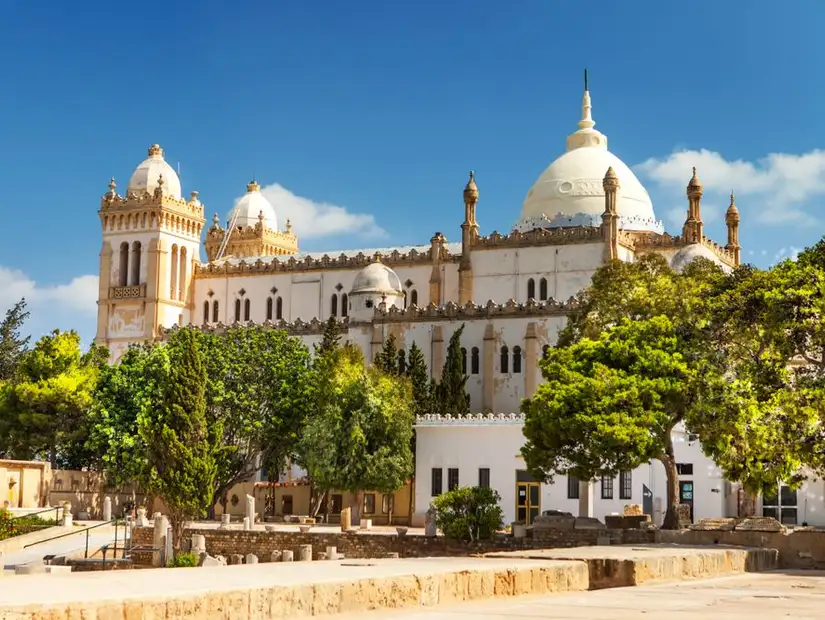
Situated in North Africa, Tunis is a crossroads where Arab, Mediterranean, Roman, and French influences intersect. It offers travelers an authentic, low-key cultural break filled with history and architectural beauty.
Key Cultural Highlights
- The Medina of Tunis: A UNESCO World Heritage site containing over 700 monuments, including historic mosques, palaces, madrasas, and fountains dating from the 12th to the 16th centuries.
- The Bardo National Museum: Housed in a 19th-century Beylical palace, this museum contains one of the world's finest collections of Roman mosaics, excavated from sites across North Africa.
- Ancient Carthage: Located just outside the city center, the archaeological ruins of ancient Carthage offer a look into Punic and Roman maritime history.
Local Food to Try
Try Brik, a delicate, crispy pastry filled with a whole egg, tuna, parsley, and capers, or savor a warm bowl of Couscous topped with fresh Mediterranean fish, vegetables, and spicy Harissa.
8. Qatar: Doha — World-Class Museums and Waterfront Culture
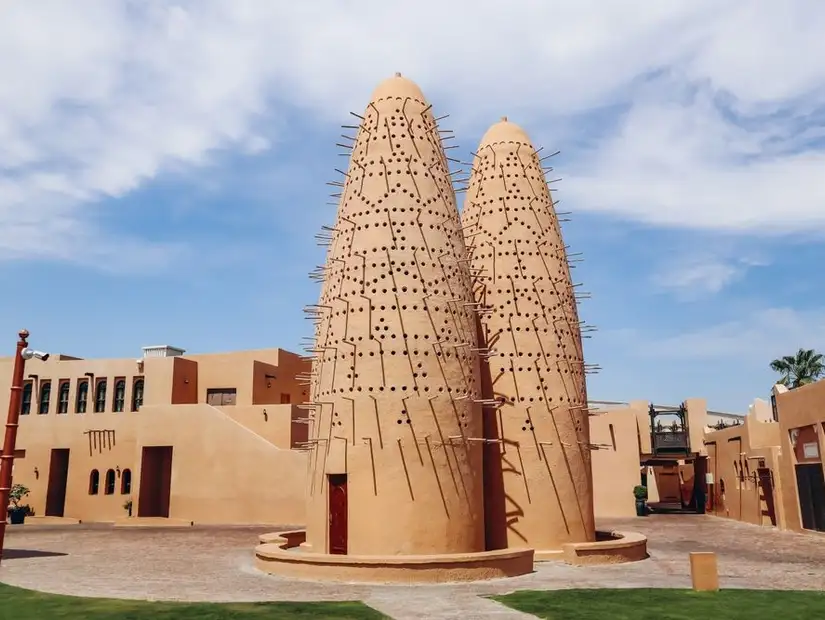
Doha has established itself as an international cultural hub, investing heavily in state-of-the-art museums, heritage restorations, and public art initiatives along the Persian Gulf.
Key Cultural Highlights
- Museum of Islamic Art (MIA): Designed by architect I.M. Pei, this iconic building on its own off-shore peninsula houses fourteen centuries of Islamic art, metalwork, ceramics, textiles, and manuscripts.
- National Museum of Qatar: Designed by Jean Nouvel in the shape of a desert rose, this immersive museum tells the story of Qatar’s geological formation, pearl-diving history, and modern development.
- Souq Waqif: A restored traditional market featuring mud-rendered buildings, spice shops, falconry centers, artisan handicraft stalls, and outdoor dining.
Local Food to Try
Enjoy Machboos, a fragrant rice dish cooked with slow-simmered meat, dried limes, and regional spices, or sample local seafood at the waterfront harbor.
9. UAE: Abu Dhabi — Global Art, Heritage, and Presidential Architecture
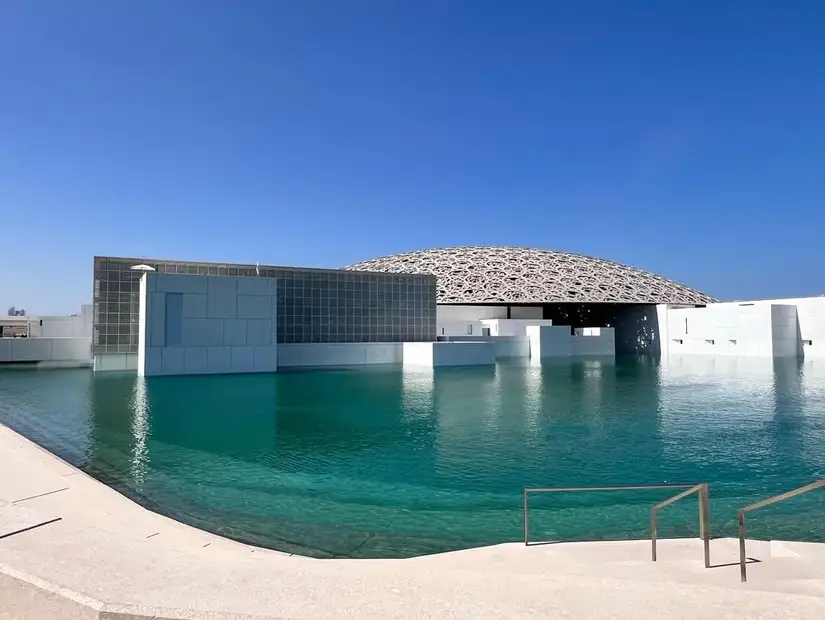
As the capital of the United Arab Emirates, Abu Dhabi has positioned culture at the center of its identity, blending traditional Emirati heritage with landmark global partnerships.
Key Cultural Highlights
- Louvre Abu Dhabi: Located in the Saadiyat Cultural District, this architectural marvel designed by Jean Nouvel features a geometric dome casting a "rain of light" over galleries displaying global art spanning ancient civilizations to contemporary masters.
- Qasr Al Watan: The working Presidential Palace, open to the public, showcasing Arabian craftsmanship, vast libraries, and exhibits celebrating regional governance and scholarship.
- Sheikh Zayed Grand Mosque: One of the world's largest mosques, constructed with white Macedonian marble, floral stone inlay work, and intricate calligraphy.
Local Food to Try
Sample traditional Emirati specialties such as Balaleet (sweetened vermicelli noodles served with an omelet) or Harees (slow-cooked wheat and meat) paired with fresh dates and Arabic coffee.
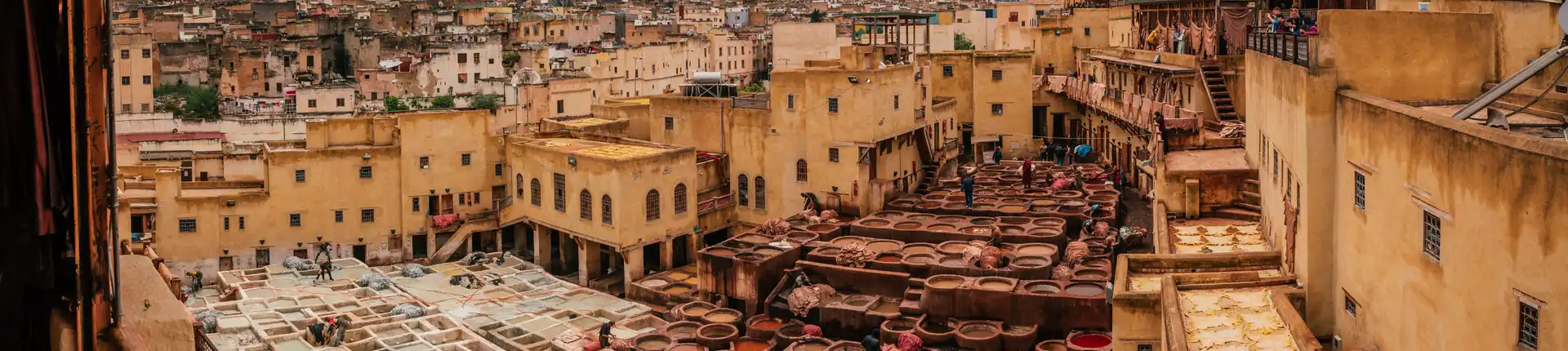
10. Morocco: Fez — The Medieval Heart of Learning and Craftsmanship
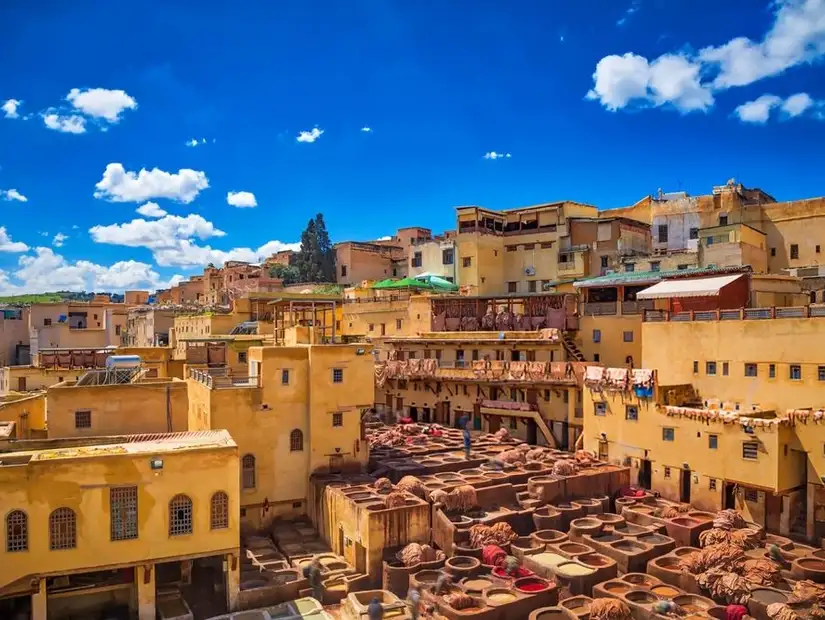
As Morocco's spiritual and intellectual capital, Fez offers an immersive step back in time. It is home to the world’s oldest continually operating university and a medieval urban layout that remains largely unchanged.
Key Cultural Highlights
- Fes el-Bali (Old Fez): The world’s largest car-free urban area, a UNESCO-listed maze of over 9,000 narrow alleys filled with donkey carts, spice markets, and residential quarters.
- University of Al-Qarawiyyin: Founded in 859 CE by Fatima al-Fihri, this historic institution is recognized by UNESCO as the oldest continually operating university in the world.
- Chouara Tannery: Iconic 11th-century open-air tanneries where leather is still dyed by hand in massive stone vats using natural ingredients.
Local Food to Try
Savor Pastilla, Fes’ signature dish made of thin layers of dough filled with slow-cooked shredded poultry, toasted almonds, cinnamon, and powdered sugar.
Best Time for a Cultural City Break in the MENA Region
- Autumn (October to November) and Spring (March to April): These shoulder seasons offer the best weather across the entire region. Air temperatures are warm and pleasant for long walking tours, outdoor markets, and historical sightseeing.
- Winter (December to February): Winter brings mild, sunny weather to Gulf destinations like Muscat, Doha, Abu Dhabi, and Riyadh, making it the peak season for outdoor exploration. In North Africa and the Levant (Cairo, Amman, Tunis), winter brings cooler, crisp air suitable for sightseeing without extreme heat.
- Summer (May to September): While summer temperatures can be intense in inland cities and Gulf destinations, it remains a good time to visit air-conditioned world-class museums, indoor cultural exhibitions, and evening events.
Tips for Experiencing MENA Cities Like a Local
- Explore Neighborhoods on Foot: While taxis and subways get you between distant districts, walking through historic residential quarters reveals hidden architectural details, local bakeries, and quiet courtyards.
- Support Local Artisans: Purchase handicrafts directly from workshop owners in traditional souks, whether brassware in Cairo, ceramics in Tunis, or leather goods in Marrakech, to support sustainable tourism.
- Dress Respectfully: While major cities accommodate international visitors, wearing modest clothing that covers shoulders and knees when visiting historic areas, religious sites, and residential neighborhoods shows respect for local customs.
- Take Your Time: Hospitality is a cornerstone of regional culture. Never rush a conversation over tea or coffee; sitting down with local shopkeepers, guides, and artisans often leads to the most memorable insights of your trip.
Frequently Asked Questions
- Which MENA city is best for ancient history lovers? Cairo is unmatched for ancient Egyptian history, while Amman and Tunis offer exceptional Greco-Roman, Byzantine, and early Islamic ruins integrated right into their urban centers.
- What are the best MENA cities for a quick weekend cultural break? Doha, Muscat, and Abu Dhabi are ideal for short 2-to-3-day escapes due to their compact layouts, close proximity between cultural sites, and direct airline connections across the region.
- When is the best time of year for a cultural trip to the Middle East? The cooler months from October to April offer comfortable weather for outdoor exploring, walking tours, and visiting open-air markets across North Africa, the Levant, and the Gulf.
The cities of the Middle East and North Africa offer far more than simple sightseeing stops; they are living repositories of art, architecture, culinary traditions, and human history. From the ancient quarters of Cairo and Fes to the modern museum hubs of Doha and Abu Dhabi, every city presents a distinct story waiting to be discovered. Ready to plan your next cultural journey? Discover convenient flights, travel packages, and exclusive fares to top destinations across the region by exploring WINGIE today!
You may also like:
- Top 10 Nature Escapes in the MENA Region
- Top 10 Ancient Wonders in the MENA Region
- Top Museums for Children in the MENA Region
- An Ultimate Guide to Henna Art in the MENA Region
- Top Spots for Urban Night Photography in the MENA Region
- Top Green Hotels and Resorts in the MENA Region for Eco-Friendly Stays
- Top Libraries in the MENA Region
- Top Spice Souqs in the MENA Region
- The Most Famous Castles in the MENA Region
- The Most Beautiful Natural Wonders in the MENA Region
- Top Camping Destinations in the MENA Region
- Top 10 Family-Friendly Destinations
- Top Oases in the MENA Region
- Top Destinations for the Eid Holiday in the MENA Region
- Top Archaeological Destinations in the MENA Region
- Top Diving Destination in the MENA Region
- Top Desert Safari Destinations in the MENA Region

