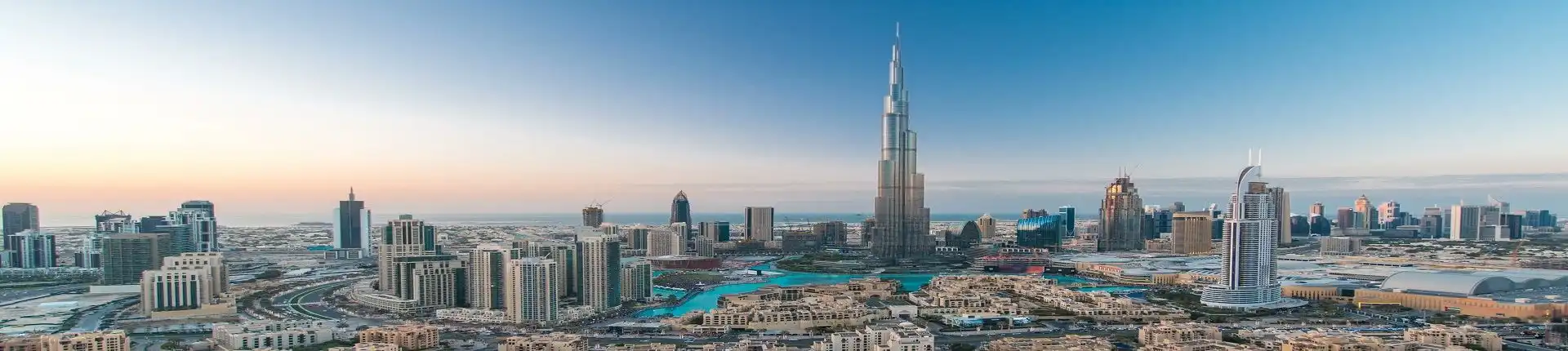
The Ultimate Guide to Planning a Multi-City MENA Holiday


The MENA region is ideal for travelers who want to experience several completely different destinations in a single holiday. Within a few hours of flying, you can move from the historic streets of Cairo to Petra’s ancient landscapes, from Oman's mountains to the beaches of Salalah, or from AlUla's desert scenery to the Red Sea coast.
The challenge is choosing a route that feels like one journey rather than several separate city breaks. Flight schedules, visa requirements, baggage allowances, airport transfers, and the amount of time spent traveling can make a major difference.
With the right route and realistic itinerary, however, a multi-city holiday can be one of the best ways to experience the diversity of the Middle East and North Africa.
Why Plan a Multi-City Trip in the MENA Region?
Short Flights Between Very Different Destinations
One of the biggest advantages of traveling around MENA is the relatively short distance between major destinations.
A regional itinerary might combine ancient archaeological sites, modern cities, beaches, deserts, and mountain landscapes without requiring long-haul flights between every stop.
Strong Regional Flight Connections
Major hubs such as Dubai, Doha, Abu Dhabi, Riyadh, Jeddah, Cairo, and Muscat connect travelers to destinations throughout the region.
Low-cost and regional carriers can also make city-hopping more accessible. Air Arabia currently serves more than 200 destinations across the Middle East, North Africa, Asia, and Europe, while flydubai operates an extensive network from Dubai across the Middle East and beyond.
More Variety in One Holiday
A carefully planned multi-city itinerary can combine experiences that would be difficult to find in one destination. Spend several days exploring museums and historic neighborhoods, continue to a desert or mountain destination, and finish the holiday beside the sea.
Best Multi-City MENA Itineraries
Cairo, Amman and Dubai: History Meets Modernity
Recommended length: 9–12 days
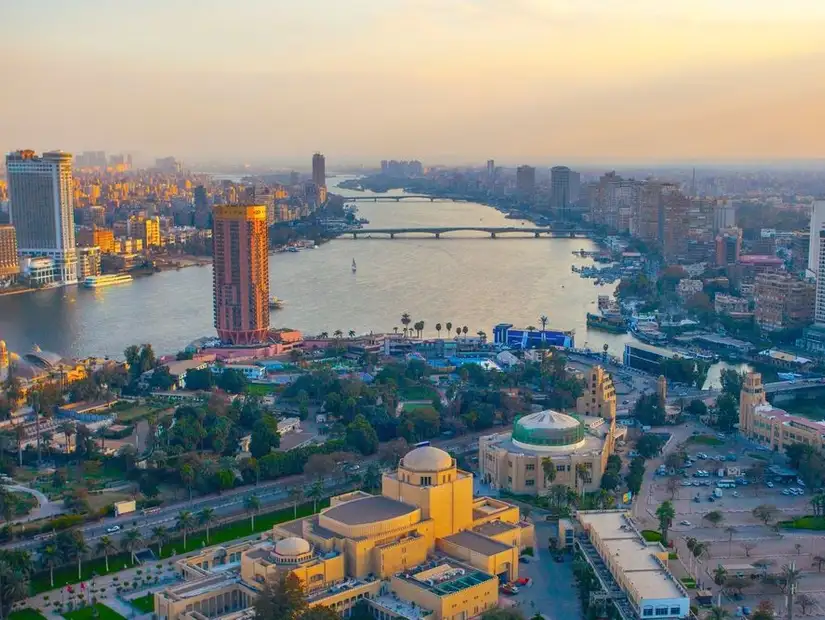
Start in Cairo, where the Pyramids of Giza, historic neighborhoods, museums, and the Nile can easily fill three or four days.
From Cairo, fly to Amman and use the Jordanian capital as a starting point for Petra, the Dead Sea, or Jerash. Allow at least three days if Petra is part of the plan.
Finish in Dubai, where a few days of restaurants, shopping, beaches, entertainment, and modern architecture provide a completely different ending to the trip.
Suggested plan: Cairo 3–4 nights → Amman/Jordan 3–4 nights → Dubai 3 nights.
Muscat, Salalah and Abu Dhabi: Nature and the Gulf
Recommended length: 7–10 days
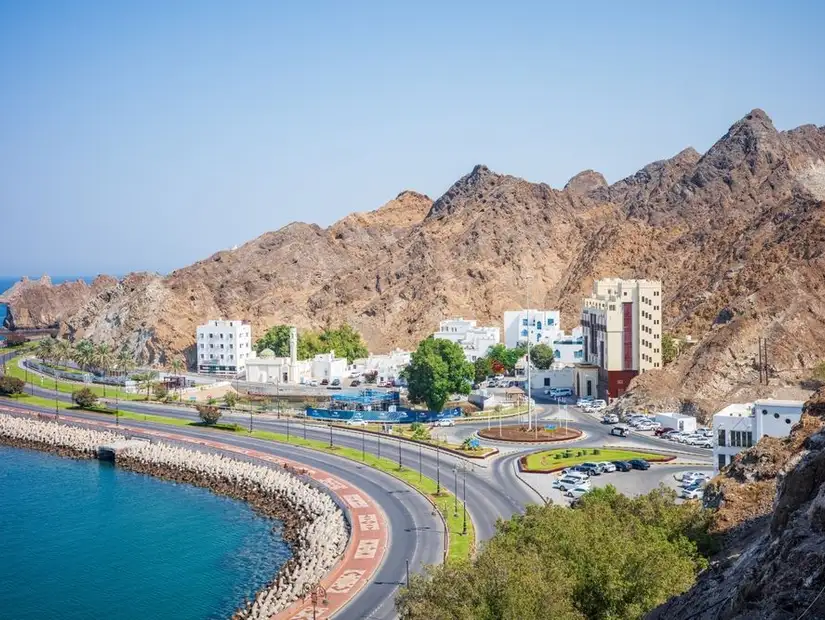
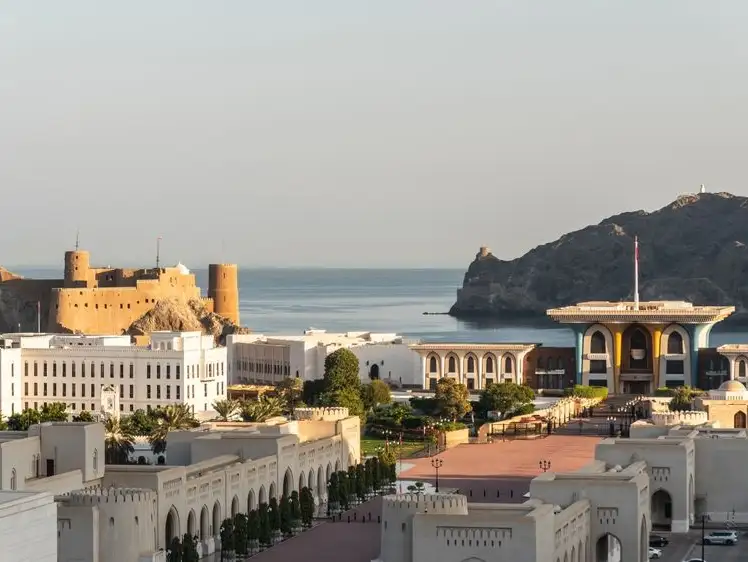
Begin in Muscat with its coastline, traditional souqs, mosques, and easy access to wadis and the Hajar Mountains.
Continue by air to Salalah, where the landscape changes dramatically. During Khareef, the Dhofar region becomes green and misty, while the drier months provide better conditions for a traditional beach holiday.
Finish in Abu Dhabi for museums, restaurants, beaches, and attractions on Yas Island.
This itinerary works particularly well for travelers looking for nature and relaxation rather than a schedule dominated by sightseeing.
Suggested plan: Muscat 3 nights → Salalah 3 nights → Abu Dhabi 2–3 nights.
Jeddah, AlUla and Cairo: The Red Sea and Ancient History
Recommended length: 8–12 days
Start beside the Red Sea in Jeddah, combining the waterfront with the historic streets and traditional architecture of Al Balad.
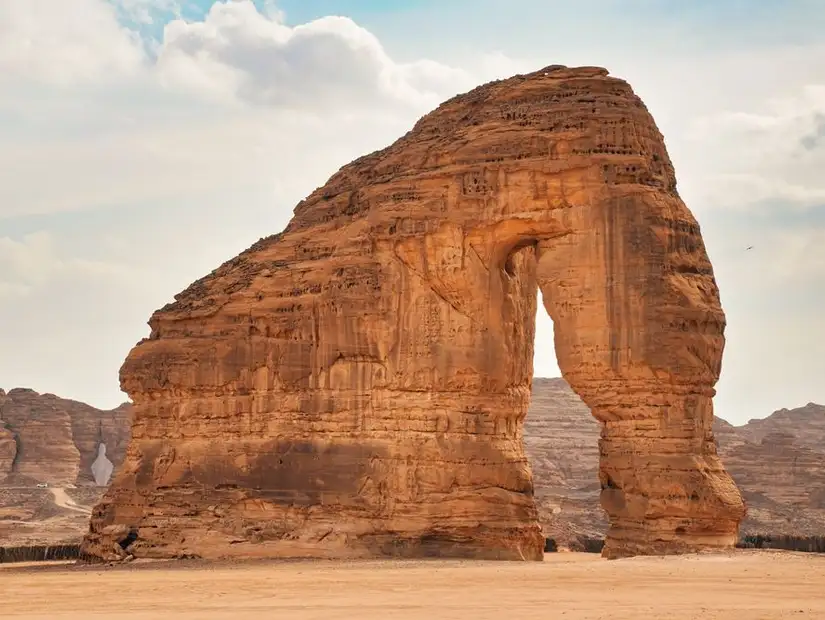
Continue to AlUla for desert landscapes, ancient Hegra, Elephant Rock, and Ashar Valley. Two or three nights allow enough time to explore without rushing.
The final stop is Cairo, adding another completely different chapter of regional history through ancient Egyptian landmarks and the capital’s cultural districts.
Suggested plan: Jeddah 2–3 nights → AlUla 2–3 nights → Cairo 3–4 nights.
Muscat, Doha and Dubai: An Easy Gulf City Hop
Recommended length: 7–9 days
Travelers looking for simpler logistics can keep the entire itinerary within the Gulf.
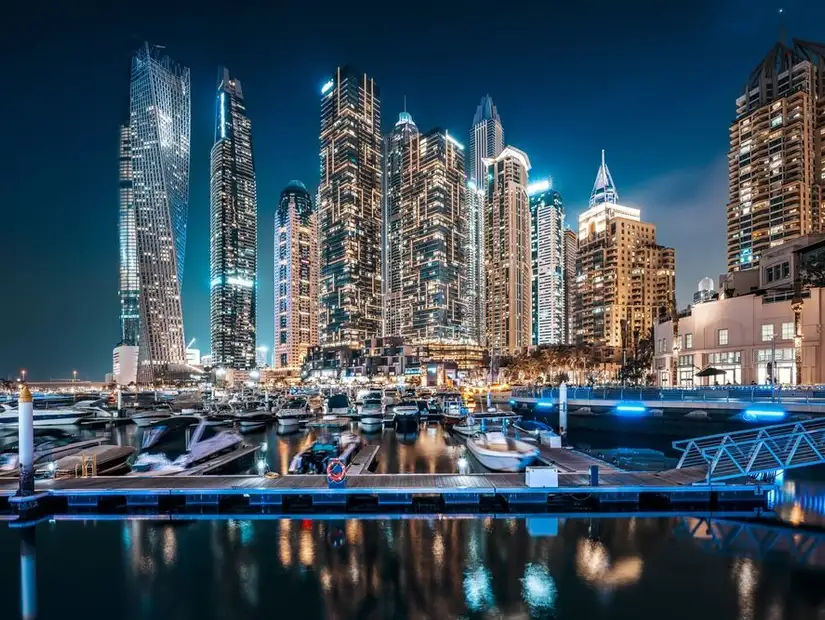
Begin in Muscat for a slower coastal atmosphere and Omani heritage, continue to Doha for museums, Souq Waqif, and the waterfront, and finish in Dubai for shopping, dining, beaches, and entertainment.
The short regional flight sectors make this combination particularly suitable for first-time multi-city travelers.
Suggested plan: Muscat 3 nights → Doha 2 nights → Dubai 3 nights.
How to Book Flights for a Multi-City Holiday
Flight planning is where a good multi-city itinerary can either become easier or unnecessarily complicated.
Compare Multi-City and One-Way Tickets
Do not automatically assume that several individual one-way tickets will offer the best price.
Compare:
- A multi-city itinerary on one booking
- Separate one-way flights
- A return ticket combined with a regional flight
- An open-jaw ticket where you fly into one city and return home from another
For example, flying Dubai → Cairo, traveling onward through the region, and then returning Amman → Dubai may prevent unnecessary backtracking.
Be Careful With Separate Tickets
Separate tickets can offer attractive prices, but they also come with additional risk.
If one airline delays your first flight and you miss a separately booked second flight, the second airline may not be responsible for rebooking you.
For self-connections, leave significantly more time between flights than you would on a protected connecting itinerary, or consider staying overnight.
Check Which Airport You Are Using
Some cities have multiple airports or airlines operating from different terminals. Always check airport codes as well as city names when comparing flights.
Plan Visas Before Booking the Route
Visa requirements become more important when a trip includes several countries.
Entry rules can depend on:
- Passport nationality
- Country of residence
- Residence permit validity
- Passport validity
- Length and purpose of stay
- Previous or existing visas
Do not assume that holding GCC residency gives the same entry privileges in every MENA country. Before purchasing non-refundable flights, check the official immigration or embassy requirements for every country in the itinerary, including any transit requirements.
Keep Baggage Rules in Mind
Mixing airlines can also mean mixing baggage allowances. A full-service airline might include checked baggage in the ticket price, while a low-cost carrier may charge separately. Cabin bag dimensions and weight limits can also differ between airlines. If the trip includes several short flights, packing lighter can save both money and time. Regional airline networks also change, so always check current options rather than relying on older itineraries.
How Many Cities Should You Visit?
The temptation with a multi-city holiday is to add one more destination simply because it looks close on a map.
As a general rule:
- 7 days: 2 destinations
- 10 days: 2–3 destinations
- 14 days: 3–4 destinations
Consider not only the flight duration but also packing, hotel check-out, airport transfers, immigration, baggage collection, and travel to your next accommodation. A one-hour flight can still consume half a day.
Practical Tips for a Multi-City MENA Trip
- Choose a logical route: Avoid flying backward across the region when another sequence reduces travel time.
- Stay at least two or three nights: One-night stops usually create more airport time than meaningful exploration.
- Check seasonal differences: Cairo, Dubai, Salalah, and AlUla can have very different ideal travel periods.
- Download offline maps: Useful when moving between several countries and mobile networks.
- Consider an eSIM or regional data plan: This can make changing countries easier.
- Carry more than one payment method: Cards are widely accepted in major cities, but cash remains useful in markets and smaller businesses.
- Keep travel documents together: Save digital copies of flight confirmations, visas, insurance, and hotel bookings.
- Allow flexibility: Avoid scheduling a major attraction immediately after an international arrival.
Frequently Asked Questions
- How many cities should I include in a 10-day MENA holiday? Two or three destinations usually provide the best balance between variety and actual time to explore.
- Is it cheaper to book a multi-city ticket or separate flights? It depends on the route and airlines. Compare both options, but remember that separate tickets may offer less protection if a delay causes a missed connection.
- What are the easiest cities to combine in the Gulf? Dubai, Abu Dhabi, Muscat, Doha, Riyadh, Jeddah, and Bahrain all have strong regional flight connections, although the best combination depends on your travel dates.
- Do I need separate visas for every MENA country? Usually, each country applies its own immigration rules. Eligibility depends largely on your passport and, in some cases, residency status.
- What is the best time for a multi-country MENA trip? October to April works well for many destinations because of milder weather, although places such as Salalah and the Saudi highlands have different seasonal highlights.
From ancient cities and desert landscapes to beaches and modern Gulf capitals, a multi-city MENA holiday allows you to experience several sides of the region in one journey. The key is not adding as many cities as possible, but choosing destinations that connect naturally and leaving enough time to enjoy each one.
Start with the places you most want to experience, build the most efficient route between them, and compare your flight options before finalizing the itinerary. Ready to start planning? Compare flights between destinations across the Middle East and North Africa and find great fares for your multi-city journey with WINGIE.
You may also like:
- Top 10 Scenic Road Trips in the MENA Region
- Top 10 Cultural City Breaks in the MENA Region
- Top 10 Nature Escapes in the MENA Region
- Top 10 Ancient Wonders in the MENA Region
- Top Museums for Children in the MENA Region
- An Ultimate Guide to Henna Art in the MENA Region
- Top Spots for Urban Night Photography in the MENA Region
- Top Green Hotels and Resorts in the MENA Region for Eco-Friendly Stays
- Top Libraries in the MENA Region
- Top Spice Souqs in the MENA Region
- The Most Famous Castles in the MENA Region
- The Most Beautiful Natural Wonders in the MENA Region
- Top Camping Destinations in the MENA Region
- Top 10 Family-Friendly Destinations
- Top Oases in the MENA Region
- Top Destinations for the Eid Holiday in the MENA Region
- Top Archaeological Destinations in the MENA Region
- Top Diving Destination in the MENA Region
- Top Desert Safari Destinations in the MENA Region
- Top 10 Island Escapes in the MENA Region

