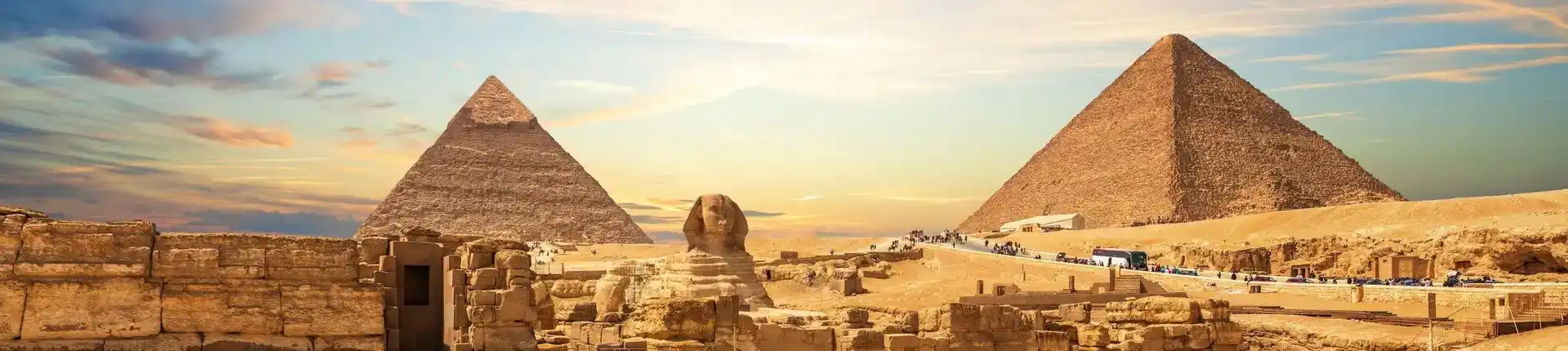
Top Archaeological Destinations in the MENA Region


In the heart of the MENA Region, great civilizations intersect, leaving their mark on the course of human history, from the oldest inhabited cities to some of the greatest empires that ruled the ancient world. Here, travel is not limited to sightseeing. It becomes a journey through time that takes you back thousands of years, where you stand face to face with enduring wonders that still captivate scientists and historians today.
In this article, we take you on a tour of exceptional archaeological Arab destinations that combine the grandeur of history with the beauty of well-preserved sites. This guide is ideal for archaeology lovers, those interested in ancient civilizations, and travelers who want to explore the roots of history from its original lands.
Egypt
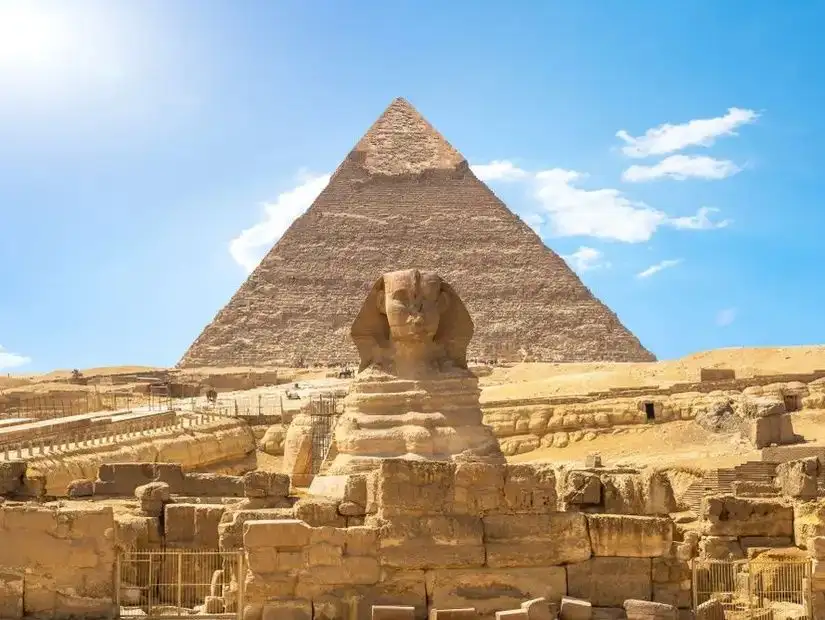
Our journey begins at the Giza Pyramids, one of the Seven Wonders of the Ancient World. Imagine standing before the Great Pyramid of Khufu, a monument weighing six million tons and made of 2.3 million stones, built 4,500 years ago without modern machinery. Understanding the immense logistics, specialized engineering, and sheer human effort behind its construction continues to fascinate modern researchers.
Jordan
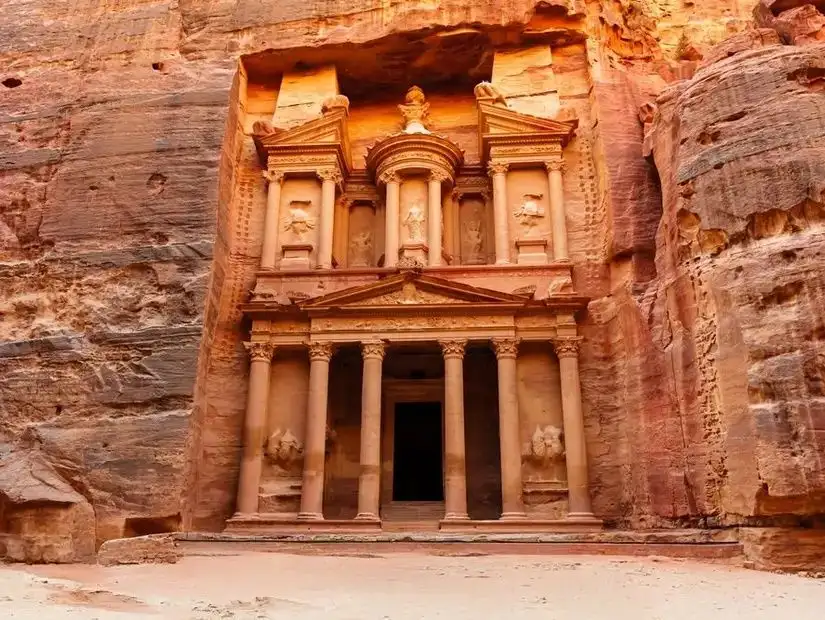
From Egypt, we fly to Petra, the capital of the Nabataeans, carved into rose-colored rock. Imagine walking through the narrow Siq for 1.2 kilometers, with towering rock walls surrounding you on both sides. Then, suddenly, Al Khazneh appears before you with its magnificent façade carved into the mountain. It is a moment you will never forget.
Just one hour away, Jerash awaits you, one of the best-preserved Roman cities outside Italy. Walk along the same paved streets once used by Roman soldiers, and listen to the echo of your footsteps in the Roman theater, which seats 3,000 spectators.
Lebanon
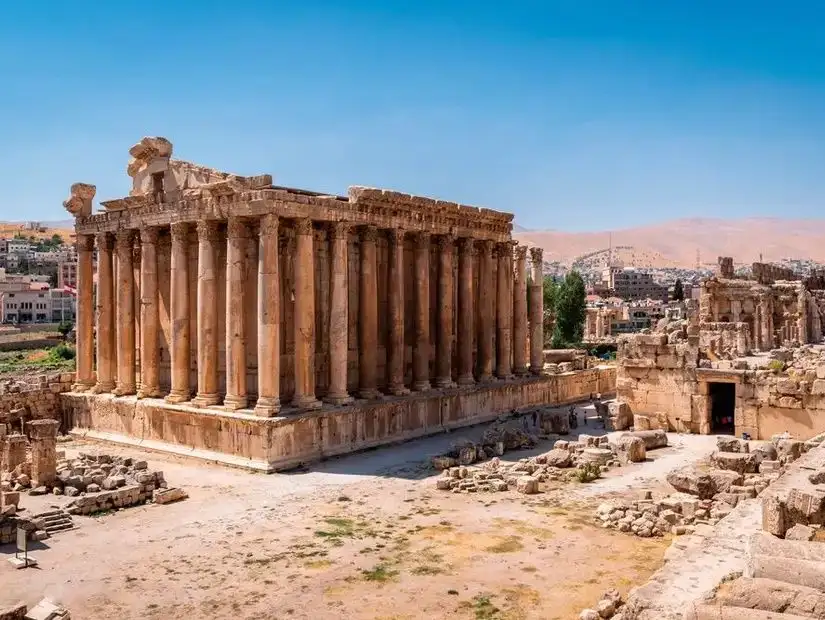
We now fly to Lebanon, where Baalbek is home to some of the largest Roman temples in the world. The Temple of Bacchus alone is larger than the Parthenon in Athens. The six remaining columns of the Temple of Jupiter rise 22 meters high, with each column weighing 60 tons. How they were quarried and transported remains a testament to ancient architectural genius.
On the coast, Byblos, also known as Jbeil, awaits you. It is one of the oldest continuously inhabited cities in the world according to UNESCO. This is where the Phoenicians developed the alphabet that influenced the writing systems we use today. Stroll through the old souk, and sit at a café overlooking the Phoenician harbor that witnessed the departure of thousands of ships over thousands of years.
Saudi Arabia
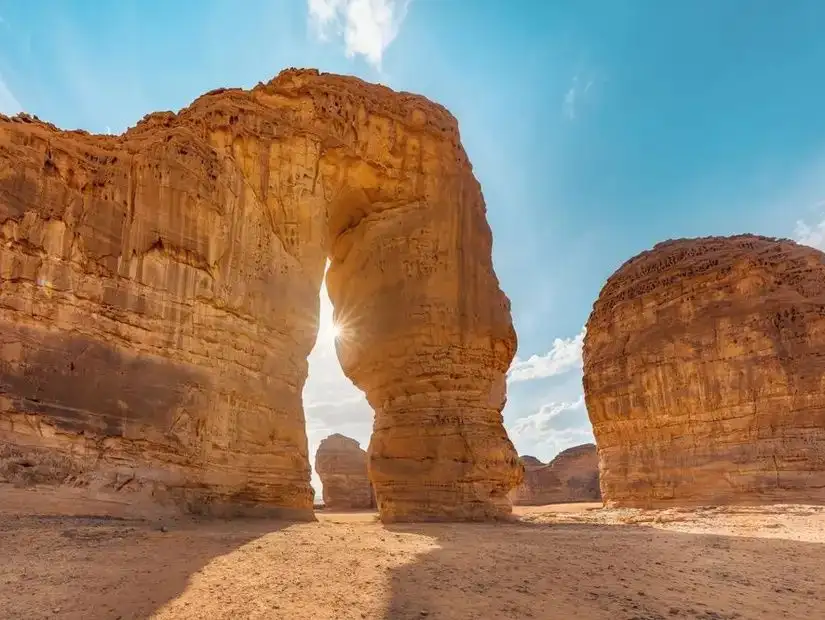
Did you know Saudi Arabia is home to Hegra, the spectacular southern capital of the Nabataean Kingdom? Often called the twin to Jordan's Petra, this UNESCO World Heritage site features 131 massive rock-cut tombs carved with remarkable precision across the landscape of AlUla.
In 2024, AlUla received accreditation from the international organization for tourist destinations as the first destination in the Middle East to earn this recognition, and it is witnessing major tourism development. Two sites in AlUla also received Dark Sky Park accreditation, becoming the first sites of their kind in the Kingdom and the Gulf region.
What is new in AlUla in 2026? The Winter at Tantora Festival continues until January 2026 with international concerts, while the AlUla Arts Festival runs from 16 January to 22 February. The experience is now more complete, with luxury hotels, international restaurants, and professionally organized tours.
Tunisia
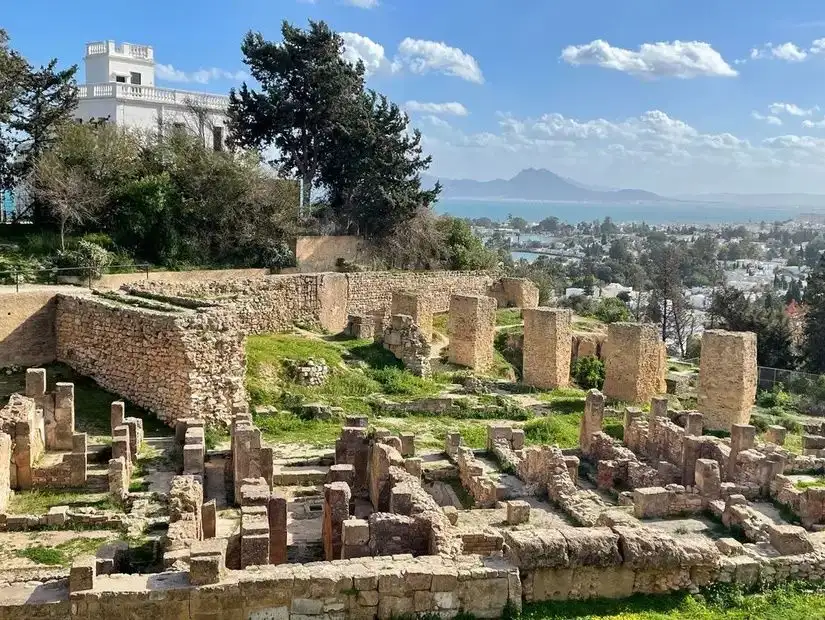
We cross to Tunisia, where Carthage awaits, the city that famously challenged Rome under the leadership of Hannibal. Visit the massive Baths of Antoninus, once the third-largest baths in the Roman Empire, and explore the ancient Punic harbor where Carthage’s historic fleets once stood.
Two hours away by car, the Amphitheatre of El Jem awaits you. It is widely considered the third-largest Roman amphitheater in the world after the Colosseum and Capua. With a capacity of 35,000 spectators, it remains remarkably well preserved. Imagine the roar of the crowds during gladiator battles.
Iraq
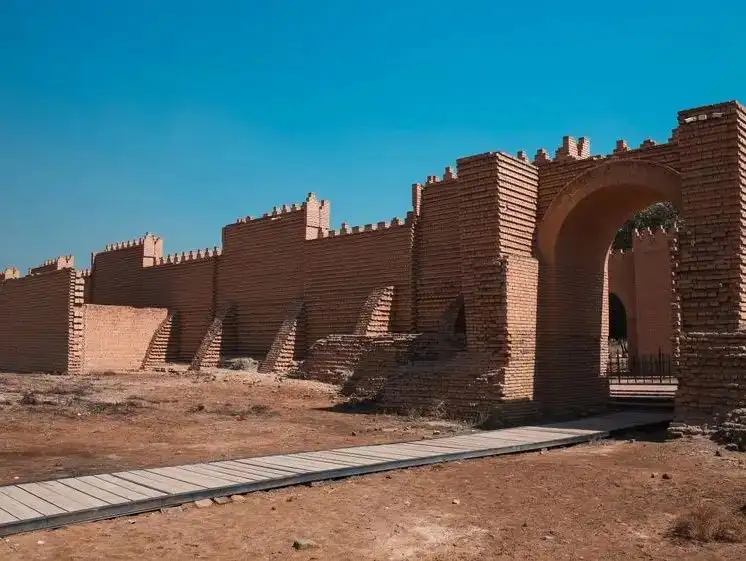
Our journey takes us to Mesopotamia, where Babylon stands. This is the legendary city famed for the Hanging Gardens of Babylon, one of the Wonders of the Ancient World. Walk past the grand, reconstructed entryway of the famous Ishtar Gate, decorated with molded bulls and dragons, and walk along the historic 250-meter-long Processional Way.
Further south, Ur awaits you, the city associated with Prophet Abraham, peace be upon him, and home to the Ziggurat of Ur, built in 2100 BC. This city was one of the greatest centers of Sumer, where cuneiform writing flourished and the world's oldest surviving legal code, the Code of Ur-Nammu, was written.
Algeria
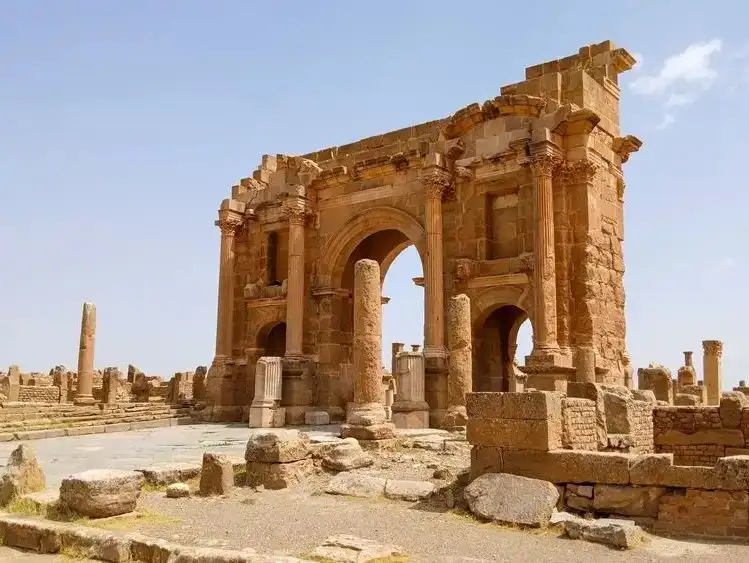
From Tunisia, we head west to Algeria, where Timgad, known by historians as the “Pompeii of Africa,” awaits. This Roman city, founded by Emperor Trajan in 100 AD, is one of the best-preserved examples of Roman military urban planning in the world.
Imagine an ideal city built from scratch according to the Roman grid system, where streets intersect at perfect right angles. The famous Arch of Trajan, standing 12 meters high, still rises proudly, and the Roman theater, with a capacity of 3,500 spectators, still hosts music concerts today.
Morocco
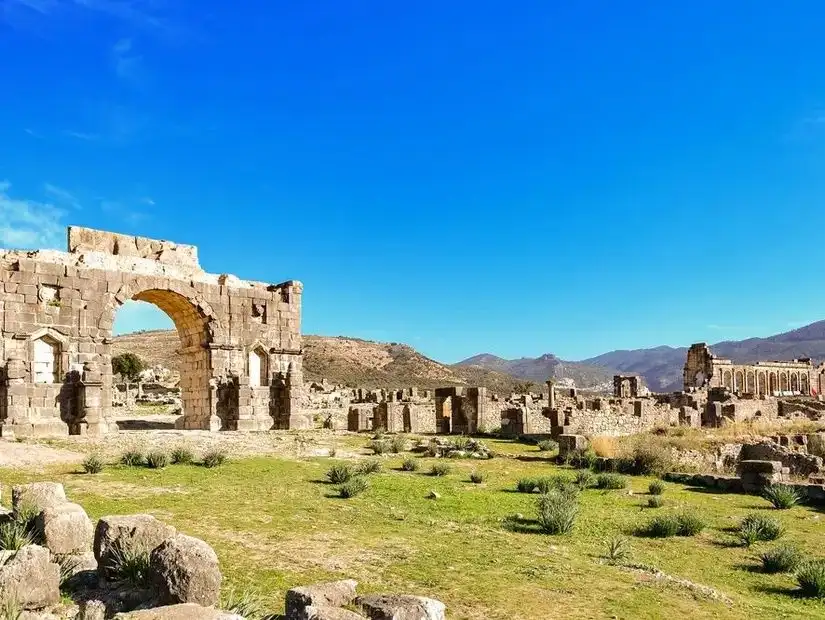
We conclude our journey in Morocco, where Volubilis stands as one of the best-preserved Roman sites in North Africa. The Roman mosaics here are in remarkable condition, with colorful stone artwork telling the stories of ancient heroes.
In the heart of Morocco, Fes, or the old medina of Fes el Bali, is the largest car-free urban area in the world. Step into a maze of 9,400 alleyways, visit Al Quaraouiyine University, the oldest continuously operating university in the world since 859 AD, and see the traditional tanneries where leather is still processed using methods passed down for centuries.
Throughout this journey across Arab cities, temples, and archaeological sites, history comes alive in every stone, inscription, and ancient passageway. From the Giza Pyramids to Baalbek, and from Babylon to Fes, these destinations reveal a unique civilizational depth that has made the Arab world the birthplace of some of humanity’s greatest stories.
Visiting these sites is not just tourism. It is an educational and cultural experience that reconnects us with our roots and gives us a deeper understanding of the human journey through the ages. For history and archaeology lovers, these Arab destinations remain open treasures waiting to be discovered and preserved for future generations. Book your flight now on WINGIE and enjoy exclusive prices, with special offers that make your holiday more comfortable and easier.
You may also like:
- The Most Famous Castles in the MENA Region
- The Most Beautiful Natural Wonders in the MENA Region
- Top Attractions in Qatar
- Top 10 Family-Friendly Destinations
- Top 30 Tourist Attractions in Istanbul
- Top Amusement Parks in Lebanon
- Top Attractions in Jordan
- Top 10 Restaurants in Cairo
- A Fun-Filled Guide to Cairo's Top Amusement Parks
- A Comprehensive Guide to Arabella Plaza Mall in Cairo
- Top Attractions in Marsa Alam
- Top Activities at El Mamurah Beach in Alexandria
- Guide to Pharaonic Village in Giza
- Top Attractions in Egypt
- Top Oases in the MENA Region
- Top Destinations for the Eid Holiday in the MENA Region

