
Top Museums for Children in the MENA Region


A family museum day does not have to mean whispered conversations, “do not touch” signs, and children asking, “Can we leave yet?” Across the Middle East, a new generation of museums is changing how families experience culture, science, history, and sport. Instead of simply displaying objects behind glass, many spaces encourage children to touch, build, experiment, move, and explore.
From interactive children’s museums in Dubai and Doha to immersive cultural experiences in Riyadh, the region offers plenty of options for families looking for activities that keep younger travelers engaged.
Dubai: Interactive Museums Where Kids Can Explore, Not Just Observe
Dubai has become one of the Middle East’s strongest destinations for family-friendly attractions. Alongside theme parks and outdoor experiences, the city has invested in museums designed around curiosity and participation.
OliOli Dubai: A Hands-On Museum Built Around Play
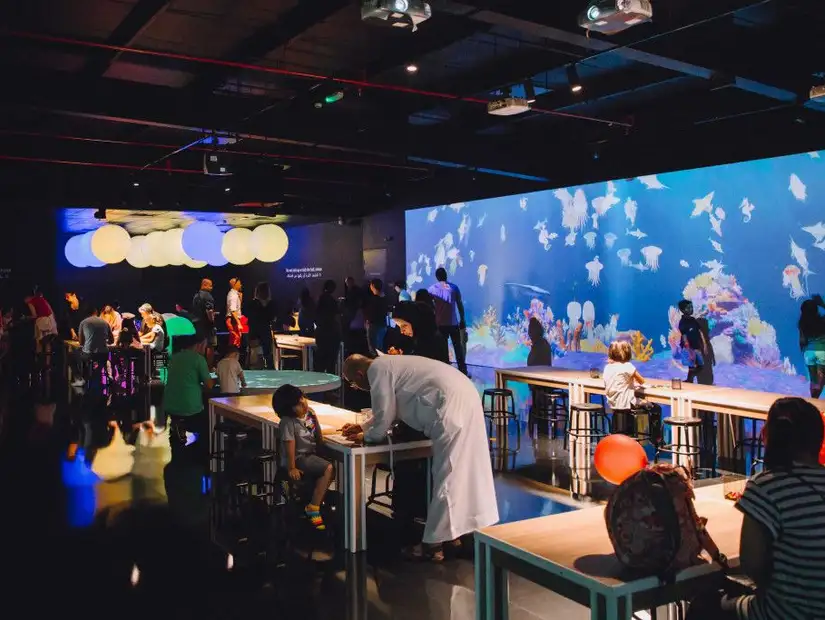
For younger children, OliOli offers a completely different museum experience. Rather than traditional exhibitions, the space focuses on interactive play where children learn through movement, creativity, and experimentation. Kids can explore galleries dedicated to areas such as water, movement, construction, and imagination.
The biggest advantage for families is that children are not expected to stay quiet and simply observe. They are encouraged to participate. This attraction is ideal for children aged approximately 1 to 11. With hands-on activities, creative problem-solving opportunities, physical play areas, and science-inspired experiences, it gives kids plenty of ways to learn, explore, and have fun.
The Museum of Illusions takes a different approach by turning perception into entertainment. Children can explore optical illusions, unusual rooms, and visual tricks that challenge how they understand space and movement.It is especially popular with families because the experience is naturally interactive and photo-friendly. Kids can become part of the exhibits rather than simply looking at them. This attraction is a great choice for school-age children and teenagers. Families enjoy it for its short, attention-friendly exhibits, fun photo opportunities, and easy exploration pace, making it a simple and enjoyable stop during the day. Riyadh offers a different type of family museum experience, combining storytelling, heritage, and interactive learning. The Saudi National Museum introduces children to the history, geography, and culture of the Arabian Peninsula through large-scale exhibitions and multimedia displays. Instead of presenting history as a list of dates, the museum creates a journey through different periods, from ancient civilizations to the formation of modern Saudi Arabia. This museum offers families the chance to discover archaeological finds, traditional lifestyles, the geography of the Arabian Peninsula, and historical objects presented through engaging storytelling displays. Younger visitors can also enjoy child-friendly features, including interactive sections and educational activities that make the exhibits easier to understand. It is best suited for children aged around 6 and above, particularly those who are ready to engage with history and storytelling. Doha has become one of the Gulf’s strongest destinations for educational family attractions. Many of its museums combine learning with physical activity, making them ideal for energetic children. OliOli Doha is designed specifically around interactive discovery. The museum includes six themed galleries and more than 40 hands-on activities where children can experiment, create, and explore. Activities focus on areas such as movement, creativity, science, and problem solving. The goal is not simply entertainment, but encouraging children to learn through experience. This attraction is ideal for children aged approximately 1 to 11. Parents especially appreciate the indoor setting during hot weather, the active play opportunities, and the way it combines learning with fun without making the experience feel like a classroom. For children who struggle with traditional museums, a sports museum can be a perfect alternative. The 3-2-1 Qatar Olympic and Sports Museum combines sports history with interactive experiences. Visitors can explore athletic achievements, Olympic stories, and physical challenges through digital simulations and activity zones. This is a great option for school-age children and teenagers. With movement-based activities, sports challenges, interactive technology, and stories connected to famous athletes, it offers an energetic and engaging experience for young visitors.Museum of Illusions Dubai: A Museum Made for Curious Minds

Riyadh: History Comes Alive at the Saudi National Museum
Saudi National Museum: A Journey Through Arabia’s Story
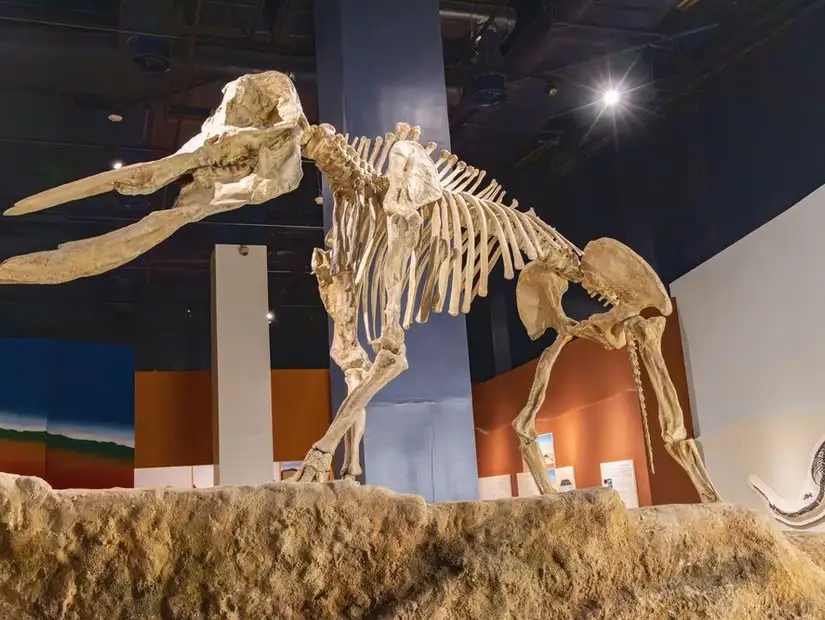
Doha: Museums That Let Kids Move, Build, and Experiment
OliOli Doha Children's Museum: Learning Through Play

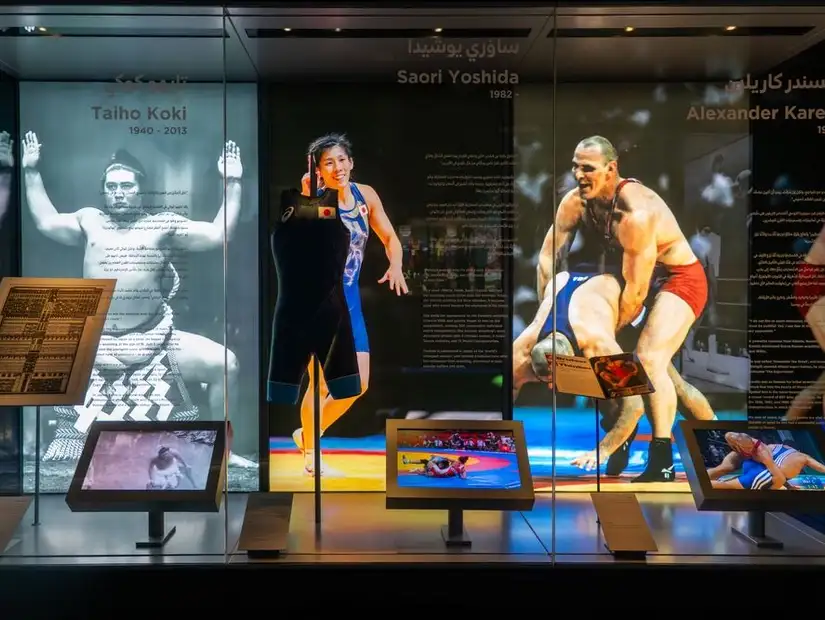
3-2-1 Qatar Olympic and Sports Museum: A Museum Where Kids Can Test Their Skills
Parent Survival Guide: Making Museum Days Easier
A great family museum visit is not only about choosing the right attraction. Timing, preparation, and comfort can make a huge difference.
- Visit earlier in the day: For the best experience, try to visit on weekday mornings when possible. It is better to avoid peak weekend afternoons and check school holiday periods before planning, as interactive museums can become crowded when children spend longer at hands-on exhibits.
- Book tickets before arriving: Popular family attractions often use timed entry systems, so booking ahead can help you secure your preferred time, avoid waiting with tired children, and plan meals and transportation more easily.
- Check stroller access: Before visiting, look for information about stroller access. Large modern museums usually provide accessible entrances and spacious pathways, making the visit easier for families with young children.
- Check restroom facilities: Family-friendly museums typically include convenient restroom facilities, but it is still worth checking their locations when you arrive.
- Review food options: Museums with cafes or nearby restaurants can make longer visits much easier, especially when visiting with children.
- Pack for comfort: For a smoother museum day, bring water bottles, small snacks if allowed, comfortable shoes, a light jacket for air-conditioned interiors, and a portable charger for family photos and navigation.
The best family museums are not the ones where children simply behave quietly. They are the ones where curiosity takes over. Across Dubai, Riyadh, and Doha, museums are becoming places where children can experiment, move, imagine, and connect with new cultures.
Whether your child wants to build, compete, discover history, or simply have fun indoors, the Middle East offers family attractions that go far beyond traditional exhibitions. Planning a family trip across the Gulf is easier with WINGIE, where parents can compare flight options and organize multi-city journeys to destinations such as Dubai, Riyadh, and Doha.
You may also like:
- An Ultimate Guide to Henna Art in the MENA Region
- Top Spots for Urban Night Photography in the MENA Region
- Top Green Hotels and Resorts in the MENA Region for Eco-Friendly Stays
- Top Libraries in the MENA Region
- Top Spice Souqs in the MENA Region
- The Most Famous Castles in the MENA Region
- The Most Beautiful Natural Wonders in the MENA Region
- Top Camping Destinations in the MENA Region
- Best 15 Cities in Morocco to Visit
- Top 10 Family-Friendly Destinations
- Top Amusement Parks in Lebanon
- Top Attractions in Jordan
- Top 10 Restaurants in Cairo
- Top Oases in the MENA Region
- Top Destinations for the Eid Holiday in the MENA Region
- Top Archaeological Destinations in the MENA Region
- Top Diving Destination in the MENA Region
- Top Desert Safari Destinations in the MENA Region

