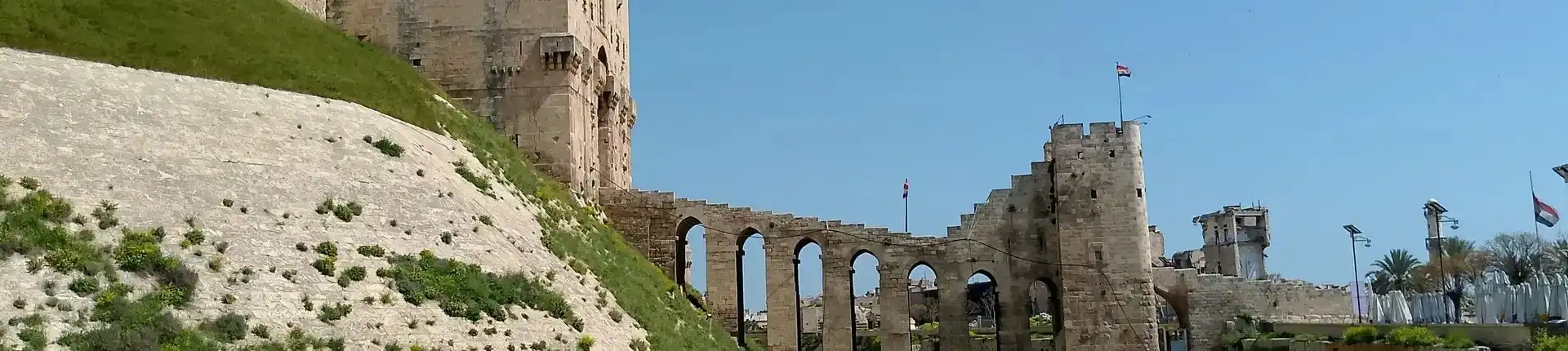
The Most Famous Castles in the MENA Region


Behind every solid wall and towering ruin in the MENA region, stories of power, courage, and architectural ingenuity await. Castles in the MENA region are far more than silent stone structures, they are living witnesses to civilizations that shaped the course of history. Each stone tells a story waiting to be discovered, from the strategies of ancient rulers to the daily lives of those who lived within these walls. These castles invite you to step beyond the present and immerse yourself in the past, where defensive genius meets aesthetic brilliance. In this article, we explore some of the most iconic Arab fortresses that continue to stand proudly, connecting visitors with centuries of history, culture, and adventure.
Citadel of Aleppo in Syria
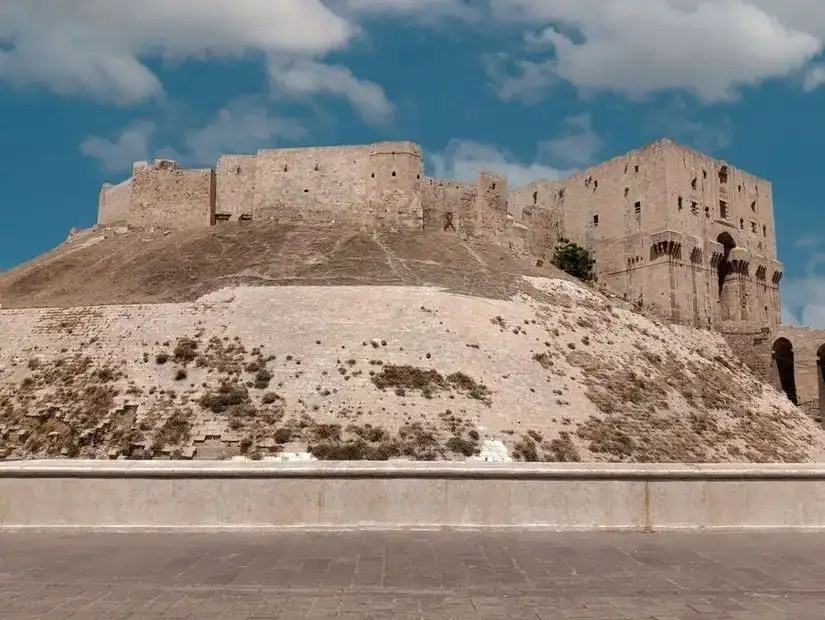
Perched majestically atop the ancient city of Aleppo, the Citadel of Aleppo is one of the oldest and largest citadels in the world, with layers of history stretching back thousands of years. Its current structures mainly reflect medieval construction, particularly from the Ayyubid period, with later Mamluk modifications.
Walking through the citadel’s enormous gates, crossing its fortified bridges, and exploring its elevated courtyards provides a glimpse into a living monument of resilience. The citadel has been shaped by successive empires, leaving their marks in mosques, halls, and towers. While parts of it suffered damage during recent conflicts, ongoing restoration efforts have preserved its grandeur. Visitors can enjoy sweeping panoramic views of Aleppo’s old souks and neighborhoods, imagining the city’s bustling life centuries ago. Every stone resonates with the stories of those who defended and lived within these walls, offering a tangible connection to the rich tapestry of Syrian history.
Saladin Citadel (Cairo Citadel) in Egypt
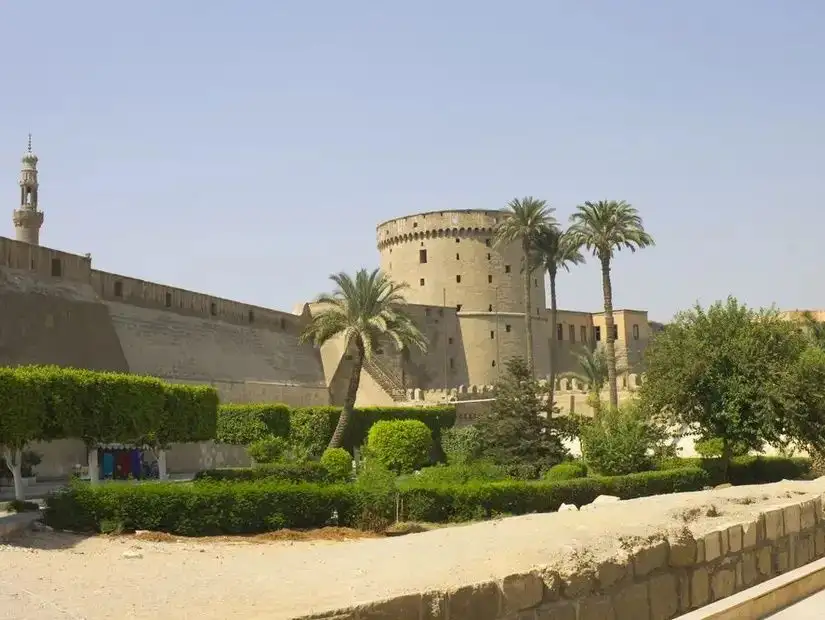
The Cairo Citadel, known as the Saladin Citadel, stands atop the Muqattam Hills, overseeing the sprawling city of Cairo. Initiated by Saladin in 1176 AD, construction extended through the reigns of his successors, including Sultan al-Kamil, who completed significant works around 1207 AD. The castle was built to protect Cairo from Crusader attacks and to assert the Ayyubid dynasty’s power.
The citadel offers both architectural marvels and historical treasures. Among its most famous structures is the Mosque of Muhammad Ali, a towering example of Ottoman architecture that dominates the Cairo skyline. Visitors can explore Mamluk and Ottoman-era buildings, the Police Museum, and the historic Well of Joseph, which adds to the citadel’s historical richness. Its elevated position provides spectacular views of Cairo’s minarets, streets, and neighborhoods. The Cairo Citadel demonstrates strategic military engineering, blending massive stone walls, fortified towers, and intricate interior design, and remains one of the most significant cultural landmarks in Egypt.
Bahrain Fort in Bahrain
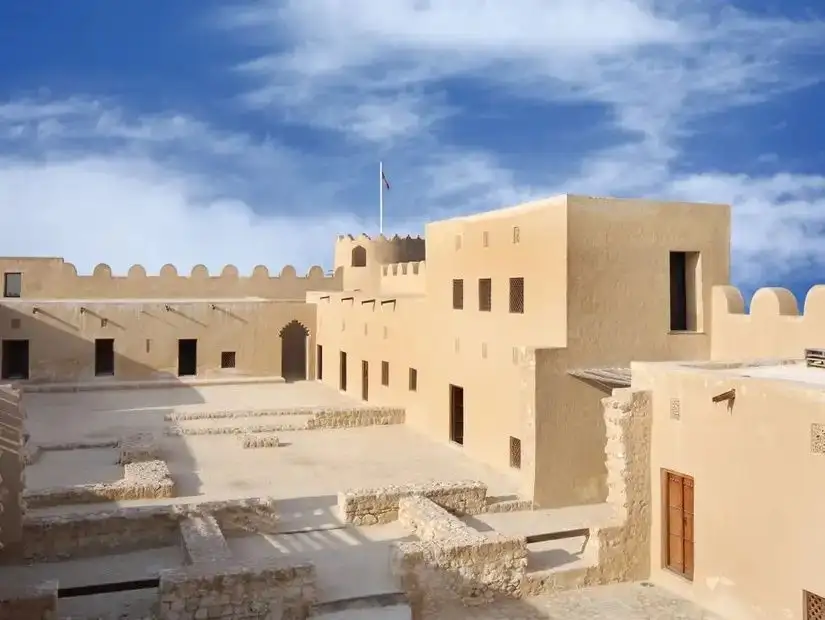
In the heart of the Arabian Gulf lies Bahrain Fort, also known as Qal’at al-Bahrain. This castle is built upon an artificial mound, with archaeological layers tracing human occupation back to 2300 BC, belonging to the ancient Dilmun civilization. Portuguese fortifications were added in later centuries, giving the site a unique combination of ancient and medieval architecture. Recognized as a UNESCO World Heritage Site since 2005, Bahrain Fort represents the crossroads of multiple civilizations and strategic importance in the Gulf region.
Visitors can climb the 12-meter-high mound, exploring remnants of Dilmun, Kassite, Greek, Portuguese, and Persian occupations. The fort’s design harmonizes with the surrounding waters, offering breathtaking views of the Gulf and illustrating the strategic thinking of its builders. Walking through the ruins, one can almost hear the echoes of past rulers, traders, and defenders who contributed to the region’s history. Bahrain Fort is a vivid illustration of how architecture preserves centuries of human endeavor and cultural interaction.
Al Masmak Fort in Riyadh, Saudi Arabia
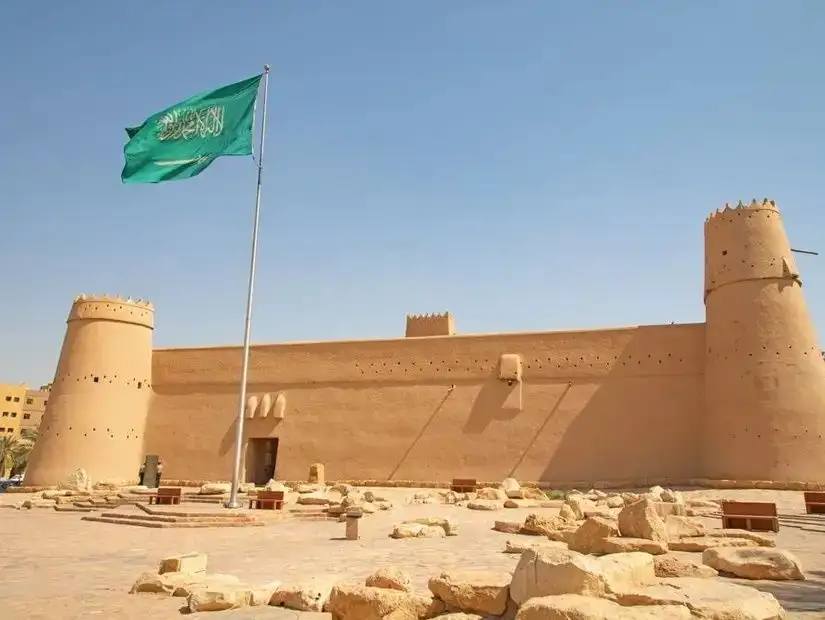
Al Masmak Fort is a central historical landmark in Riyadh, built in 1865 using traditional Najdi mudbrick techniques. The castle gained prominence during the 1902 Battle of Riyadh, when Ibn Saud reclaimed the city from Ottoman-aligned forces. Today, it serves as a museum celebrating the unification of Saudi Arabia.
The fort comprises 44 rooms, including a mosque, reception halls (majlis), and storage areas, all organized around a central courtyard. Its four cylindrical watchtowers, each standing 18 meters tall, provide sweeping views of the surrounding city. Artifacts related to the 1902 battle, including symbolic remnants tied to Prince Bin Jiluwi, are displayed, offering visitors insight into the pivotal events that shaped modern Saudi Arabia. Al Masmak Fort exemplifies Najdi architecture, blending defensive design with local materials, and provides a compelling story of resilience, leadership, and heritage.
Nizwa Fort in Oman
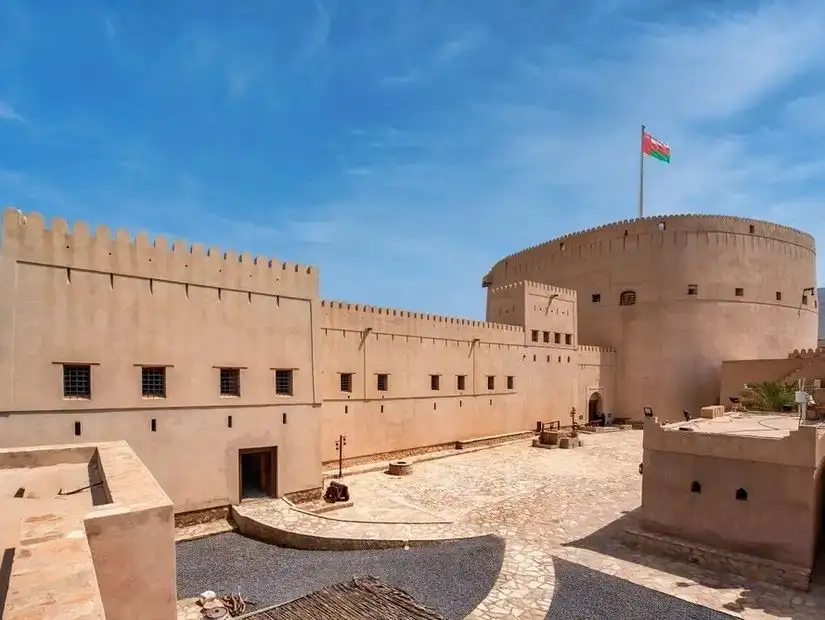
Constructed by Imam Sultan bin Saif Al Ya’rubi in the 17th century (1656–1668), Nizwa Fort is a masterpiece of Omani military architecture. Its massive circular tower is the largest in the country, offering commanding views of Nizwa and surrounding palm groves. The fort was designed for both defense and administration, incorporating clever features to manage water, ammunition, and personnel.
Visitors can explore the fort’s multiple levels, ascend the cannon platforms, and enjoy views over the lush oasis and the traditional souq. The fort’s location and design showcase Omani ingenuity in adapting architecture to climate and strategic requirements. Experiencing Nizwa Fort connects visitors to a legacy of innovation, trade, and cultural richness that continues to define Oman.
Ajloun Castle in Jordan
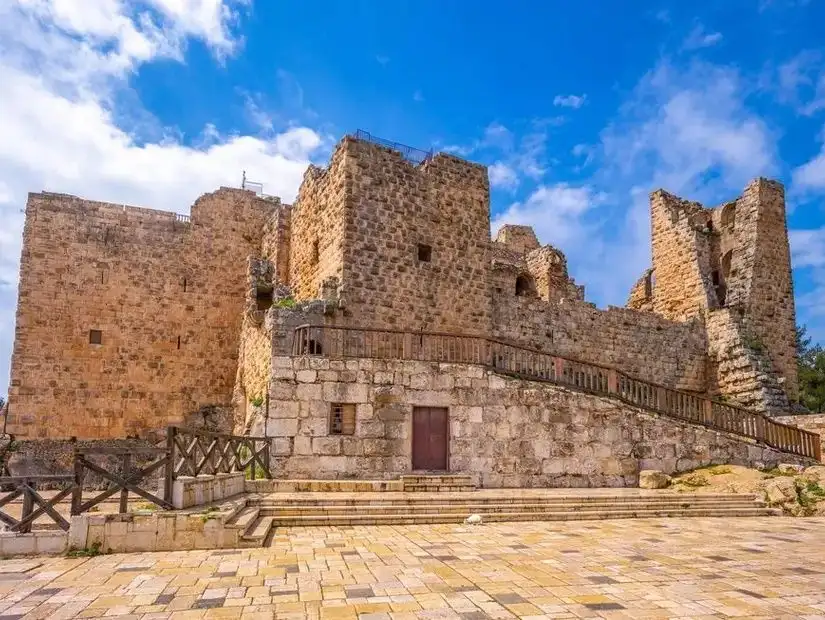
Ajloun Castle, perched on the peaks of Jabal Auf in northern Jordan, was built in the 12th century by the Ayyubid dynasty under the command of Usama ibn Munqidh. Its primary purpose was to protect trade routes and resist Crusader advances.
The castle’s stone walls, towers, and halls illustrate sophisticated medieval military engineering. From its vantage points, visitors can survey the Jordan Valley, understanding why this location was critical for defense. Ajloun Castle is a perfect example of how architecture can harmonize with terrain to create formidable fortifications. Walking in its corridors allows you to imagine the medieval conflicts and the lives of soldiers and administrators who once occupied these spaces. The castle is not only a historical monument but also an immersive environment for appreciating Jordan’s natural beauty and heritage.
Al Jahili Fort in Al Ain, UAE
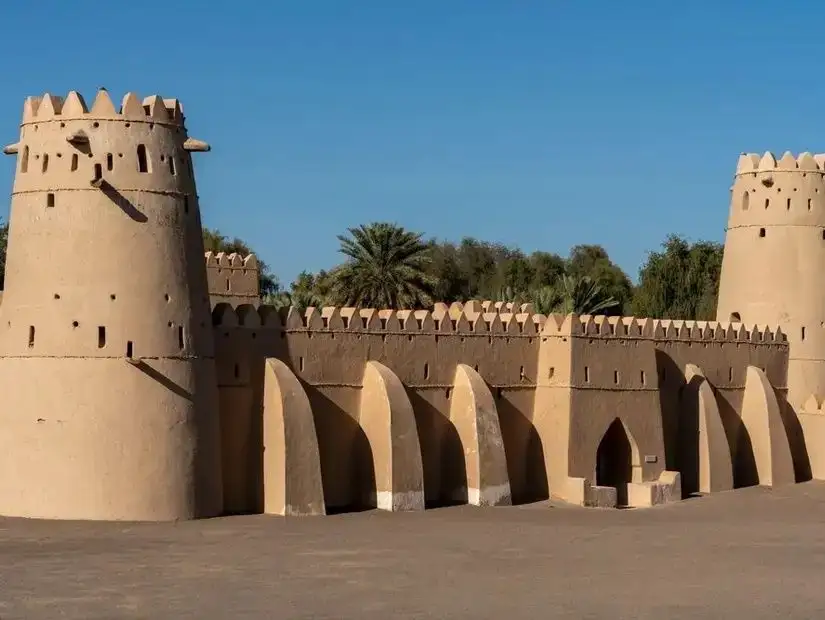
Built in 1891 under Sheikh Zayed I, Al Jahili Fort is one of the largest traditional mud-brick forts in the United Arab Emirates. Its restoration earned the TERRA Award for Mud Architecture in 2016. The fort combines practical defense with innovative features for its time, including water channels that help moderate internal temperatures.
Visitors can explore exhibitions dedicated to explorers like Wilfred Thesiger (Mubarak bin London) and enjoy the fort’s architecture, which contrasts beautifully with surrounding palm groves. Al Jahili Fort embodies centuries of Emirati ingenuity, adaptation to harsh climates, and dedication to preserving heritage. Its combination of historical significance and aesthetic appeal makes it a must-visit for cultural travelers exploring the UAE.
Visiting these Arab fortresses is more than just a sightseeing trip, it is a journey connecting you to the roots of some of the most enduring civilizations. Each castle tells a story of people who built, defended, and envisioned the future, leaving legacies that continue to inspire. From the ancient citadels of Syria and Bahrain to the desert strongholds of Saudi Arabia and the UAE, these structures allow you to step into history and experience the ingenuity, courage, and culture of the Arab world.
Every stone in these castles holds a tale of resilience, strategy, and craftsmanship. They are places where architecture, history, and landscape converge, offering unforgettable experiences for travelers who seek more than just photos, they invite you to touch, explore, and immerse yourself in the living history of the region.
Don’t let these stories remain words on a page, experience them firsthand. Book your flight now on WINGIE to visit these extraordinary historical sites and step into the gates of time, where centuries of history await your discovery.
You may also like:
- Top Attractions in Qatar
- Top 10 Family-Friendly Destinations
- Top 30 Tourist Attractions in Istanbul
- Top Amusement Parks in Lebanon
- Top Attractions in Jordan
- Top 10 Restaurants in Cairo
- A Fun-Filled Guide to Cairo's Top Amusement Parks
- Citystars Cairo: A Comprehensive Guide to the Ultimate Shopping and Entertainment Experience
- A Comprehensive Guide to Arabella Plaza Mall in Cairo
- Top Attractions in Marsa Alam
- Top Activities at El Mamurah Beach in Alexandria
- Guide to Pharaonic Village in Giza
- Top Attractions in Egypt
- Top Oases in the MENA Region
- Top Honeymoon Destinations in the MENA Region

