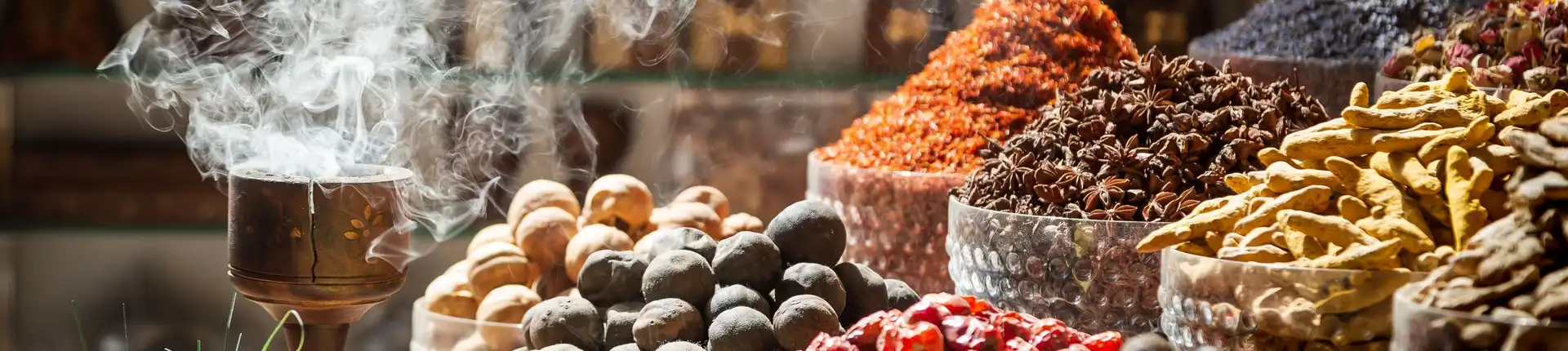
Top Spice Souqs in the MENA Region


In the heart of the MENA region, souqs are more than places to shop. They are living cultural spaces where trade, tradition, scent and storytelling come together. From Ottoman covered markets to Gulf heritage bazaars and North African spice squares, these destinations invite travelers to experience each city through its aromas, colors and local rhythms.
In this article, we take you on a tour of some of the most atmospheric spice souqs across the MENA region. This guide is ideal for travelers who love authentic markets, local flavors, traditional crafts and cultural experiences that go beyond ordinary sightseeing.
Istanbul, Türkiye
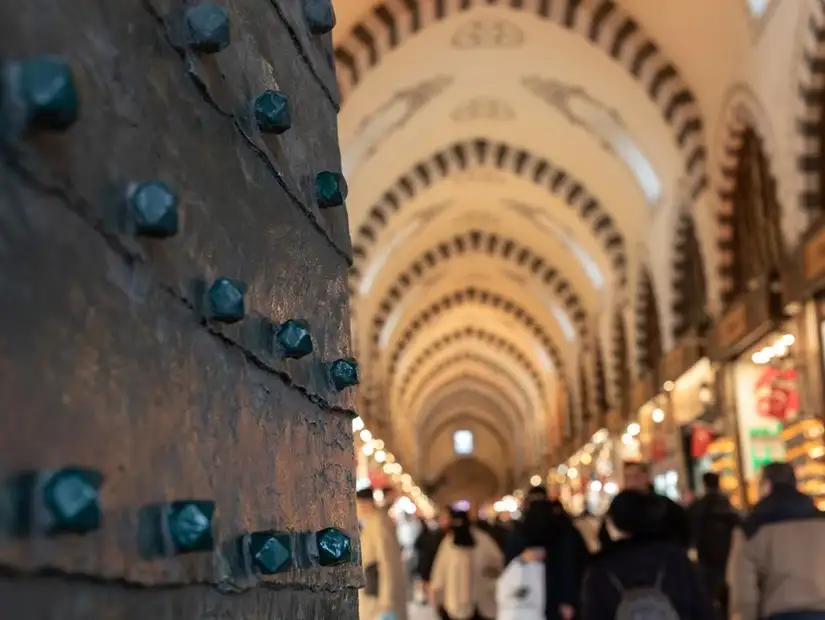
Our journey begins in Istanbul at The Spice Bazaar, also known as Mısır Çarşısı. Set inside a historic 17th century Ottoman covered market, this landmark forms part of the Yeni Cami complex and remains one of the city’s most sensory experiences.
Walk beneath its vaulted architecture and you will find polished displays of pul biber, isot, sumac, Turkish delight, dried fruits, herbal teas, Turkish coffee, saffron and colorful spice blends. The atmosphere is historic and lively, with a rhythm that still feels deeply connected to Istanbul’s trading past.
Although the Spice Bazaar is one of the top attractions in Istanbul, this magical city has countless other must-visit attractions and landmarks. Check out our Top 30 Tourist Attractions in Istanbul to explore it yourself.
Dubai, UAE
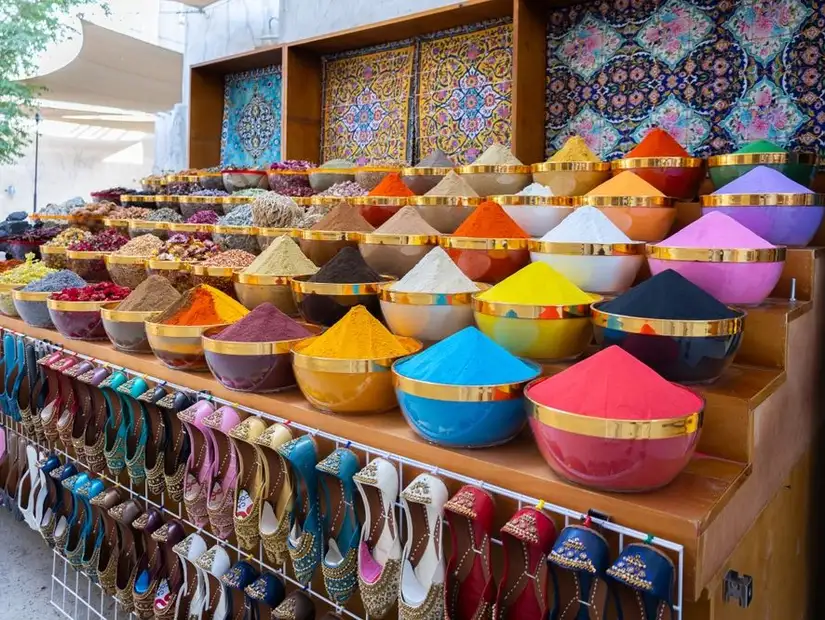
Dubai’s Deira Spice Souk is one of the most vivid corners of Old Dubai. Located near the Creek, this market reflects the city’s long role as a Gulf and Indian Ocean trading hub.
Here, sacks of spices line the narrow walkways, filling the air with the scent of saffron, cardamom, cinnamon, turmeric, dried rose petals, frankincense and oud. It is also a great place to look for loomi, Arabic coffee spices and traditional fragrances.
Muscat, Oman
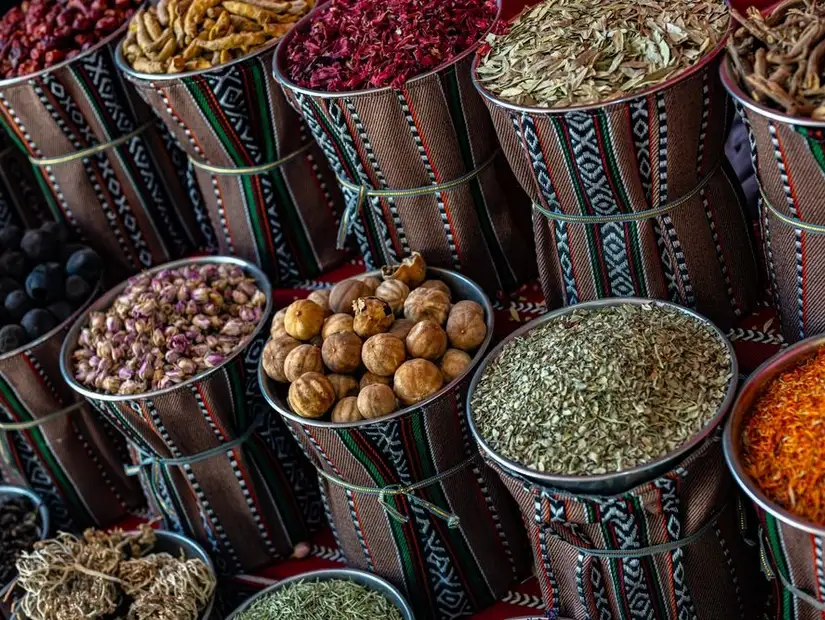
In Muscat the Mutrah Souq sits beside the harbor with narrow lanes, incense smoke and a deeply traditional character. Long tied to Oman’s port trade and incense routes, this souq gives travelers one of the region’s most atmospheric market experiences.
Look for Hojari frankincense, Omani rosewater, bukhoor, oud, cardamom, saffron, dried limes and silver jewelry. The maze-like alleys make every turn feel like a discovery.
Mutrah Souq is amazing, but Muscat is packed with so many more incredible sights! Dive into our guide of the Top Attractions in Muscat to start planning your adventure.
Nizwa, Oman
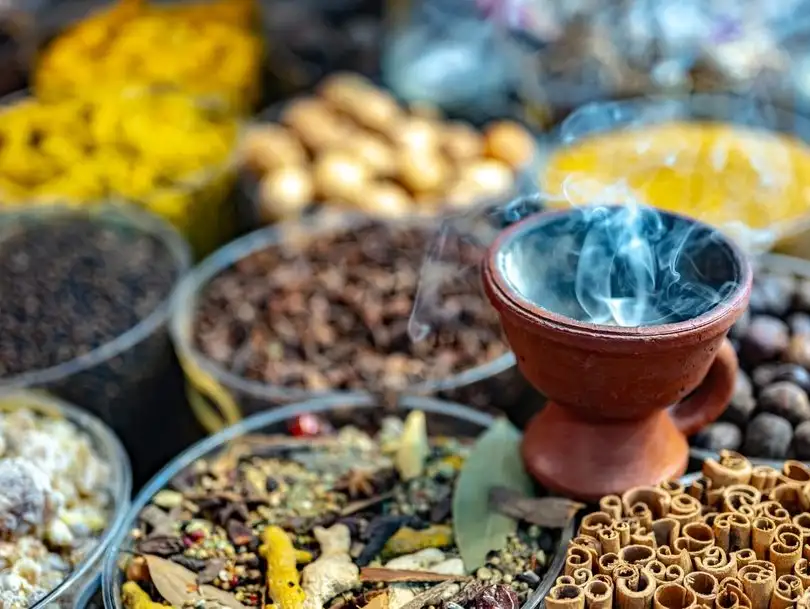
Still in Oman, Nizwa Souq offers a more local and heritage rich experience. Located beside Nizwa Fort, the market sits in one of Oman’s most historic inland centers and is best explored early in the morning.
This is the place to buy dates, Omani honey, saffron, dried limes, frankincense, pottery, silver jewelry, khanjars and halwa. Compared with Muscat, the atmosphere is less glossy and more rooted in everyday local life.
Cairo, Egypt
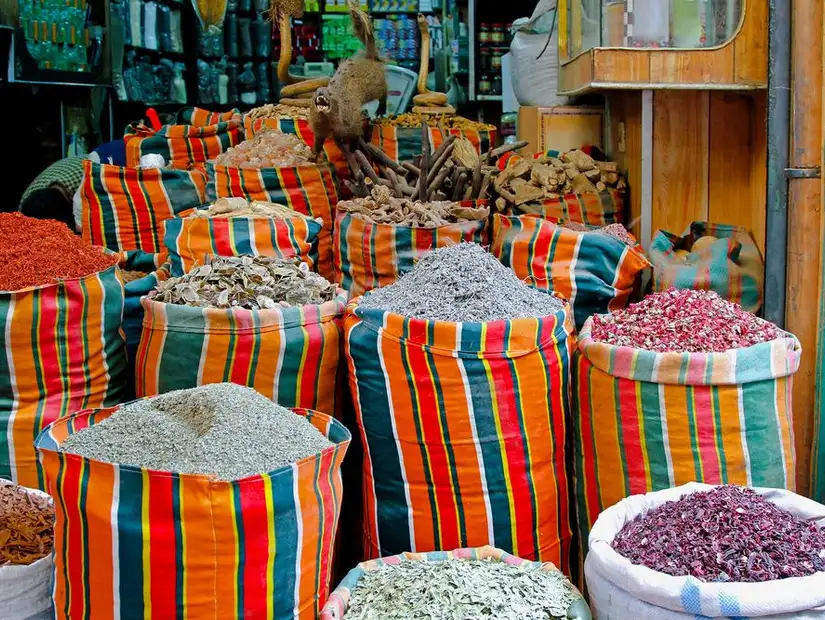
Our journey continues to Khan el-Khalili in Cairo, a legendary market rooted in medieval Islamic Cairo. This is not only a spice market, but a full bazaar experience filled with historic lanes, cafés, lanterns, brassware and constant movement.
For spice lovers, look for karkadeh, dukkah, cumin, coriander, cinnamon, black seed, mint tea and incense. The energy is chaotic, cinematic and unforgettable.
Location
Aswan, Egypt
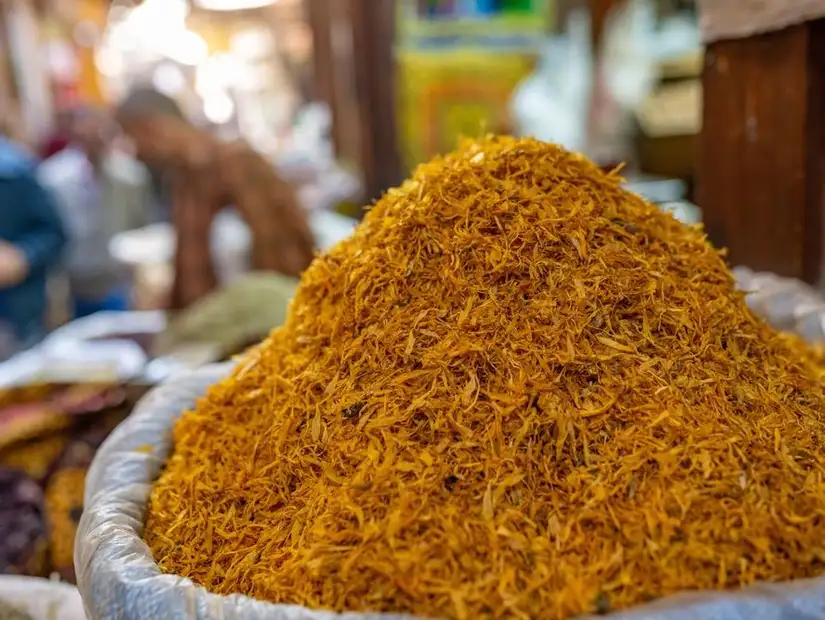
Further south, Aswan Souq, also known as Sharia as Souq, offers a warmer and slower experience than Cairo. The market is colorful, relaxed and shaped by Egyptian, Nubian and African influences.
You can find cinnamon sticks, karkadeh, cumin, turmeric, thyme, cardamom, henna, sandalwood, baskets and scarves. It is a beautiful place to discover the softer side of Egypt’s market culture.
Besides souqs, Egypt has so much more to offer. If you want to explore more, check out the Top Attractions in Egypt.
Doha, Qatar
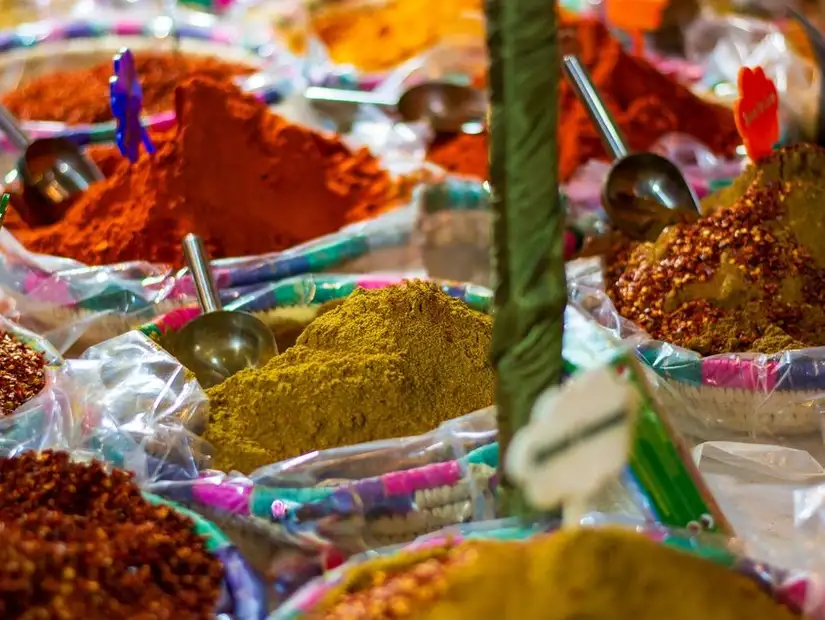
In Doha, Souq Waqif combines traditional market character with a restored and visitor friendly setting. Its alleys, cafés, craft stalls and photogenic architecture make it especially lively after sunset.
Travelers can shop for Arabic coffee blends, cardamom, saffron, dried limes, dates, nuts, oud, perfumes and textiles. It is one of the easiest souqs to explore for first time visitors to the Gulf.
Besides Souq Waqif, Qatar has so much more to offer. If you want to explore more, check out the Top Attractions in Qatar.
Kuwait City, Kuwait
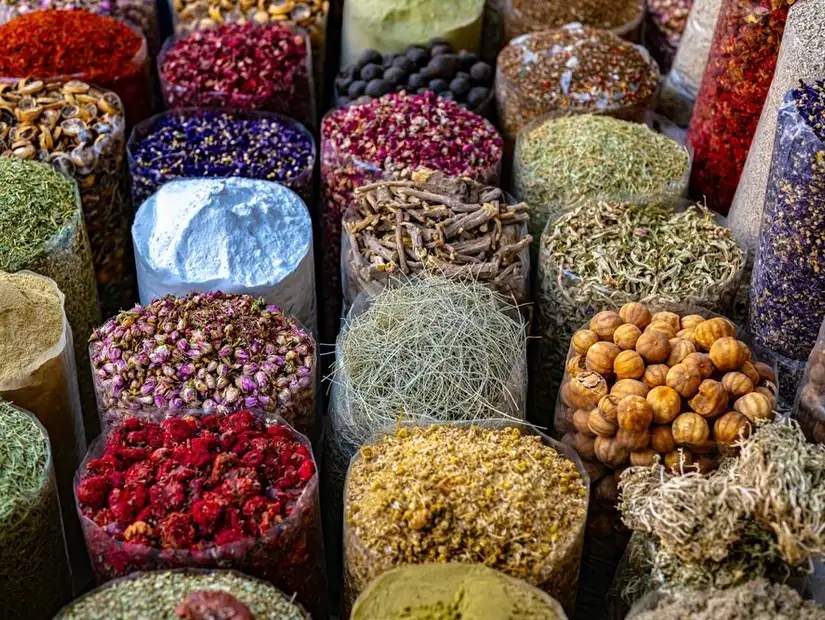
Souq Al Mubarakiya is one of Kuwait’s oldest markets and one of the Gulf’s most authentic everyday souq experiences. With a pre oil trade history often described as around 200 years, it offers a strong local feel and a food focused atmosphere.
Here, you can find zereshk, dried limes, saffron, cardamom, dates, honey, Kuwaiti fish spice blends, oud and traditional sweets. It is a great place to experience Kuwait through flavor.
While the Souq Al Mubarakiya is a must-see, it's just the tip of the iceberg in this magical city. Check out our Top 20 Attractions in Kuwait and start exploring today!
Riyadh, Saudi Arabia
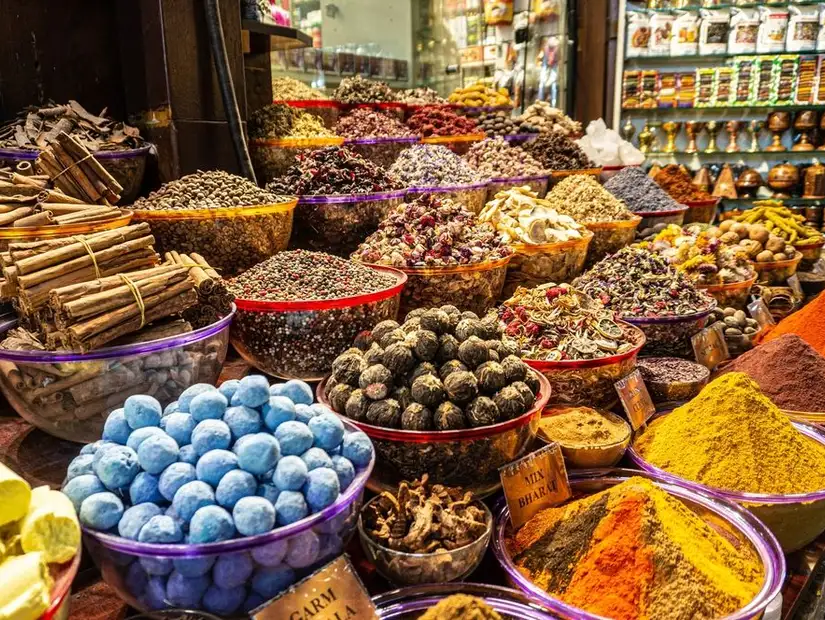
In Riyadh, Souq Al Zal is one of the city’s oldest markets, located in the historic Ad Dirah area near Masmak Fortress. The atmosphere is traditional and heritage heavy, especially for travelers interested in oud, carpets, antiques and collectibles.
Look for premium cloves, oud incense, bukhoor, Saudi coffee items, carpets, bishts and old coins. This souq is less about polished tourism and more about deep local character.
Riyadh’s magic goes far beyond the Souq Al Zal. To discover the city’s endless hidden gems and iconic landmarks, explore our curated list of the Top 10 Tourist Attractions in Riyadh.
Al-Ahsa, Saudi Arabia
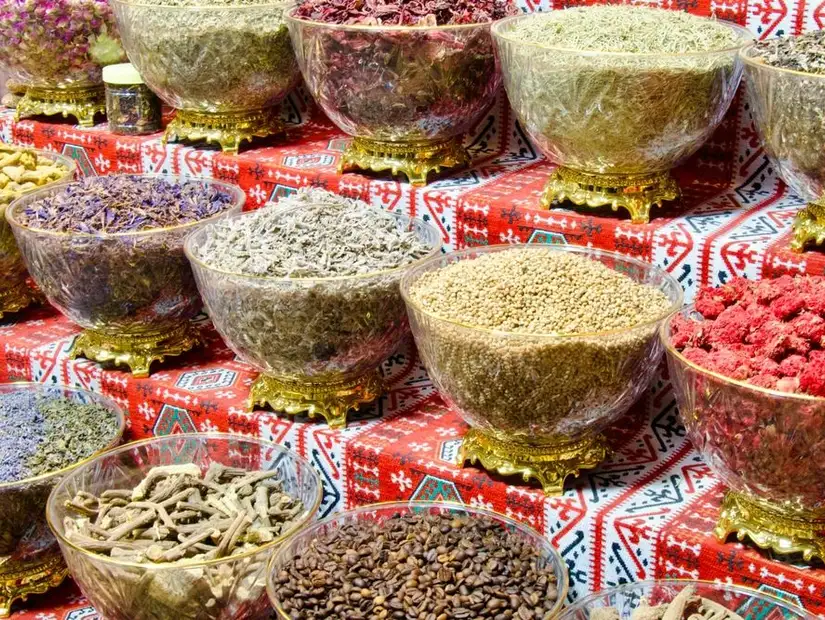
Souq Al-Ahsa, also known as Qaisariya, brings travelers into the heart of Al Ahsa, one of the world’s major oasis regions. The souq has a deeply local feel and reflects the culture of the oasis through food, spices and handicrafts.
You can shop for red rice, kabsa spices, Saudi coffee spices, dates, grains, medicinal herbs and traditional crafts. It is one of Saudi Arabia’s most rewarding market experiences for travelers who want something more local.
Jeddah, Saudi Arabia
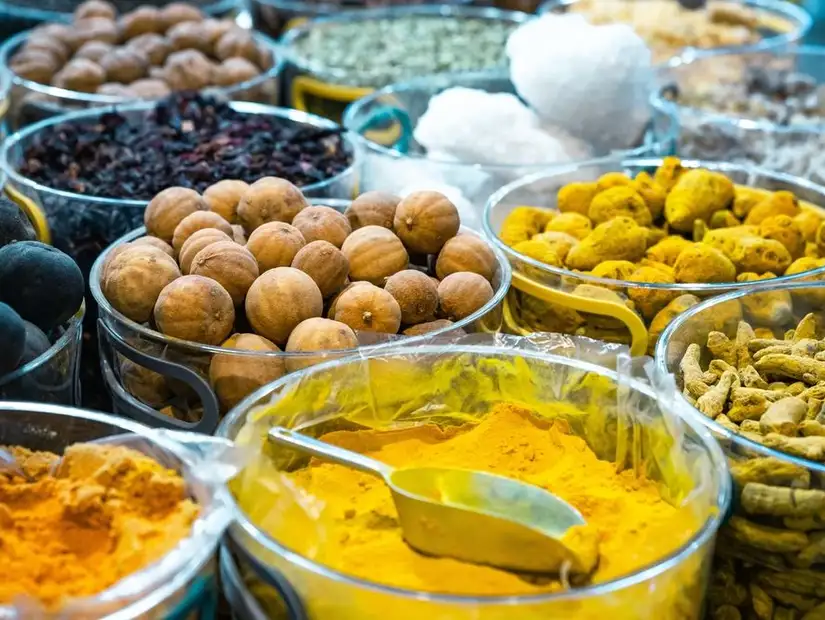
In Jeddah, Souq Al Alawi sits inside the historic Al Balad area, surrounded by old architecture and dense market streets. It is one of the city’s oldest bazaars and a strong choice for travelers who want atmosphere, history and local shopping in one place.
The market is known for spices, incense, oud, traditional remedies, dates, Arabic coffee items, textiles and jewelry. Its character is layered, busy and deeply connected to old Jeddah.
The Souq Al Alawi is just the beginning. Discover the city’s other popular souqs in our comprehensive guide: The Best Souqs in Jeddah.
Manama, Bahrain
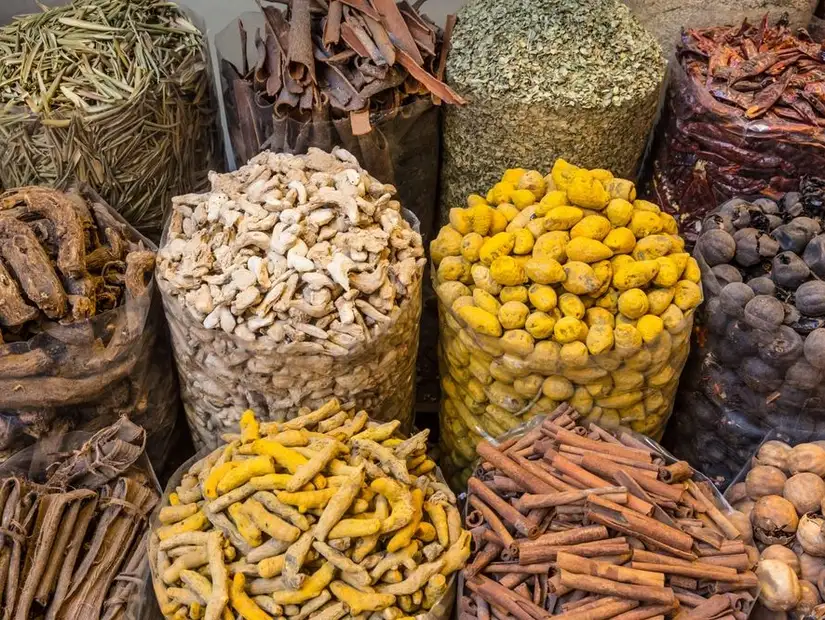
Behind Bab Al Bahrain, Manama Souq offers a compact and lively market experience shaped by Arab, Persian and Indian Ocean influences. It is a classic historic market in the old commercial heart of the city.
Travelers can find black lemon powder, Bahraini spice blends, garam masala, saffron, turmeric, cumin, halwa, oud and pearls. It is small enough to explore easily, yet rich enough to feel culturally layered.
Amman, Jordan
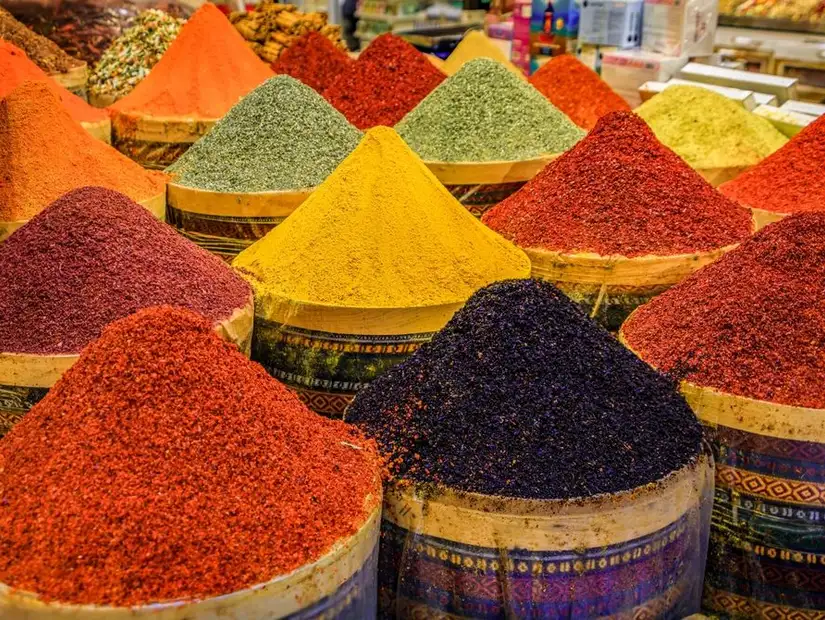
In Downtown Amman, the spice markets around Al Balad offer a practical and local shopping experience near Grand Husseini Mosque, Souq Al-Sukar and Souq El Saghah. The atmosphere is fast-moving, giving travelers a real glimpse into the city’s food culture.
Look for Jordanian za’atar, wild sumac, cardamom, Arabic coffee blends, saffron, nuts, dried fruits and sweets. This is the kind of place where locals shop, bargain and move quickly through familiar lanes.
Al Balad is iconic, but Amman has so much more to offer. Find your next stop in our guide: Top Tourist Attractions in Amman.
Fez, Morocco
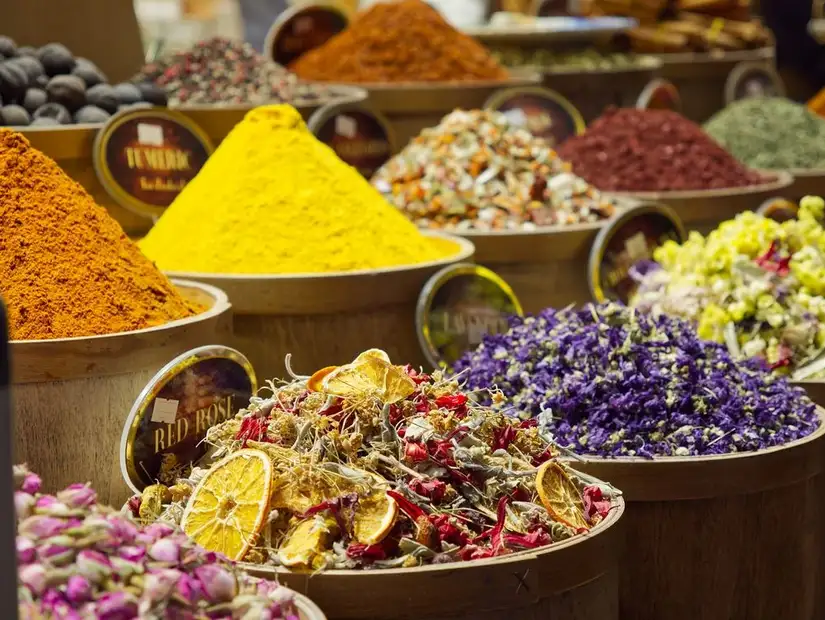
In Morocco, Souk el Attarine in Fez offers an intimate and medieval souq experience inside the historic Fez Medina. Its name is tied to attar, meaning perfume or spice sellers, and the narrow lanes are filled with herbs, spices, oils and crafts.
Look for ras el hanout, cinnamon, ginger, cumin, turmeric, dried herbs, rose products and argan oil. The experience feels ancient, sensory and deeply connected to the old medina.
Marrakesh, Morocco
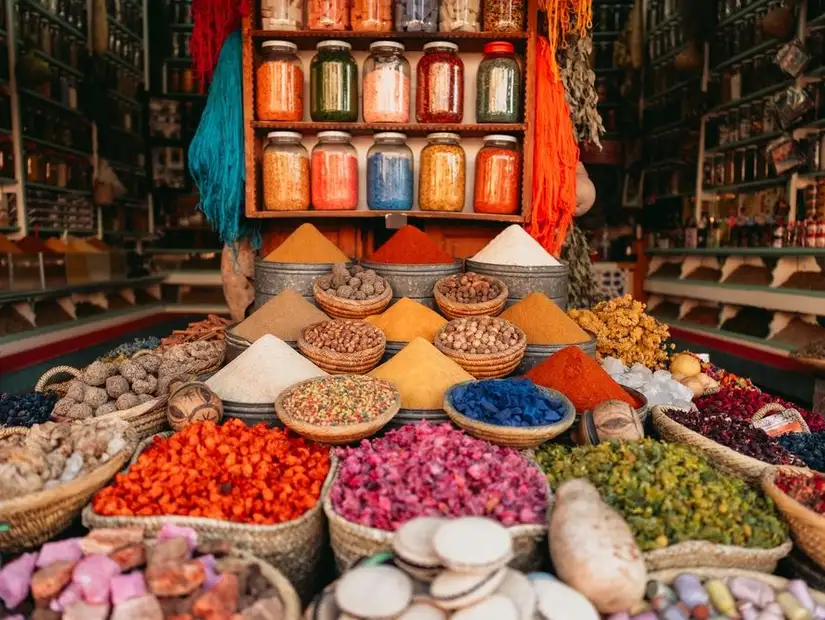
We conclude our journey in Marrakesh at Rahba Kedima, also known as The Spice Square or Place des Épices. This open-air market is vibrant and theatrical, with herbalists, baskets, spice pyramids and traditional cosmetics.
Historically associated with spice traders, herbalists and caravan trade routes, the square is a must visit for anyone interested in Moroccan market culture. Shop for ras el hanout, cumin, cayenne pepper, aniseed, black pepper blends, dried roots and argan oil.
Each market tells a different story, shaped by trade routes, local rituals, regional flavors and the people who keep these traditions alive. Visiting these souqs is a way to understand a destination through its daily life, its food culture and its heritage. Whatever you are looking for, every souq offers a journey of its own and reveals the cultural richness of the MENA region through scent, color and tradition. To experience these, book your flight now on WINGIE and explore the region’s most unforgettable markets with exclusive prices and special offers.
You may also like:
- The Most Famous Castles in the MENA Region
- The Most Beautiful Natural Wonders in the MENA Region
- Top Camping Destinations in the MENA Region
- Best 15 Cities in Morocco to Visit
- Top 10 Family-Friendly Destinations
- Top Amusement Parks in Lebanon
- Top Attractions in Jordan
- Top 10 Restaurants in Cairo
- Top Oases in the MENA Region
- Top Destinations for the Eid Holiday in the MENA Region
- Top Archaeological Destinations in the MENA Region
- Top Diving Destination in the MENA Region
- Top Desert Safari Destinations in the MENA Region

