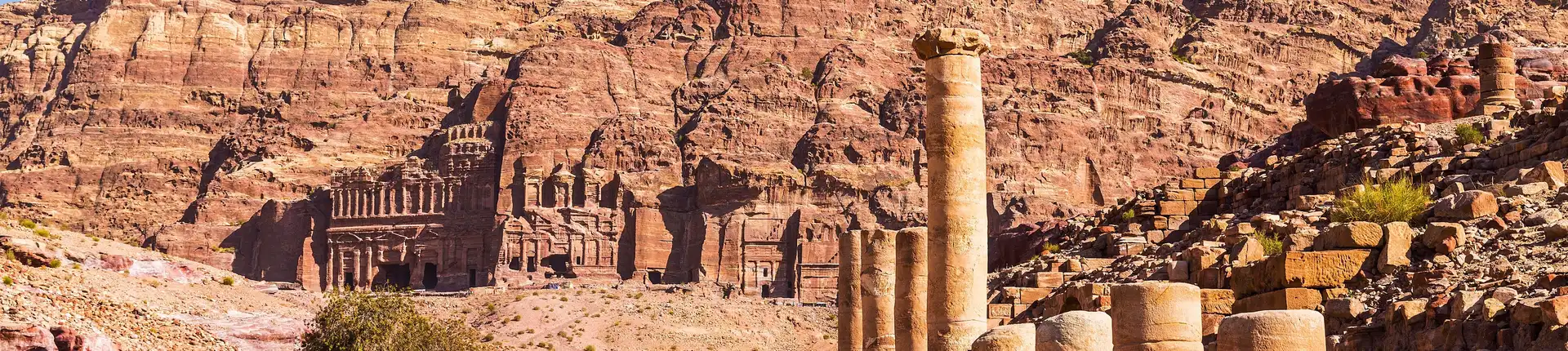
Top 10 Ancient Wonders in the MENA Region


The MENA region has been home to some of the world’s most influential civilizations, from the ancient Egyptians and Mesopotamians to the Nabataeans, Phoenicians, Persians, and Romans. Across deserts, valleys, and ancient cities, these civilizations left behind remarkable monuments that continue to tell their stories thousands of years later.
From monumental pyramids and rock-carved cities to ancient capitals and Roman ruins, the region offers countless opportunities to travel through time. In this article, we explore 10 ancient wonders across the MENA region and discover the civilizations, stories, and architectural achievements behind them.
The Pyramids of Giza, Egypt
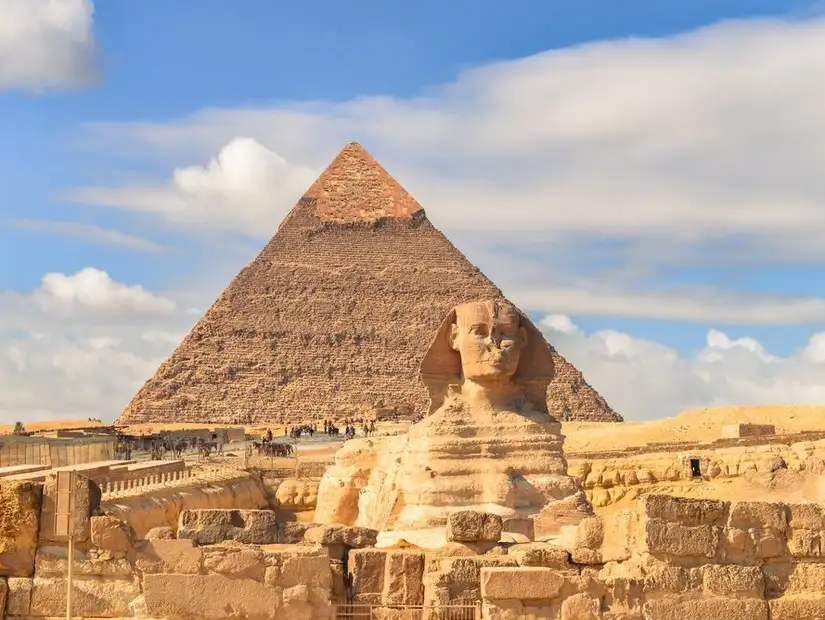
Standing on the Giza Plateau near Cairo, the Pyramids of Giza are among the most recognizable landmarks in the world. Built more than 4,500 years ago during Egypt’s Old Kingdom, these monumental structures represent one of humanity’s greatest architectural achievements.
The Great Pyramid of Khufu is the only surviving wonder of the original Seven Wonders of the Ancient World. Beyond their incredible size, the pyramids reveal the advanced engineering skills, organization, and knowledge of ancient Egyptian civilization.
Petra, Jordan
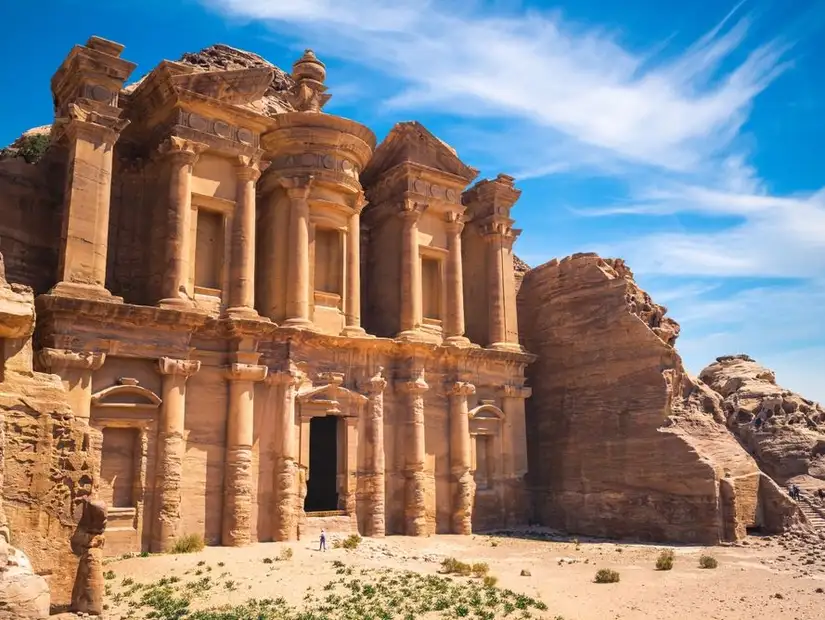
Hidden between the desert mountains of southern Jordan, Petra is one of the most impressive archaeological sites in the world. Known as the “Rose City” because of the color of its sandstone cliffs, Petra was the capital of the Nabataean Kingdom more than 2,000 years ago.
The city was an important trading center connecting Arabia, Egypt, and the Mediterranean world. Its famous Treasury, carved directly into the rock, is one of the most iconic sights in the MENA region.
Hegra, Saudi Arabia
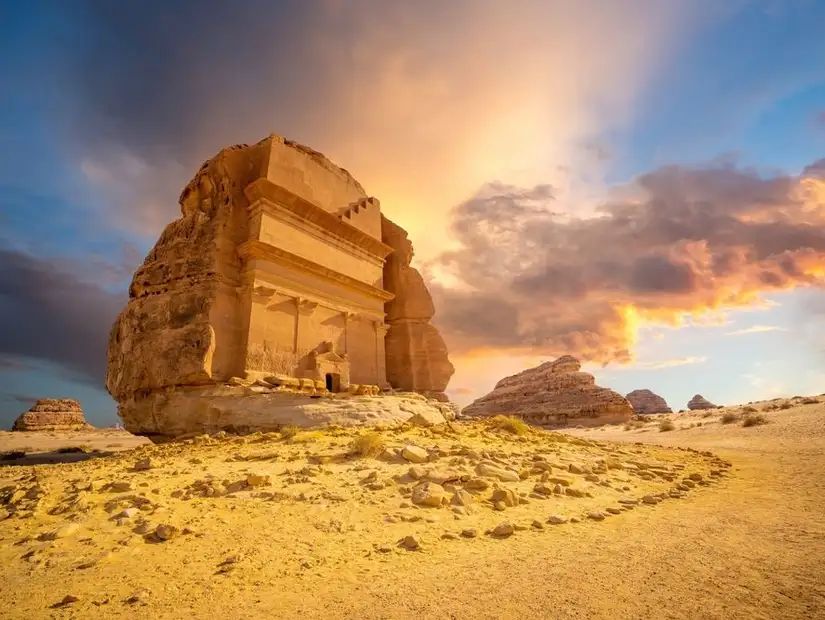
Located in AlUla, Hegra is Saudi Arabia’s first UNESCO World Heritage Site and one of the most remarkable examples of Nabataean architecture outside Petra.
The ancient city features more than 100 monumental tombs carved into sandstone cliffs, decorated with inscriptions and detailed architectural elements. Once an important stop on ancient trade routes, Hegra offers a glimpse into the history of the Nabataean civilization.
Persepolis, Iran
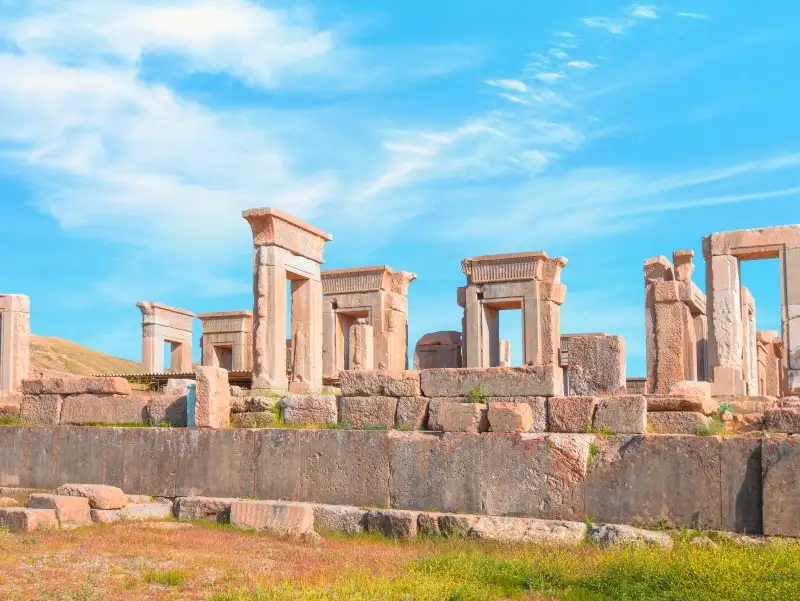
Near Shiraz, Persepolis was the ceremonial capital of the Achaemenid Persian Empire. Founded by King Darius I around the 6th century BCE, the city was designed to showcase the power and cultural richness of one of the ancient world’s greatest empires.
Its impressive staircases, stone reliefs, and monumental halls reveal the artistic achievements of ancient Persia and provide valuable insights into the empire’s diverse population.
Babylon, Iraq
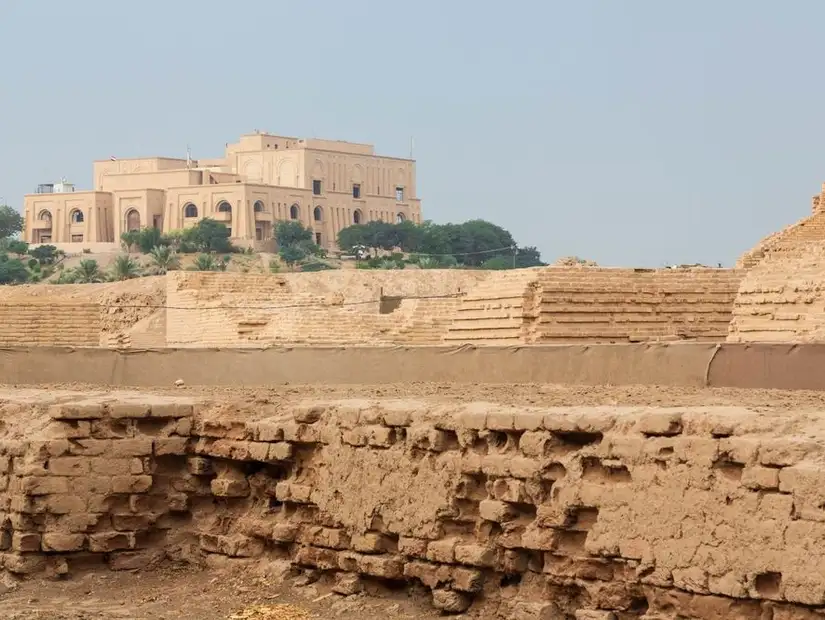
Located near modern-day Hillah, Babylon was one of the most influential cities of the ancient world. As the capital of the Babylonian Empire, it became a center of science, culture, architecture, and political power.
The city is famous for landmarks such as the Ishtar Gate and the Processional Way. Babylon is also traditionally associated with the Hanging Gardens, one of the Seven Wonders of the Ancient World, although historians continue to debate their exact location and existence.
Baalbek, Lebanon
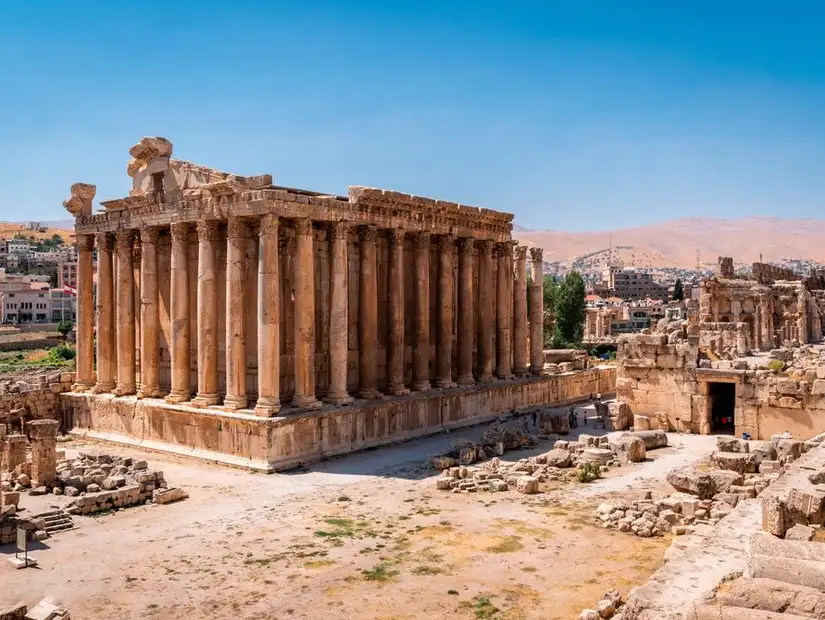
In Lebanon’s Bekaa Valley, Baalbek stands as one of the most impressive ancient architectural complexes in the region. Originally a Phoenician religious site, it later became a major Roman sanctuary dedicated to Jupiter, Bacchus, and Venus.
The enormous scale of its temples demonstrates the engineering skills of Roman architects and remains one of the most remarkable examples of Roman architecture outside Europe.
Jericho, Palestine
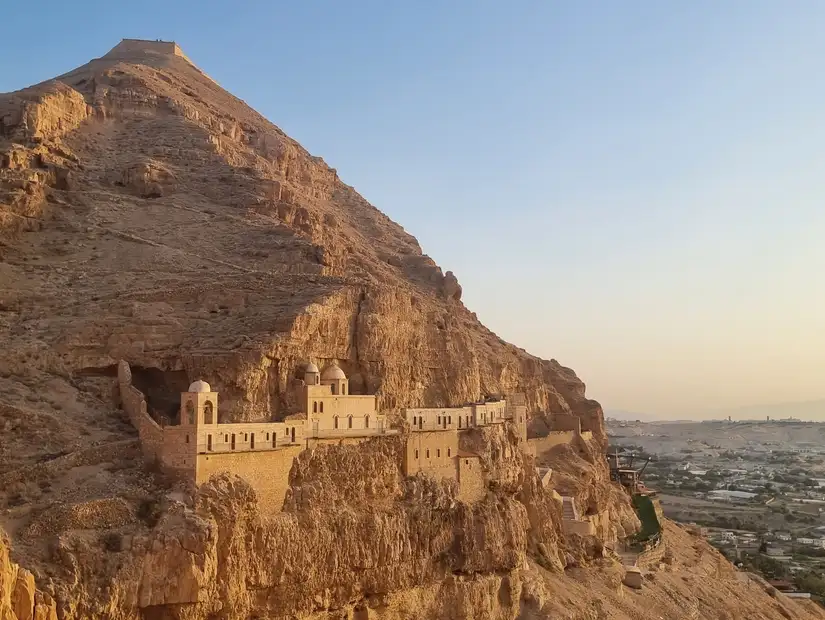
Often considered one of the oldest continuously inhabited settlements in the world, Jericho offers a fascinating look into early human communities. Located near the Jordan Valley, archaeological evidence at Tell es-Sultan reveals thousands of years of settlement history.
The site provides important insights into early agriculture, urban development, and the transition from nomadic lifestyles to permanent communities.
Carthage, Tunisia
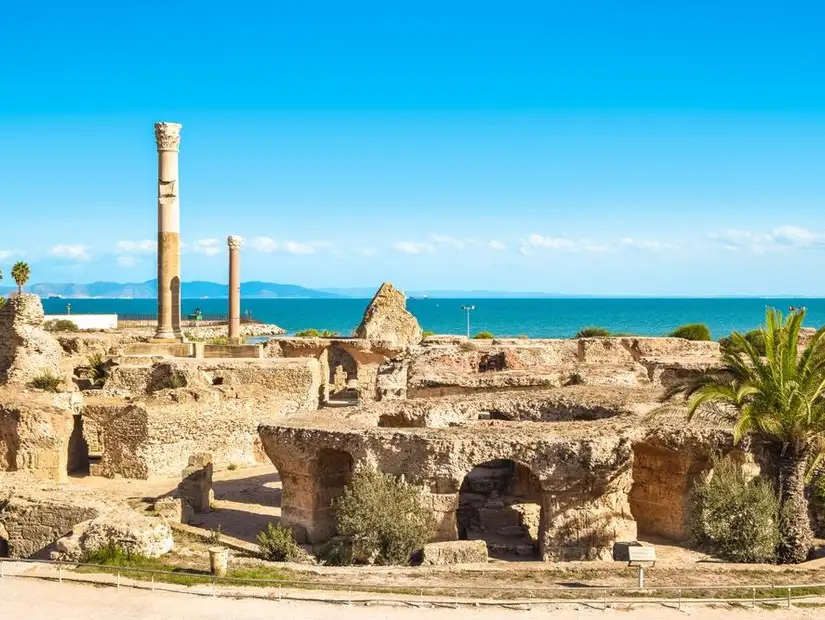
Founded by the Phoenicians, Carthage became one of the Mediterranean’s most powerful cities before its famous conflicts with Rome. Under leaders such as Hannibal, Carthage challenged Roman dominance and played a major role in ancient Mediterranean history.
Today, visitors can explore remains including Roman baths, ancient ports, and archaeological areas overlooking the Mediterranean coast.
Volubilis, Morocco
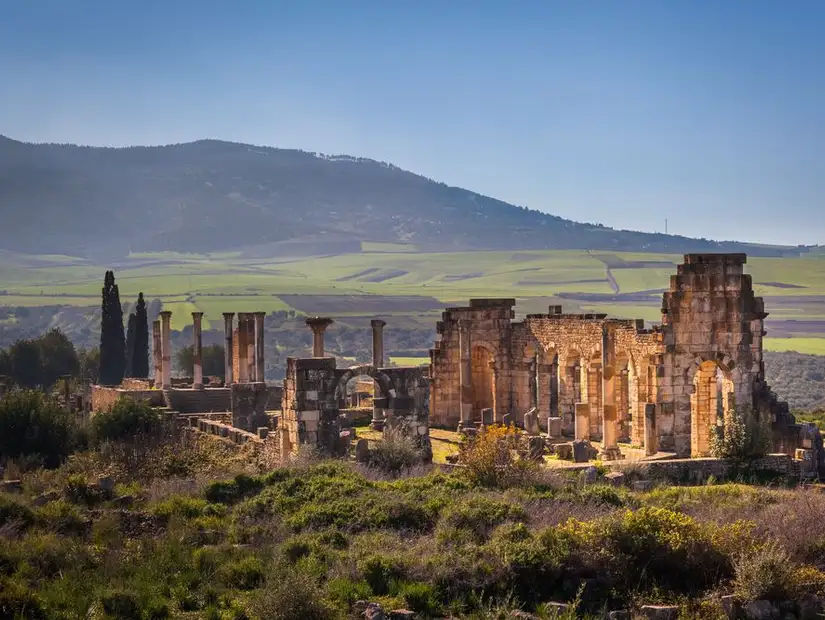
Near the city of Meknes, Volubilis is one of the best-preserved Roman archaeological sites in North Africa. Once a thriving city on the edge of the Roman Empire, it is known for its impressive mosaics, temples, and ancient streets.
Walking through Volubilis offers a unique opportunity to see how Roman urban life developed in North Africa.
Timgad, Algeria
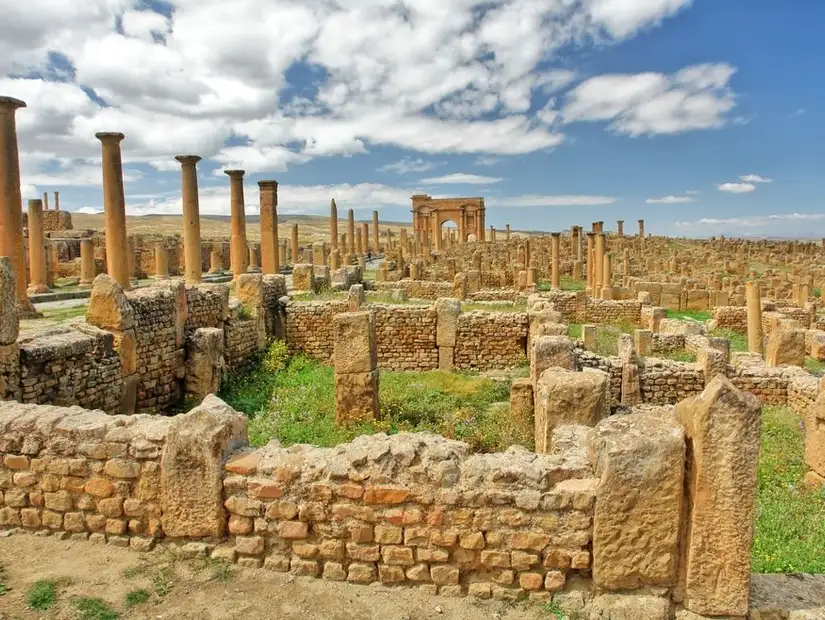
Founded by Roman Emperor Trajan around 100 CE, Timgad is often called the “Pompeii of Africa” because of its remarkably preserved ruins. The city was designed according to the Roman grid system, with straight streets, public buildings, and impressive monuments.
Its theater, library, and Arch of Trajan showcase the scale of Roman urban planning in North Africa.
Frequently Asked Questions
The ancient wonders of the MENA region are more than archaeological sites. They are reminders of how civilizations developed, connected, and influenced the world through architecture, trade, science, and culture.
Whether you are fascinated by ancient Egypt, curious about Mesopotamia, or interested in Roman and Nabataean history, these destinations offer a journey through thousands of years of human creativity.
What are the oldest ancient sites in the MENA region?
- Some of the oldest known settlements in the region include Jericho and other early archaeological sites that reveal the beginnings of agriculture and permanent communities.
Which ancient wonder is the most famous in the MENA region?
- The Pyramids of Giza are among the most internationally recognized ancient monuments and the only surviving wonder of the original Seven Wonders of the Ancient World.
Are all ancient sites in the MENA region open to visitors?
- Accessibility varies depending on location and current conditions. Travelers should always check official travel guidance before planning their journey.
From the pyramids of Egypt to the lost cities of Mesopotamia and the rock-cut wonders of Arabia, the MENA region offers an extraordinary connection to humanity’s past. Exploring these ancient wonders is not only a journey across countries but also a journey across civilizations that shaped the world we know today. Planning a trip across the MENA region is easier with WINGIE, where you can compare flight options and book the best flight for your needs. If you want to explore more destinations, check out our top picks on the MENA region.
You may also like:
- Top Museums for Children in the MENA Region
- An Ultimate Guide to Henna Art in the MENA Region
- Top Spots for Urban Night Photography in the MENA Region
- Top Green Hotels and Resorts in the MENA Region for Eco-Friendly Stays
- Top Libraries in the MENA Region
- Top Spice Souqs in the MENA Region
- The Most Famous Castles in the MENA Region
- The Most Beautiful Natural Wonders in the MENA Region
- Top Camping Destinations in the MENA Region
- Best 15 Cities in Morocco to Visit
- Top 10 Family-Friendly Destinations
- Top Amusement Parks in Lebanon
- Top Attractions in Jordan
- Top 10 Restaurants in Cairo
- Top Oases in the MENA Region
- Top Destinations for the Eid Holiday in the MENA Region
- Top Archaeological Destinations in the MENA Region
- Top Diving Destination in the MENA Region
- Top Desert Safari Destinations in the MENA Region

