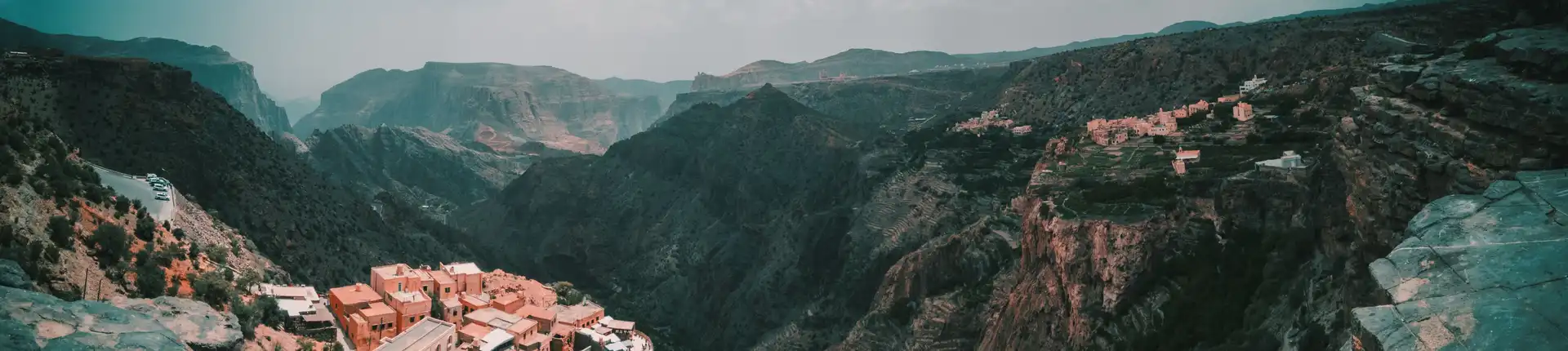
Top Mountain Villages in Oman


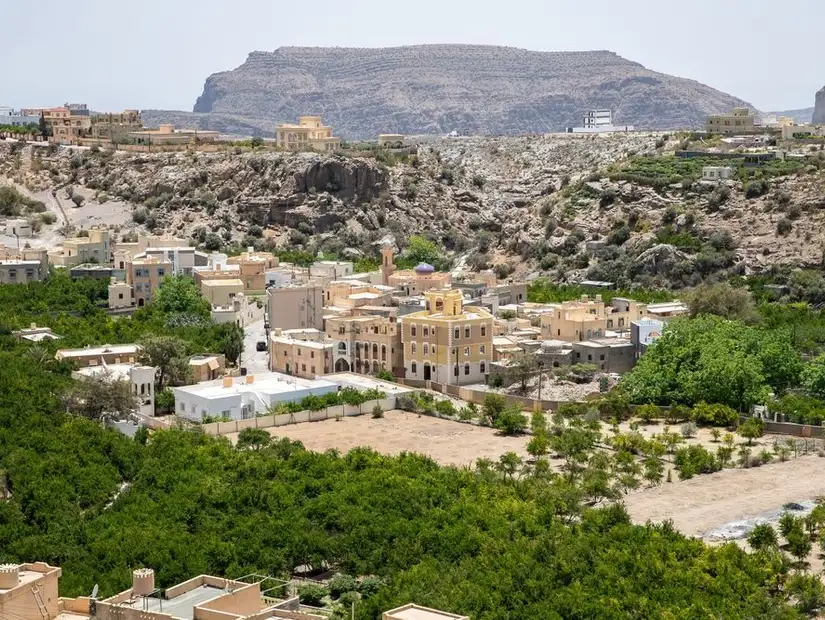
When planning a getaway in the Arabian Peninsula, travelers often picture golden sand dunes, historic coastal ports, and bustling modern cities. While Oman is celebrated for its coastline, vast deserts, and centuries-old forts, its interior landscape holds a completely different experience. Rising dramatically above the plains, the Hajar Mountains are home to ancient villages where stone houses, terraced farms, and traditional lifestyles continue to thrive.
For travelers across the GCC looking for a peaceful escape, these mountain communities offer a welcome change of pace. Higher elevations bring cooler air, quieter surroundings, and a deep connection to Omani culture and heritage. Whether you are planning a road trip or a short weekend getaway, exploring Oman’s mountain villages reveals a side of the country where history and nature come together seamlessly.
Why Oman’s Mountain Villages Are Perfect for GCC Travelers
Cooler Temperatures Year-Round
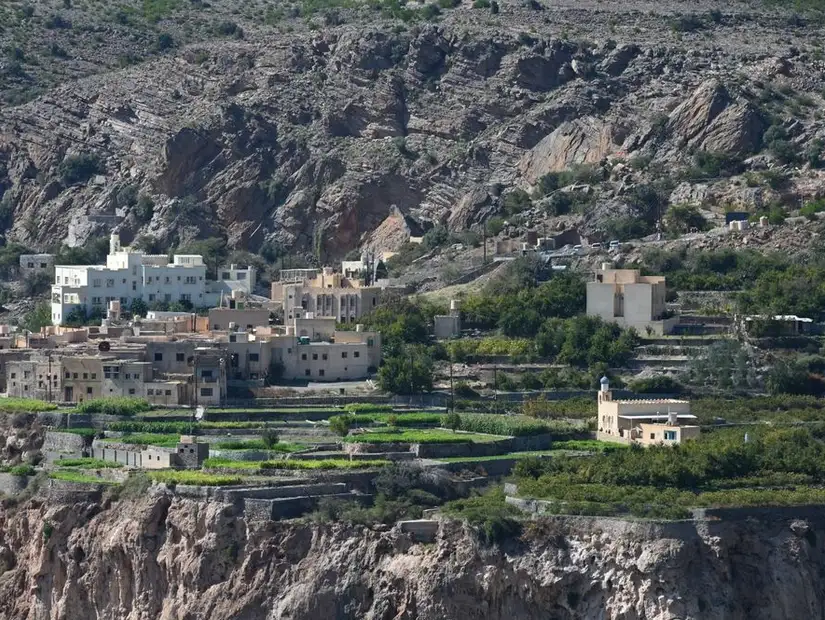
One of the biggest draws for visitors from neighboring GCC countries is the climate. Mountain areas like Jebel Akhdar and Jebel Shams sit thousands of meters above sea level, offering noticeably cooler temperatures than the coastal cities. During the summer, while low-lying areas experience high heat, the mountains provide a comfortable climate for outdoor exploration.
An Easy Weekend Escape
Located just a short flight or drive away, Oman is exceptionally accessible for travelers based in the UAE, Saudi Arabia, Qatar, Bahrain, and Kuwait. Overland routes through border crossings make it a popular road trip destination, while direct flights to Muscat allow for quick weekend itineraries.
Authentic Cultural Experiences
Unlike purpose-built resorts, Oman’s mountain villages are living communities. Visitors can walk along narrow alleyways, see ancient irrigation networks still in use, purchase locally grown produce, and stay in restored heritage guesthouses run by local families.
Diverse Outdoor Activities
The Hajar Mountains are a paradise for nature enthusiasts. From gentle village walks through fruit orchards to challenging mountain hikes, canyon viewpoints, and photography spots, there are activities suited for every fitness level.
Jebel Akhdar: Oman’s Green Mountain Escape
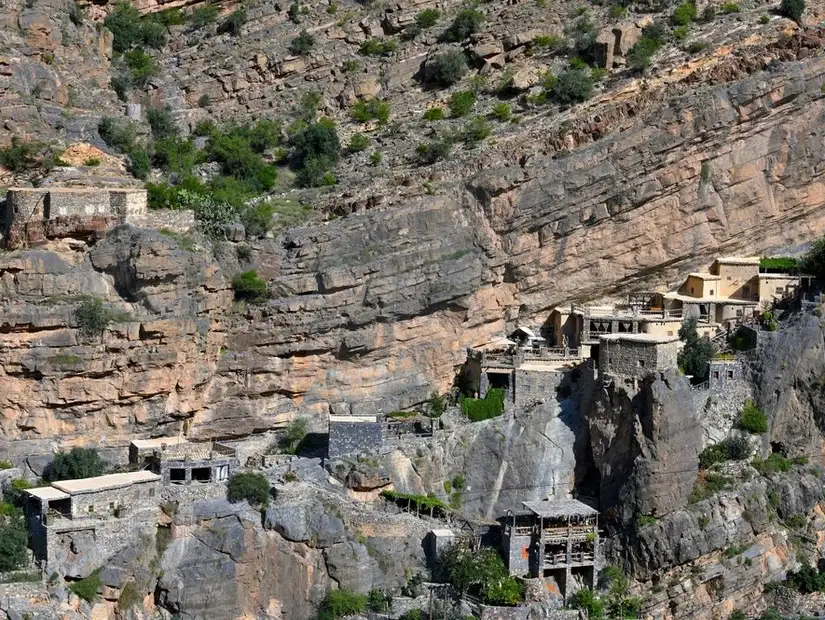
Jebel Akhdar, which translates to "Green Mountain," is part of the central Hajar range. Famous for its agricultural terraces carved into steep limestone cliffs, the plateau sits approximately 2,000 meters above sea level and is known for its mild climate and fertile soil.
Rose Gardens and Terraced Farms
The region is celebrated for its agricultural heritage. Farmers here cultivate pomegranates, walnuts, figs, and Damask roses using ancient techniques passed down through generations. The terraced farms follow the natural contours of the mountain, creating striking green steps against the gray rock face.
Villages to Explore
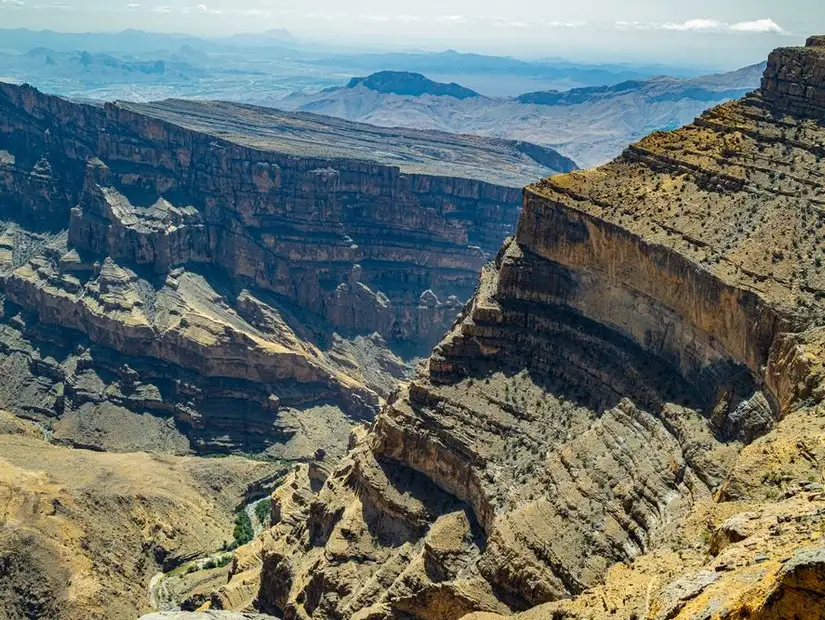
Al Ain Village
Perched dramatically on the edge of a canyon, Al Ain is one of the most scenic villages on the plateau. Visitors can walk along agricultural trails, view stone homes, and take in panoramic vistas of the surrounding valley.
Saiq Village
Located near the center of the plateau, Saiq offers a look at everyday mountain farming life. It is surrounded by orchards and serves as a great starting point for exploring the higher trails.
Misfat Al Abriyeen: A Traditional Village Among Palm Groves
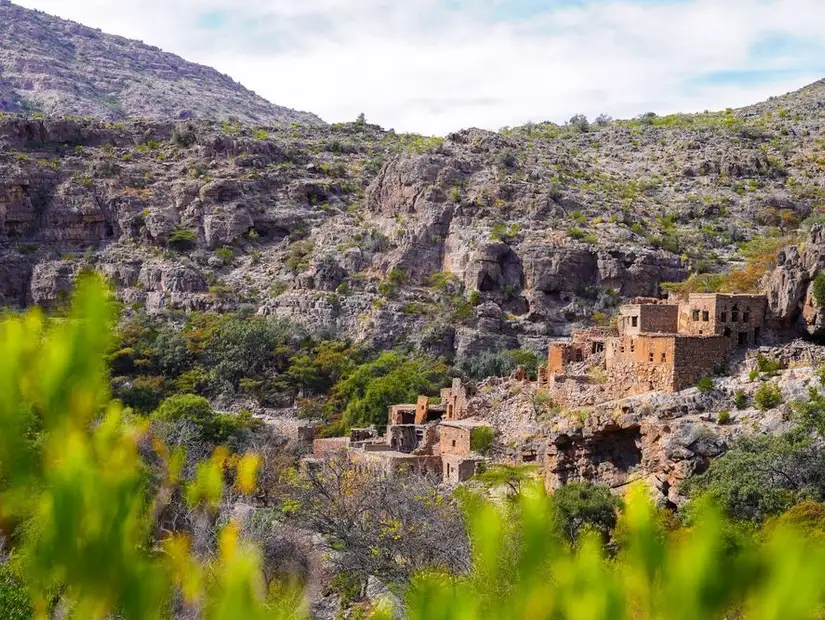
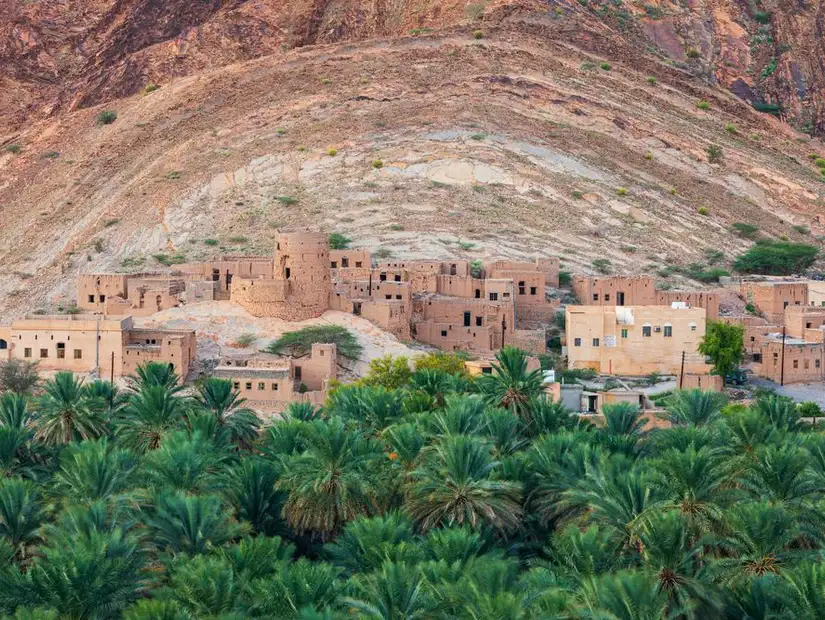
Situated on the slopes of Jebel Shams near the town of Al Hamra, Misfat Al Abriyeen is one of Oman’s most well-preserved heritage villages. Built into the mountainside, the village is famous for its multi-story stone and mudbrick houses, dense banana and date palm groves, and quiet atmosphere.
Traditional Architecture and Stone Pathways
The village features traditional architecture designed to adapt to the steep terrain. Narrow, shaded stone pathways and arched passageways wind between historic buildings, creating a cool microclimate even during warmer afternoons.
The Falaj Irrigation System
At the heart of Misfat Al Abriyeen’s agriculture is the falaj, an ancient gravity-fed water channel system that distributes mountain spring water to household gardens and palm groves. Walking alongside these clear water channels gives visitors a firsthand look at traditional Omani water management.
Staying in a Heritage Guesthouse
In recent years, local residents have carefully restored several historic homes into boutique guesthouses. Staying overnight allows travelers to enjoy local meals, experience traditional hospitality, and enjoy the tranquil village environment after day visitors have left.
Al Hamra: A Window Into Old Oman
Located at the foot of the Hajar Mountains, Al Hamra is one of the oldest towns in Oman. Serving as a historical gateway to destinations like Misfat Al Abriyeen and Jebel Shams, it provides an authentic glimpse into traditional Omani architecture and town planning.
Historic Mudbrick Neighborhoods
Al Hamra is famous for its multi-story mudbrick houses, some of which are over 300 years old. Built using traditional Omani techniques, these structures feature carved wooden doors, high ceilings, and thick walls designed to keep interiors cool. While many residents have moved to modern homes nearby, the old quarter remains an important cultural landmark.
Top Museums and Heritage Experiences
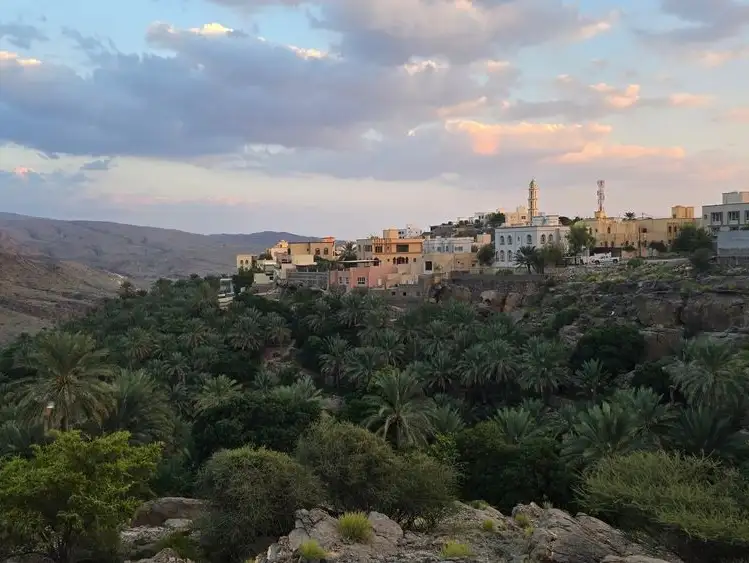
Visitors to Al Hamra can explore local heritage centers, such as Bait Al Safah, a restored mudbrick house where local guides demonstrate traditional practices like bread making, coffee roasting, and oil extraction.
Wadi Bani Habib: The Abandoned Village Surrounded by Nature
Deep within Jebel Akhdar lies Wadi Bani Habib, a historic village nestled at the bottom of a lush walnut valley. The old settlement was abandoned decades ago as residents moved to modern housing on the plateau, leaving behind a collection of mud and stone structures surrounded by nature.
History and Photography
To reach the village, visitors descend a long set of stone steps into the wadi bed, passing through orchards of walnut and pomegranate trees before reaching the ancient buildings. The contrast between the weathered stone walls and the green valley floor makes it a popular spot for photography and quiet walks.
Jebel Shams: The Grand Canyon of Oman
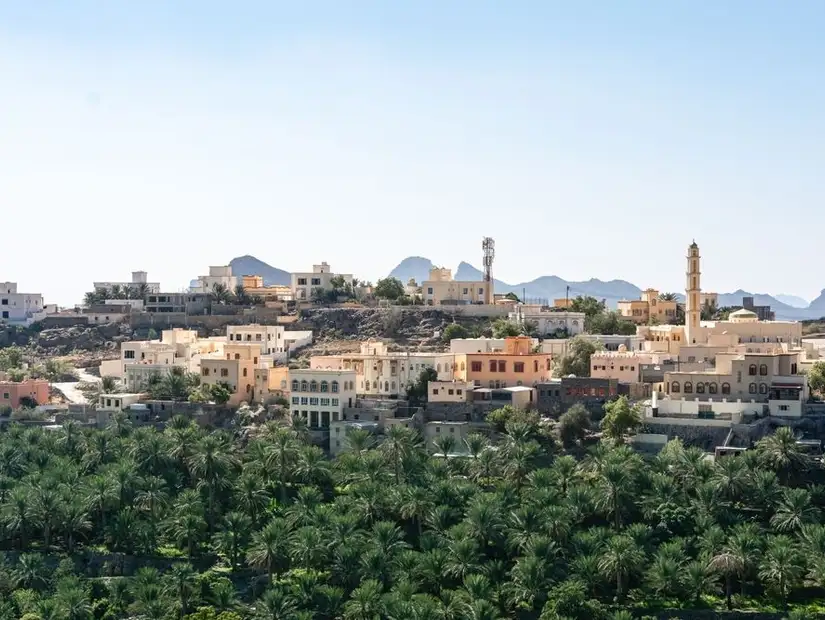
While Jebel Shams is a mountain peak rather than a single village, it is an essential destination for any mountain itinerary in Oman. Rising to nearly 3,000 meters, it is the highest point in the country and is home to small pastoral settlements scattered along its high plateaus.
Spectacular Canyon Views
Jebel Shams is best known for its views of Wadi Ghul, a dramatic gorge often referred to as the Grand Canyon of Arabia. The sheer vertical drop of the canyon walls provides some of the most impressive natural scenery in the region.
Hiking and Outdoor Recreation
The area offers several popular trail routes, including the Balcony Walk, a scenic path that clings to the canyon wall and leads to the abandoned village of As Sab. The high elevation also makes Jebel Shams a favorite spot for mountain camping, stargazing, and photography.
Nizwa: The Cultural Gateway to Oman’s Mountains
Located in the interior plain near the base of the mountains, the historic city of Nizwa serves as the primary gateway for travelers heading into Jebel Akhdar, Jebel Shams, and Al Hamra.
Nizwa Fort and the Traditional Souq
Nizwa was once the capital of Oman and remains a major cultural hub. Visitors can tour Nizwa Fort, known for its massive circular tower, and wander through the nearby Nizwa Souq to purchase silver jewelry, traditional Omani daggers (khanjars), spices, and local dates.
Best Time to Visit Oman’s Mountain Villages
- October to April (Peak Season): This period brings pleasant, cool weather across the mountains. daytime temperatures are comfortable for hiking, sightseeing, and village walks.
- March to April (Rose Season): Ideal for visiting Jebel Akhdar, as this is when the Damask roses are in full bloom across the terraced farms.
- May to September (Summer Months): Higher mountain locations like Jebel Akhdar and Jebel Shams remain significantly cooler than coastal cities, making them popular summer day trips and weekend escapes.
How GCC Travelers Can Plan an Oman Mountain Trip
- Getting There: Travelers flying in can arrive at Muscat International Airport, which offers frequent connections across the GCC. From Muscat, the drive to Nizwa and the surrounding mountain foothill towns takes approximately 1.5 to 2 hours along modern highways.
- Road Trips and Driving Requirements: For visitors driving from the UAE or Saudi Arabia, entering via land borders provides a seamless road trip experience. Note that ascending Jebel Akhdar requires a 4WD vehicle; a police checkpoint at the base of the mountain verifies that vehicles meet safety requirements before driving up the steep mountain pass.
- Accommodations: Options range from luxury mountain resorts like Alila Jabal Akhdar and Anantara Al Jabal Al Akhdar to eco-resorts on Jebel Shams and authentic heritage guesthouses in Misfat Al Abriyeen and Al Hamra.
- Packing Essentials: Pack comfortable walking or hiking shoes, sunscreen, sunglasses, and modest clothing suitable for visiting local villages. Be sure to bring warm layers for the cooler evenings at high elevations.
Travel Tips for Oman’s Mountain Villages
- Respect Local Privacy: These villages are home to local families. Always ask permission before taking photos of residents or private properties.
- Dress Modestly: When walking through public village areas and agricultural lands, wear loose-fitting clothing that covers shoulders and knees.
- Stick to Designated Paths: Stay on established walking trails and falaj pathways to prevent damage to fragile agricultural terraces and irrigation channels.
- Support the Local Economy: Purchase locally grown produce, hire local village guides, and stay in family-run guesthouses to ensure your visit directly benefits the community.
Frequently Asked Questions
- What are the best mountain villages to visit in Oman? Misfat Al Abriyeen, the agricultural villages of Jebel Akhdar (such as Al Ain and Saiq), and the historic town of Al Hamra are among the top destinations for experiencing Omani mountain heritage.
- Is Oman suitable for a weekend trip from GCC countries? Yes. Thanks to short flight times, efficient border crossings, and well-maintained highways connecting Muscat to the Hajar range, Oman is an ideal destination for a quick weekend getaway.
- Can you visit Oman’s mountains during the summer? Yes. High-altitude destinations like Jebel Akhdar and Jebel Shams maintain cooler temperatures year-round, offering a pleasant outdoor escape during the hotter summer months.
- What should I wear when exploring traditional Omani villages? Travelers should wear comfortable, lightweight clothing that covers shoulders and knees to respect local cultural customs when visiting traditional communities.
Oman’s mountain villages invite travelers to slow down and experience the country beyond its coastal cities and modern landmarks. From the rose-scented terraces of Jebel Akhdar to the stone pathways of Misfat Al Abriyeen, these destinations reveal a rich cultural heritage shaped by centuries of mountain living.
Whether you are seeking outdoor adventure, historic architecture, or a quiet retreat in nature, a trip to the Hajar Mountains offers a truly memorable experience. Ready to plan your journey? Discover flights to Oman and special travel offers by visiting WINGIE today.
You may also like:
- An Ultimate Guide to Jebel Akhdar in Oman
- Top Attractions in Muscat
- An Ultimate Guide to Henna Art in the MENA Region
- Top Spots for Urban Night Photography in the MENA Region
- Top Green Hotels and Resorts in the MENA Region for Eco-Friendly Stays
- Top Libraries in the MENA Region
- Top Spice Souqs in the MENA Region
- The Most Famous Castles in the MENA Region
- The Most Beautiful Natural Wonders in the MENA Region
- Top Camping Destinations in the MENA Region
- Best 15 Cities in Morocco to Visit
- Top 10 Family-Friendly Destinations
- Top Amusement Parks in Lebanon
- Top Attractions in Jordan
- Top 10 Restaurants in Cairo
- Top Oases in the MENA Region
- Top Destinations for the Eid Holiday in the MENA Region
- Top Archaeological Destinations in the MENA Region
- Top Diving Destination in the MENA Region
- Top Desert Safari Destinations in the MENA Region

