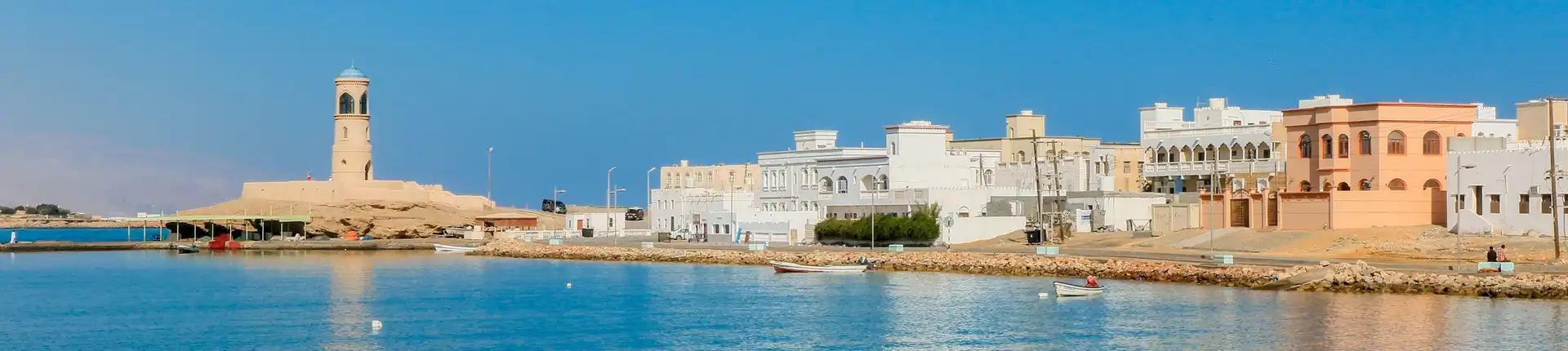
Top 7 Coastal Towns in Oman for a Quiet Weekend Escape


Stretching along thousands of kilometers where the Arabian Sea, the Gulf of Oman, and the Strait of Hormuz meet, Oman boasts one of the most diverse coastlines in the Middle East. Unlike heavily urbanized coastal destinations across the region, much of Oman’s seaside remains quiet, natural, and grounded in centuries-old maritime traditions. Here, dramatic mountain cliffs drop straight into turquoise waters, traditional wooden dhows float in peaceful harbors, and wide sandy beaches offer vast spaces to unwind away from the crowds.
For travelers looking for a slow-paced getaway, Oman's coastal towns offer the perfect balance of nature, culture, and seaside relaxation. Whether you are planning a scenic road trip or a peaceful weekend break, these seven coastal destinations showcase a wonderfully authentic side of the Sultanate.
Why Choose Oman for a Coastal Weekend Escape?
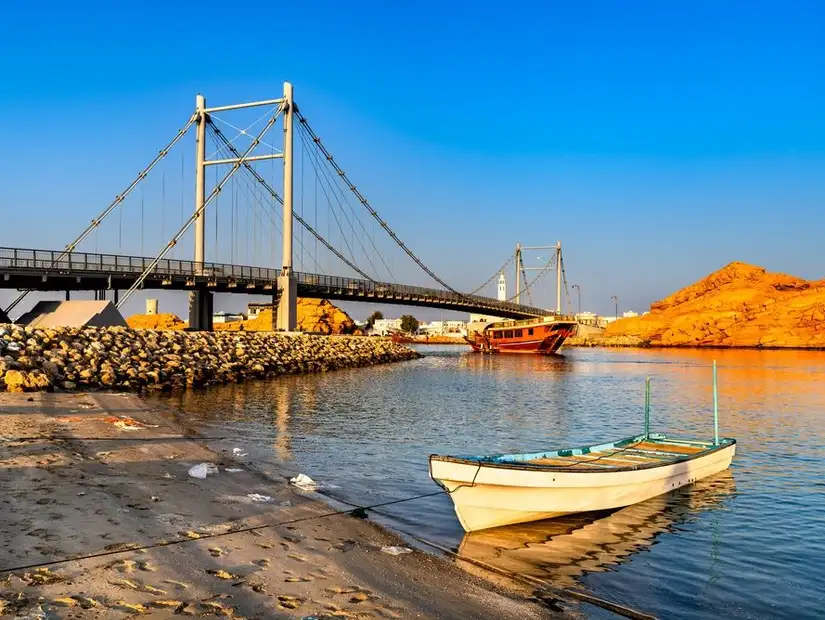
Uncrowded Natural Beaches
Many coastal stretches in Oman are uncommercialized and free from large concrete developments. This makes the coastline ideal for travelers seeking quiet beach walks, open horizons, and a tranquil environment.
Deep Maritime Heritage
Oman’s relationship with the sea spans centuries. From ancient frankincense trading ports to dhow shipbuilding yards, the country’s coastal communities maintain a strong connection to fishing, navigation, and maritime craftsmanship.
Outdoor and Marine Adventures
Oman’s coastal waters are rich in biodiversity. Visitors can spend their weekends snorkeling along coral reefs, diving with sea turtles, watching dolphins, or taking dhow cruises through quiet sea fjords.
Convenient GCC Getaway
Thanks to modern road networks and frequent short-haul flights connecting Muscat and Salalah to major GCC cities, Oman is one of the easiest weekend trip destinations for regional travelers.
1. Sur: A Historic Coastal Town with Maritime Heritage
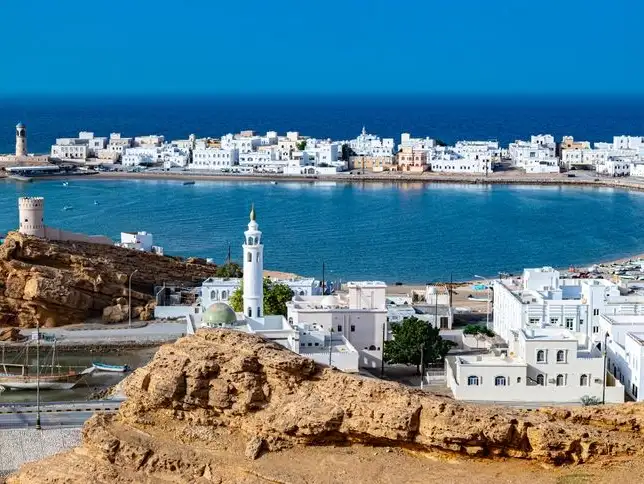
Located in eastern Oman where the Gulf of Oman meets the Arabian Sea, Sur is one of the country’s most historic port towns. Famous for centuries as a center for maritime trade with East Africa and India, Sur is best known as the birthplace of the Omani dhow.
What to Experience
Visitors to Sur can explore traditional open-air dhow yards, where craftsmen still assemble wooden ships using hand tools and centuries-old techniques. The town features a scenic corniche, white lighthouse towers, and traditional seaside homes overlooking the lagoon.
Sur also serves as an ideal base for visiting nearby natural attractions. A short drive away lies the Ras Al Jinz Turtle Reserve, a protected nesting site where endangered green sea turtles lay their eggs year-round. You can also combine your stay with day trips to Bimmah Sinkhole or the freshwater pools of Wadi Shab and Wadi Tiwi.
- Best for: Culture lovers, couples, and road trippers.
2. Salalah: A Tropical Coastal Escape in Southern Oman
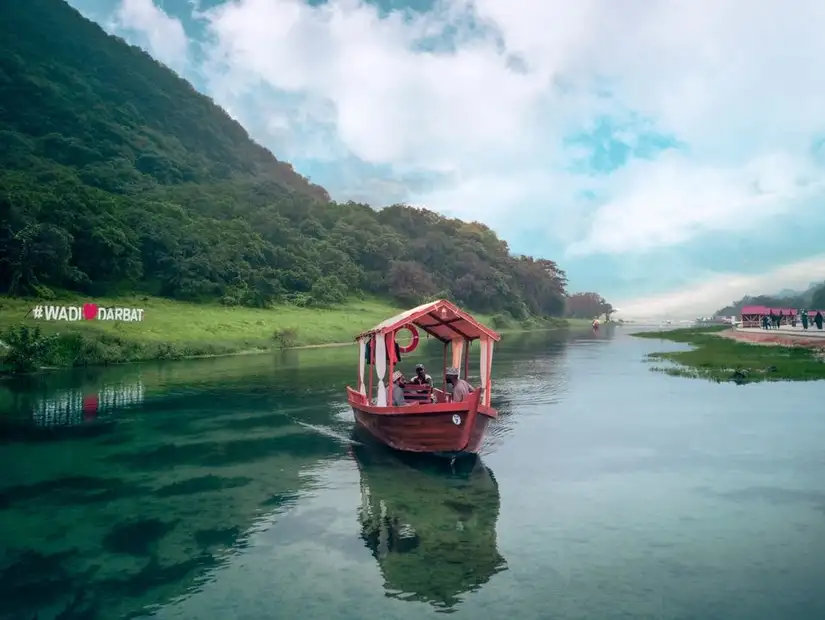
Situated in the Dhofar region of southern Oman, Salalah offers a coastal atmosphere unlike anywhere else in the Arabian Peninsula. With long palm-lined beaches, coconut plantations, and a distinct tropical climate, it is a serene coastal escape year-round.
What to Experience
Salalah’s beaches, such as Al Mughsail Beach with its sea blowholes and towering limestone cliffs, offer expansive views of the Arabian Sea. In addition to its beaches, Salalah boasts a rich frankincense heritage, ancient port ruins at Al Baleed Archaeological Park, and vibrant local souqs selling regional perfumes and spices.
During the Khareef (the summer monsoon season from June to September), Salalah transforms as gentle mists turn the surrounding mountains lush green and drop coastal temperatures significantly. During the rest of the year, Salalah offers sunny, warm beach weather with far fewer crowds.
- Best for: Families, nature enthusiasts, and travelers looking for a unique climate experience.
3. Khasab: Oman’s Fjord-Like Coastal Escape
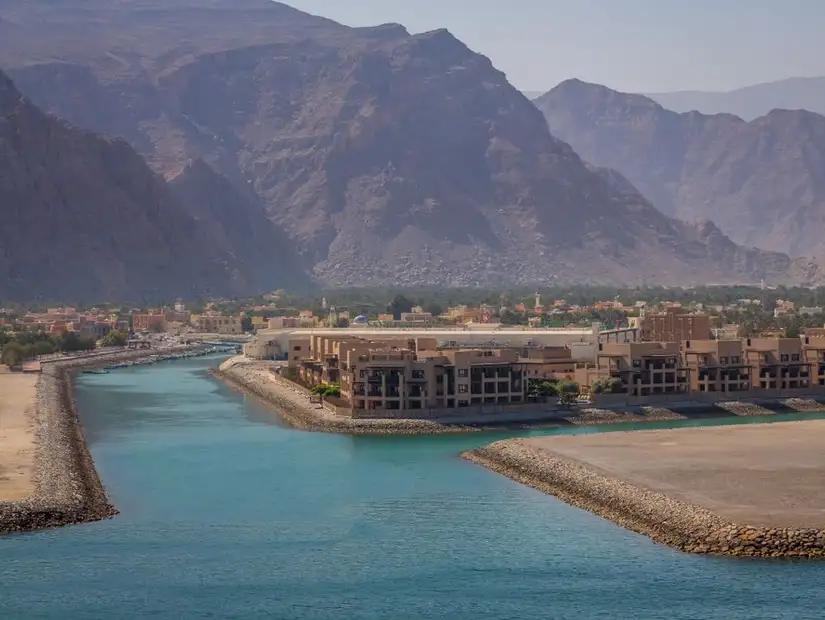
Located at the northernmost tip of Oman in the Musandam Governorate, Khasab is the gateway to some of the country’s most spectacular coastal geology. Separated from the rest of Oman by the UAE, Musandam is famous for its dramatic sea fjords (khors), where mountains rise sheer out of clear blue water.
What to Experience
The highlight of any weekend in Khasab is taking a traditional wooden dhow cruise through Khor Sham. As the boat glides through quiet, sheltered waters surrounded by high cliffs, wild humpback and bottlenose dolphins routinely swim alongside.
The calm, clear fjords provide excellent conditions for swimming, snorkeling, and diving among secluded coves. Khasab itself retains a quiet, small-town atmosphere with historic sites like Khasab Fort offering insight into local fishing and trading history.
- Best for: Adventure travelers, photographers, and water sports enthusiasts.
4. Al Ashkharah: A Quiet Beach Retreat
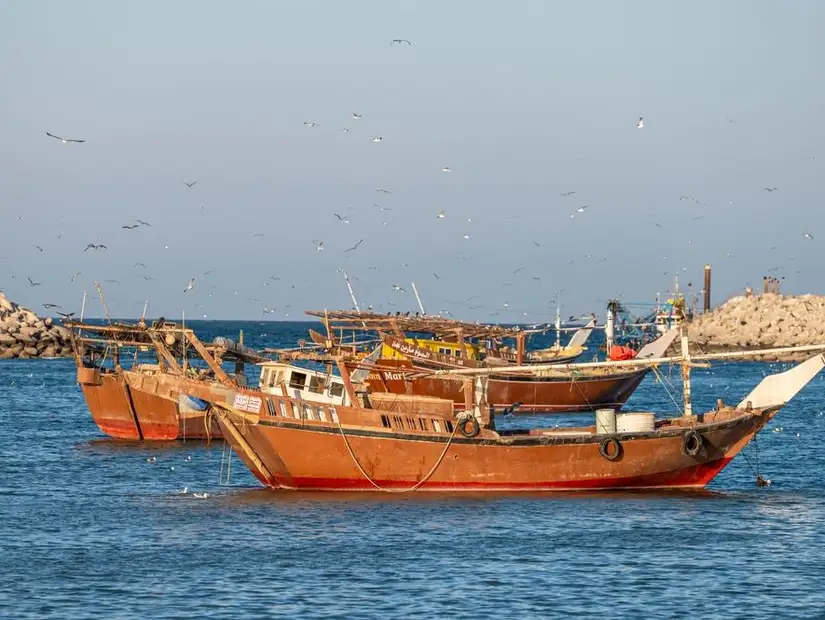
Situated along the windy Arabian Sea coast in the Al Sharqiyah South Governorate, Al Ashkharah is a traditional Omani fishing town known for its cool ocean breezes, open beaches, and slow pace of life.
What to Experience
Because of cold ocean currents off the coast, Al Ashkharah experiences noticeably cooler summer weather than inland cities, making it a favorite retreat for local travelers seeking relief from heat.
The town features long stretches of pristine sandy beaches where visitors can go for long walks, watch colorful wooden fishing boats return with their daily catch, or set up a beach camp under the stars. The relaxed atmosphere makes it an ideal spot for those who simply want to disconnect from modern routines.
- Best for: Campers, families, and travelers looking for quiet, uncrowded beaches.
5. Duqm: Oman’s Emerging Coastal Destination
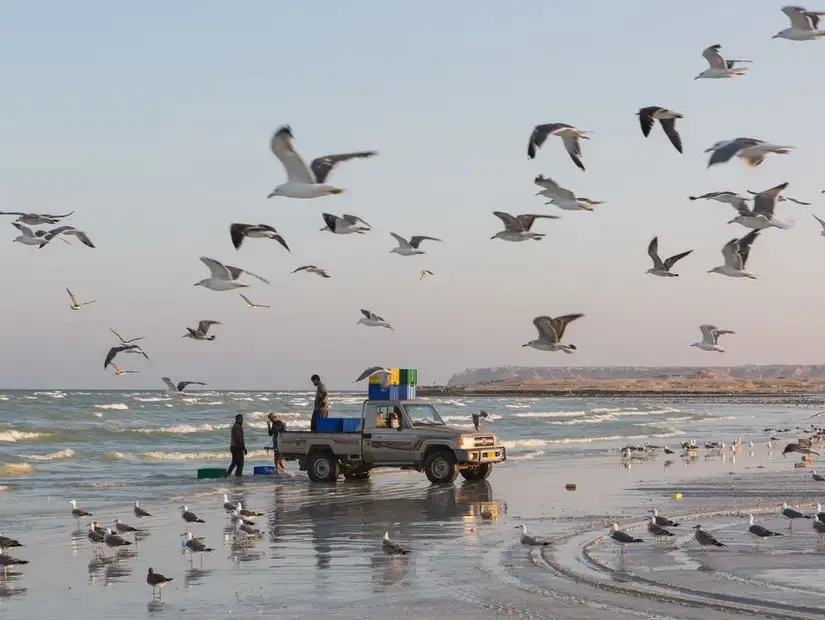
Located midway along Oman’s eastern coastline in the Al Wusta Governorate, Duqm sits on the wide shores of the Arabian Sea. While known globally as a growing economic and logistics hub, Duqm also features untouched natural coastlines, dramatic geology, and modern seaside hotels.
What to Experience
Duqm’s surrounding coastline offers scenic beaches such as Ras Madarakah, where white sand meets black volcanic rock formations and deep blue ocean waves. The area is ideal for sea fishing, surfing, beach driving, and birdwatching.
A short distance from the town center lies the Duqm Rock Garden, an unusual geological site filled with wind-sculpted limestone rock formations millions of years old.
- Best for: Road trip explorers, photographers, and nature lovers.
6. Tiwi: Where Mountains Meet the Sea
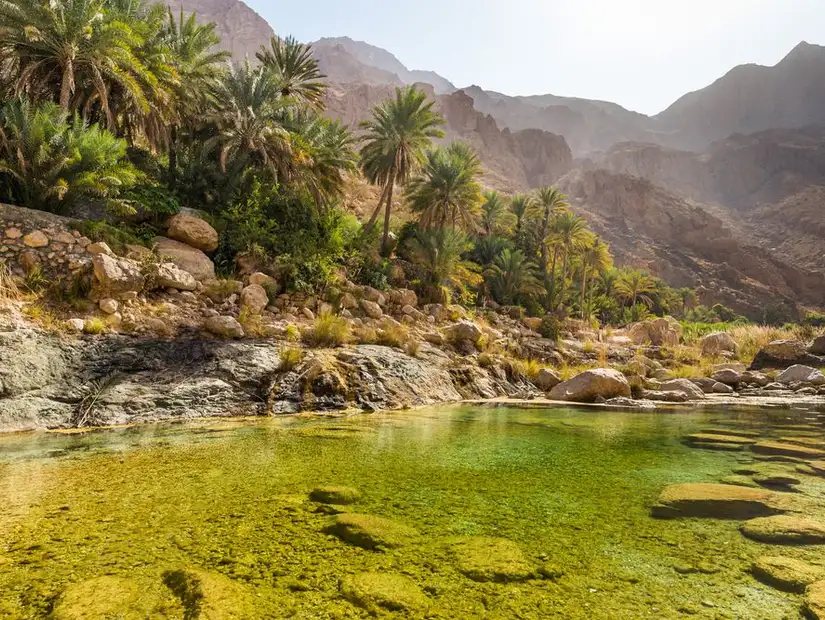
Tiwi is a picturesque coastal village positioned between Muscat and Sur, where the jagged peaks of the Eastern Hajar Mountains slope directly down to the sea coast.
What to Experience
Tiwi is famous for its coastal views and its location at the entrance to Wadi Tiwi. Visitors can spend the morning walking along pebble beaches and watching local fishermen, then head inland along the wadi to explore lush date palm plantations, emerald freshwater pools, and traditional mountain hamlets.
Because Tiwi sits near several major natural landmarks, it provides a quiet, authentic village atmosphere without sacrificing convenience.
- Best for: Hikers, nature lovers, and slow travel enthusiasts.
7. Muscat: A Coastal Capital with Traditional Charm
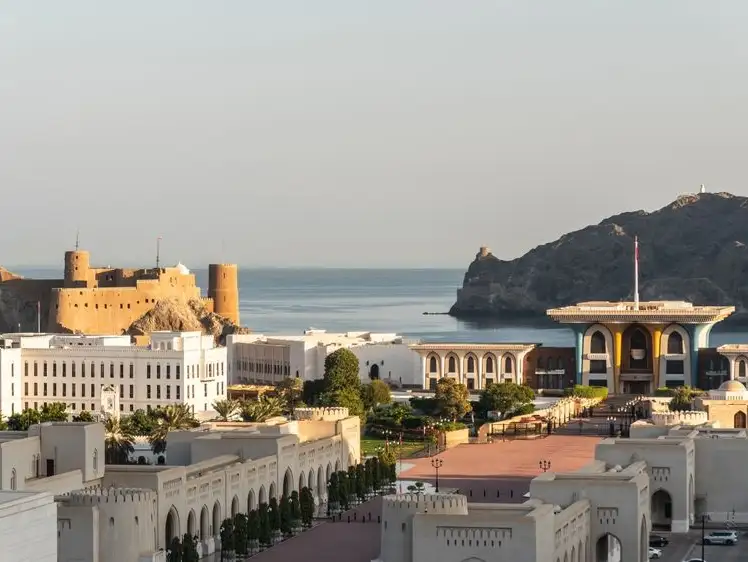
While Muscat is Oman’s capital city, its low-rise white architecture, dramatic mountain backdrop, and long beaches give it the relaxed feel of a coastal town rather than a dense metropolis.
What to Experience
Muscat offers a variety of public beaches, including Qurum Beach and Azaiba Beach, where locals gather in the late afternoon for walks and coffee. The Mutrah Corniche provides a classic waterfront walk featuring historic harbors, traditional souqs, and views of Mutrah Fort perched on the rocks.
For marine activities, head to the secluded coves of Bandar Al Khairan, located just southeast of the city center. Here, visitors can rent kayaks, go paddleboarding, or join boat tours to spot wild dolphins and dive among coral reefs.
- Best for: First-time visitors, families, and travelers wanting coastal relaxation paired with cultural sightseeing.
Best Time to Explore Oman’s Coastal Towns
October to April (Best Overall): The winter months bring pleasant temperatures (ranging between 20°C and 30°C) across most of Oman’s coastline. It is the ideal season for swimming, road trips, boat tours, and outdoor camping.
June to September (Khareef Season): While northern Oman experiences hot summer weather, southern Oman (Salalah) enters its rainy Khareef season, making it a top summer choice for cooler weather and lush scenery. Coastal towns like Al Ashkharah also enjoy cooler ocean breezes during this period.
Practical Tips for Planning an Oman Coastal Weekend
- Rent a Car for Flexibility: Renting a vehicle, preferably a 4WD if you plan to explore remote wadis or beach tracks, gives you full freedom to travel between coastal towns at your own pace.
- Plan Your Activities Around the Tides: When visiting coastal spots for snorkeling, tidal blowholes (like at Al Mughsail), or wadi swimming, check local tide charts to ensure optimal conditions.
- Respect Local Fishing Communities: Oman’s coastal towns are working communities. Avoid obstructing boat ramps, ask permission before photographing local fishermen, and wear modest swimwear when visiting public beaches near villages.
- Practice Leave-No-Trace Travel: Help preserve Oman’s marine environments by taking all trash with you when leaving remote beaches and choosing eco-friendly tour operators for turtle and dolphin watching tours.
Frequently Asked Questions
- What are the best coastal towns to visit in Oman for culture and history? Sur and Muscat are exceptional for culture, offering dhow shipbuilding yards, historic forts, museums, and traditional waterfront souqs.
- Is Oman a good destination for a weekend beach trip from the GCC? Yes. Oman is highly accessible via direct short flights to Muscat or Salalah, as well as overland border crossings from the UAE and Saudi Arabia.
- What is the best month to visit Oman’s coastal towns? October through April offers comfortable sunny weather across most northern and central coastal regions, while July and August are best for visiting Salalah during its Khareef monsoon.
- Which coastal areas in Oman are best for families? Muscat, Salalah, and Sur offer great infrastructure for families, including comfortable beach hotels, gentle swimming waters, and accessible cultural attractions.
From the historic dhow harbors of Sur to the breathtaking sea fjords of Khasab and the tropical beaches of Salalah, Oman’s coastal towns offer a peaceful escape defined by natural beauty and warm hospitality. Whether you want to swim in clear turquoise waters, discover local maritime heritage, or simply watch the sunset over an uncrowded beach, the Sultanate's coastline provides an unforgettable journey. Ready to start planning your coastal getaway? Find great deals on flights to Oman and special travel offers by visiting WINGIE today.
You may also like:
- Top Mountain Villages in Oman
- An Ultimate Guide to Jebel Akhdar in Oman
- Top Attractions in Muscat
- An Ultimate Guide to Henna Art in the MENA Region
- Top Spots for Urban Night Photography in the MENA Region
- Top Green Hotels and Resorts in the MENA Region for Eco-Friendly Stays
- Top Libraries in the MENA Region
- Top Spice Souqs in the MENA Region
- The Most Famous Castles in the MENA Region
- The Most Beautiful Natural Wonders in the MENA Region
- Top Camping Destinations in the MENA Region
- Best 15 Cities in Morocco to Visit
- Top 10 Family-Friendly Destinations
- Top Amusement Parks in Lebanon
- Top Attractions in Jordan
- Top 10 Restaurants in Cairo
- Top Oases in the MENA Region
- Top Destinations for the Eid Holiday in the MENA Region
- Top Archaeological Destinations in the MENA Region
- Top Diving Destination in the MENA Region
- Top Desert Safari Destinations in the MENA Region

