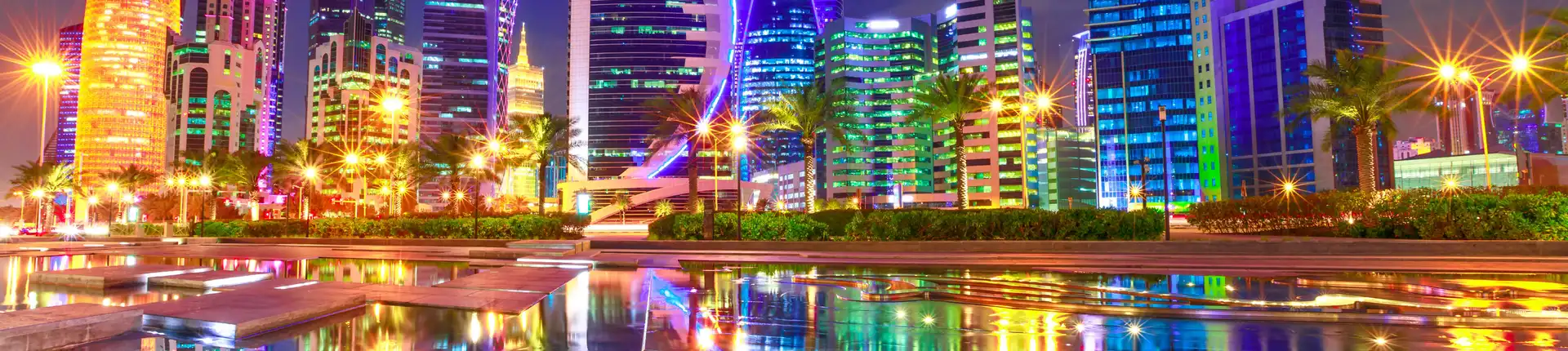
Top Spots for Urban Night Photography in the MENA Region


The Gulf is a destination that transforms after sunset. When daytime temperatures begin to drop, Dubai and Doha reveal a completely different personality. Glass towers become illuminated landmarks, waterfront districts reflect thousands of city lights, and modern architecture creates a new atmosphere that is impossible to experience during the day.
For photographers, this is when the cities truly come alive. The combination of dramatic skylines, waterfront reflections, futuristic buildings, and carefully designed lighting makes Dubai and Doha two of the most exciting destinations for night photography in the Middle East.
Dubai’s Neon Canvas: Best Night Photography Locations
Dubai’s skyline is built for nighttime photography. The city’s combination of skyscrapers, highways, waterfront areas, and architectural landmarks creates a wide range of compositions, from long exposure light trails to colorful reflections. For the best results, plan your photography sessions between sunset and late evening when buildings are illuminated but the city still has enough activity to create movement.
Sheikh Zayed Road Footbridges: Capturing Dubai’s Light Trails
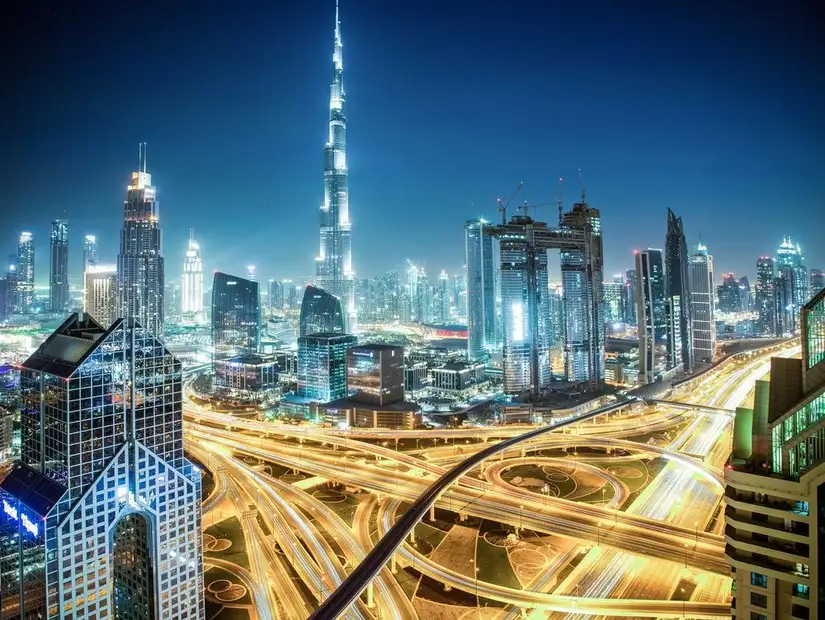
Few scenes capture Dubai’s urban energy better than the glowing streams of traffic moving along Sheikh Zayed Road. From elevated pedestrian bridges and selected viewpoints along the highway, photographers can create striking long exposure images that showcase vehicle light trails flowing between Dubai’s iconic skyscrapers. This photography style highlights the contrast between movement and architecture, with the static lines of towering buildings balanced by the dynamic red and white trails created by passing cars. The best time to capture these scenes is between 7:00 PM and 10:00 PM, when traffic is heavier and creates more dramatic light movement.
Dubai Marina Promenade: Reflections Between Water and Skyscrapers
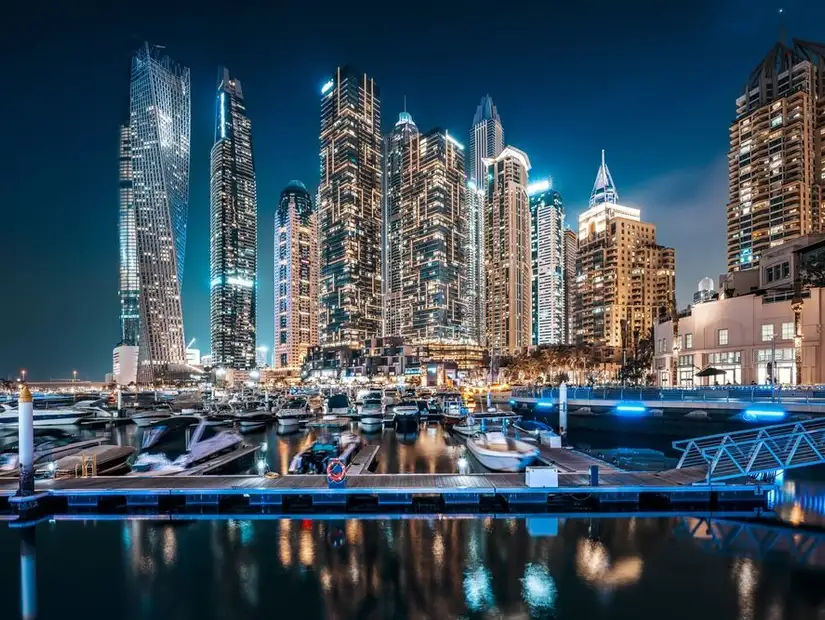
The Dubai Marina is one of the best locations for urban photography after sunset, offering a cinematic combination of illuminated residential towers, luxury yachts, and waterfront walkways. The calm marina waters often reflect the surrounding city lights, creating opportunities for balanced and symmetrical compositions. The best viewpoints include the marina promenade, bridges crossing the canals, and waterfront areas facing the tallest towers, where photographers can capture the full scale of Dubai’s modern skyline. The ideal time to visit is during blue hour, around 20 to 40 minutes after sunset, when the sky still has color while the city lights begin to stand out.
Pro tip: For reflection shots, try a long exposure setup with a shutter speed of 1 to 5 seconds, an aperture between f/5.6 and f/8, and keep the ISO as low as possible to maintain image quality. Smartphone photographers can use night mode and stabilize their phones against a railing or solid surface for sharper results. For cleaner compositions with fewer distractions, visit on weekday evenings, as weekends can be significantly busier around restaurants and waterfront areas.
Museum of the Future: Photographing Dubai’s Most Distinctive Night Landmark
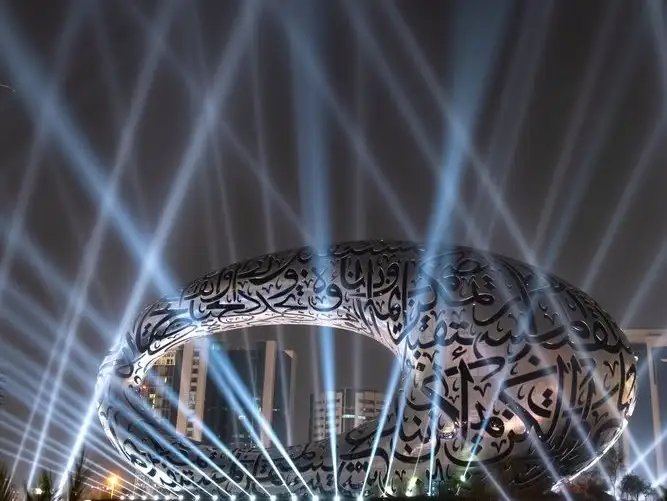
The Museum of the Future is one of Dubai’s most recognizable examples of modern architecture and offers a unique subject for night photography. After sunset, its stainless-steel exterior transforms into a glowing canvas featuring Arabic calligraphy displayed through thousands of illuminated panels. The building’s curved design creates dynamic perspectives and creative angles, especially when combined with the surrounding city lights and urban landscape. The best viewpoints include the main entrance area, nearby pedestrian paths around the building, and wider compositions that include the movement of traffic along Sheikh Zayed Road.
Doha’s Illuminated Horizon: Best Night Photography Locations
Doha offers a different nighttime atmosphere from Dubai. While Dubai focuses on vertical skyscrapers and futuristic architecture, Doha combines modern skyline views with cultural spaces, waterfront landscapes, and traditional design elements.
For photographers searching for the best photography spots in Doha, the city provides a balance between contemporary architecture and heritage-inspired scenes.
The Pearl-Qatar Marina: Luxury Reflections by the Water
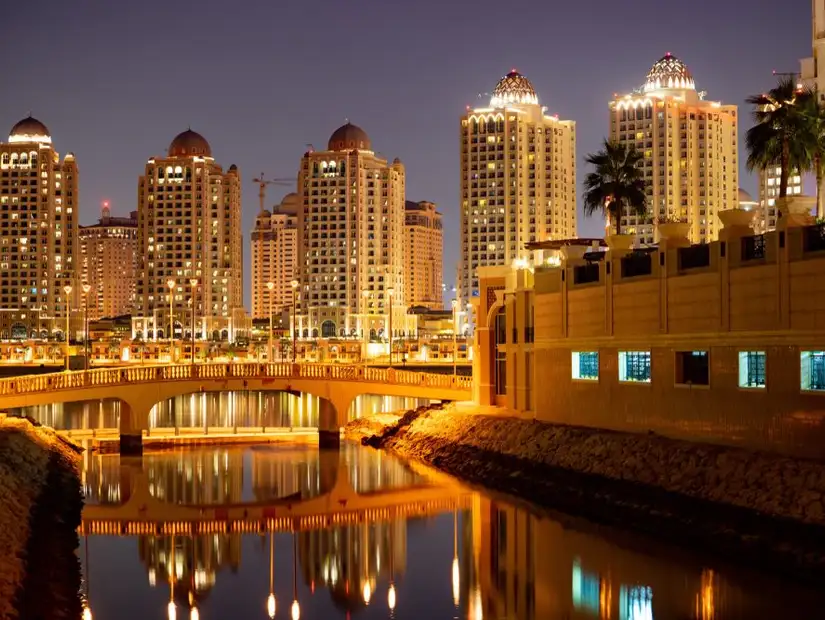
The Pearl-Qatar is one of Doha’s most popular waterfront photography locations, offering a sophisticated urban atmosphere with a mix of luxury yachts, illuminated buildings, restaurants, and scenic pedestrian areas. After dark, the marina comes alive with reflections of city lights on the water, creating excellent opportunities for capturing elegant waterfront compositions. The best viewpoints include the marina walkways, waterfront seating areas, and bridges overlooking the yacht docks, where photographers can capture the relationship between the architecture, water, and surrounding lights. The ideal time to visit is after sunset, especially during blue hour or later in the evening when the marina lighting creates striking reflections.
Katara Cultural Village: Traditional Architecture Under Night Lighting
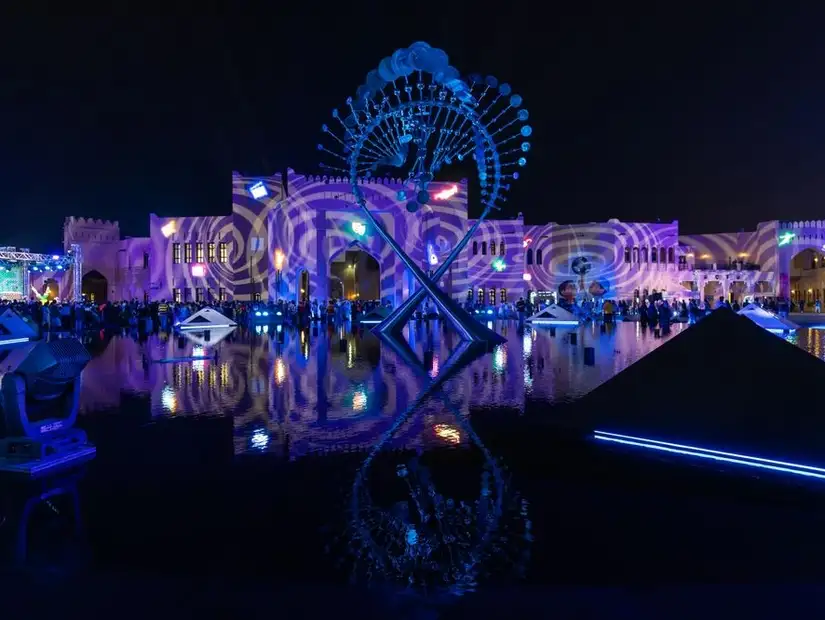
Katara Cultural Village offers a completely different perspective on urban photography in Doha. Instead of focusing only on skyscrapers, Katara combines traditional architectural details, cultural spaces, pathways, and dramatic lighting to create a unique setting where heritage and modern city design come together. Photographers can capture a variety of subjects, including traditional facades, courtyards, the amphitheater area, and illuminated walkways. The best time to visit is early evening when there are fewer visitors and the lighting creates stronger contrasts across the surroundings. For more creative compositions, use architectural details as foreground elements and incorporate background lights to add depth and dimension to your images.
MIA Park Vista: Doha’s Skyline Reflected Across the Water
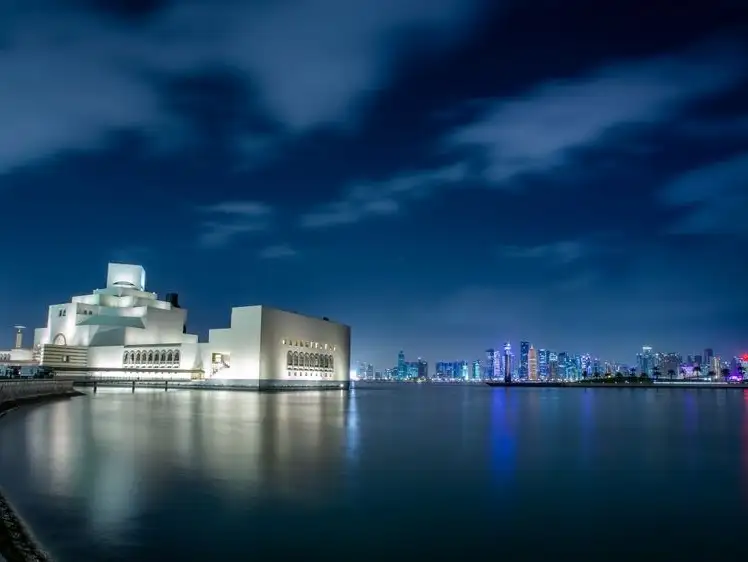
Located beside the Museum of Islamic Art, MIA Park offers one of the most iconic views of Doha’s skyline. From the waterfront, photographers can capture the illuminated towers of West Bay across the water, creating a wide panoramic cityscape that showcases the contrast between modern architecture and Doha’s peaceful waterfront atmosphere. The best viewpoint is from the open waterfront areas facing West Bay, where the skyline can be captured with minimal obstruction. For the best results, visit after sunset when the city lights are fully visible and the buildings create a striking reflection across the water.
Composition tip:
Include some foreground elements such as the waterfront or promenade lights to create a stronger sense of scale.
Pro Tips for Night Photography in the Middle East
- Prepare for the unique conditions of Dubai and Doha. Night photography in these cities comes with challenges such as warm temperatures, high humidity, and intense city lighting, which can affect both camera equipment and image quality.
- Bring the Right Gear
- Managing Heat and Humidity
- Respect Local Photography Guidelines
- Experience the Gulf After Dark
- Carry a tripod for stable long exposure shots. A tripod is essential for capturing sharp skyline images, light trails, and other low-light scenes.
- Use a wide-angle lens for expansive city views. A wide-angle lens helps capture impressive architecture, large urban landscapes, and detailed skyline compositions.
- Keep a lens cloth or microfiber cloth with you. Humidity can cause condensation to form on lenses, so having a cloth available allows you to quickly clean and maintain image clarity.
- Consider using a variable ND filter for creative shots. A variable ND filter can help achieve longer exposures, especially when photographing waterfront areas, moving lights, or artistic city scenes.
- Be prepared for condensation when moving between different environments. In summer, the contrast between air-conditioned interiors and humid outdoor conditions can cause moisture to build up on camera lenses.
- Keep your camera inside your bag for a few minutes before stepping outdoors. This helps your equipment adjust gradually to temperature changes and reduces the risk of fogging.
- Avoid opening your camera immediately after leaving a cold indoor space. Allowing your camera to acclimate first can help prevent condensation issues.
- Carry a microfiber cloth for quick maintenance. A simple cleaning cloth can help remove moisture and keep your lens clear during your photography session.
- Follow local photography rules and customs. Dubai and Doha are generally welcoming destinations for photographers, but travelers should always be aware of local guidelines and respect the surrounding environment.
- Avoid photographing security facilities or restricted areas. Some locations may have photography restrictions, so it is important to pay attention to signs and local instructions.
- Ask for permission before photographing people. Respecting personal privacy is an important part of responsible travel photography.
- Respect private properties and commercial spaces. Always ensure that photography is allowed before capturing images in privately owned locations.
- Check local regulations before using professional equipment. Certain locations may have specific requirements for tripods, commercial shoots, or advanced photography setups.
- Discover a different side of the Middle East after sunset. Dubai and Doha transform at night, offering unique photography opportunities through their illuminated skylines, modern architecture, and vibrant city scenes.
- Capture a variety of urban landscapes. From highway light trails and waterfront reflections to iconic buildings glowing against the night sky, both cities provide endless possibilities for creative photography.
- Explore two different visions of the modern Gulf through a multi-city trip. Dubai offers a dynamic, high-energy skyline filled with towering landmarks, while Doha combines contemporary design with cultural heritage and a more balanced urban atmosphere.
Whether you are a professional photographer, a content creator looking for your next social media shot, or simply a traveler who enjoys capturing cities from a different perspective, both destinations offer countless opportunities after dark. Planning a multi-city Gulf adventure is also easier with WINGIE, where travelers can compare flight options and create routes that connect destinations like Dubai and Doha in one journey.
You may also like:
- Top Green Hotels and Resorts in the MENA Region for Eco-Friendly Stays
- Top Libraries in the MENA Region
- Top Spice Souqs in the MENA Region
- The Most Famous Castles in the MENA Region
- The Most Beautiful Natural Wonders in the MENA Region
- Top Camping Destinations in the MENA Region
- Best 15 Cities in Morocco to Visit
- Top 10 Family-Friendly Destinations
- Top Amusement Parks in Lebanon
- Top Attractions in Jordan
- Top 10 Restaurants in Cairo
- Top Oases in the MENA Region
- Top Destinations for the Eid Holiday in the MENA Region
- Top Archaeological Destinations in the MENA Region
- Top Diving Destination in the MENA Region
- Top Desert Safari Destinations in the MENA Region

