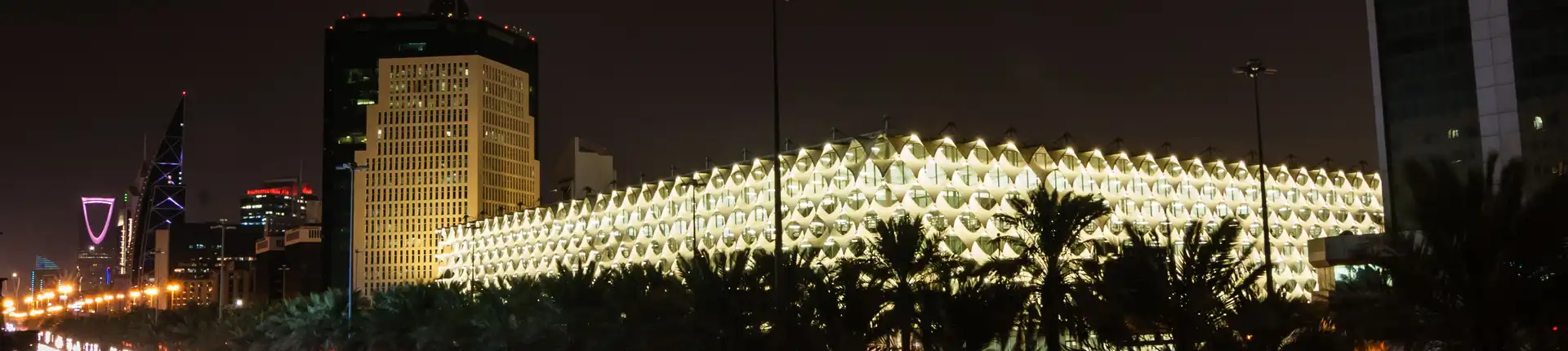
Top Libraries in the MENA Region


Libraries across the Gulf are becoming landmarks in their own right. They are places to read, research and meet, but they also offer some of the region’s most memorable public architecture. In Doha, a vast open interior unfolds beneath folded white planes. In Riyadh, a historic library sits inside a contemporary textile-like structure. In Dubai, a giant book rest rises beside the Creek. In Sharjah, gardens, shade and glass make reading part of a slower day outdoors.
This is not only a list of bookshelves. It is a journey through light, space, geometry and local identity. For travelers who enjoy architecture, photography and quieter cultural stops, a Gulf library trail can add a thoughtful new layer to a city break. In this article, we will explore four of the best libraries in the Gulf, with practical ideas for building a cultural itinerary around Doha, Riyadh, Dubai and Sharjah.
Why Gulf Libraries Are Worth Travelling For
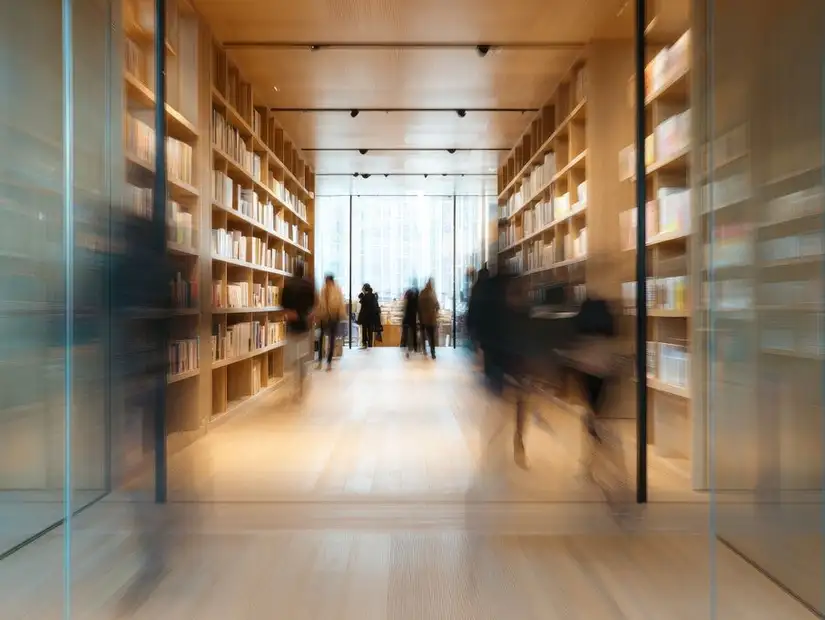
Across the Gulf, libraries are designed as public cultural destinations, with exhibitions, events, learning spaces, gardens, cafés and children’s areas alongside their collections.
Their architecture responds to the region itself. Filtered daylight softens bright conditions, deep overhangs create shade, and geometric façades reinterpret familiar patterns. These are places for public life, not only for storage.
Arrive early, spend time looking up as well as around, and treat the building as part of the experience. Keep voices low in reading areas, dress respectfully, and ask before taking photographs. Rules can differ between spaces and exhibitions.
Qatar National Library, Doha
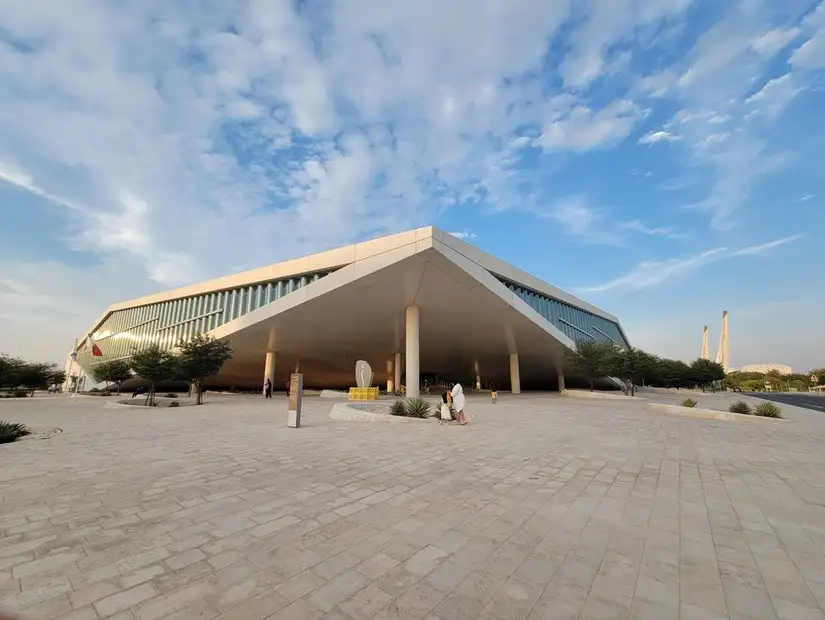
Qatar National Library is one of the defining cultural buildings in Education City. Designed by Rem Koolhaas, the structure is often described as two sheets of paper pulled apart and folded diagonally at the corners. Inside, it becomes expansive, bright and unexpectedly open.
The main reading area is the reason to visit. Bookshelves rise in broad terraces, creating a landscape of knowledge rather than a series of enclosed rooms. Daylight reaches deep into the interior, while the pale material palette makes the space feel almost weightless. It is a strong example of architecture in Doha that turns a library into a public experience.
Look closely at the contrast between scale and detail. The open-plan layout feels monumental, yet the shelving keeps the building human. The heritage collection adds another layer, connecting the contemporary structure to Qatar’s manuscripts, maps and regional history.
Allow around two hours for a relaxed visit. The library is in Education City, with access from Qatar National Library Metro Station on the Green Line. Pair it with Mathaf: Arab Museum of Modern Art, the Education City Mosque or a campus walk.
King Fahad National Library, Riyadh
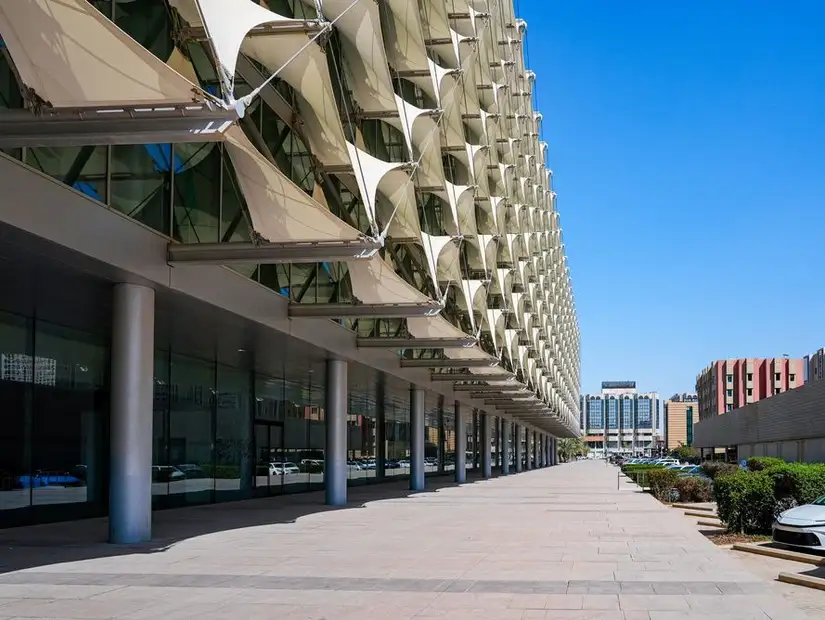
King Fahad National Library is a key stop for anyone exploring Riyadh architecture. Its visual impact comes from a dialogue between two eras. The original library remains at the centre, while a larger contemporary structure wraps around it like a protective screen.
The outer façade is the essential detail. Rhomboid textile awnings and white membranes create a patterned surface that changes with daylight. The design takes inspiration from traditional tent structures and Middle Eastern geometry, using a modern steel cable system to control light and shade. It rewards a slow walk around the exterior, particularly when the sun picks out the rhythm of the façade.
This is more than a library visit. It is an example of contemporary architecture built around an existing structure rather than replacing it. That layered approach gives the building its character.
Plan for around an hour, allowing extra time if reading spaces are accessible during your visit. The library is in the Olaya area and is served by King Fahd Library Station on the Riyadh Metro. Check current entry procedures and opening hours before you go.
Mohammed Bin Rashid Library, Dubai
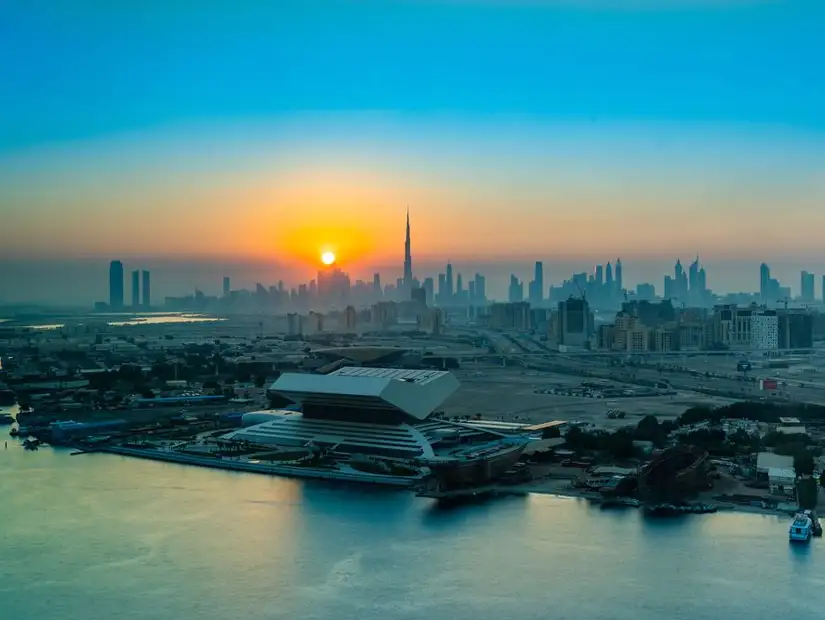
On the edge of Dubai Creek, Mohammed Bin Rashid Library has one of the city’s most recognizable cultural silhouettes. Its form is inspired by the rehl, the traditional wooden stand used to hold the Quran. The result is bold, almost sculptural, but it still makes sense as a building devoted to books.
The scale is part of its appeal. This is a landmark, yet it is also a working public cultural space with collections, exhibitions, learning areas and a dedicated media and arts library. For travelers, it offers a quieter side of Dubai, far from the city’s more obvious skyline views.
Allow at least 90 minutes, or longer if you want to visit an exhibition. The library is in Al Jaddaf beside Dubai Creek, close to Jameel Arts Centre. Pair it with a Creek-side walk, the arts center or an Old Dubai afternoon across the water. Entry is generally free, although visitors should bring identification and check current access rules before arrival.
House of Wisdom, Sharjah
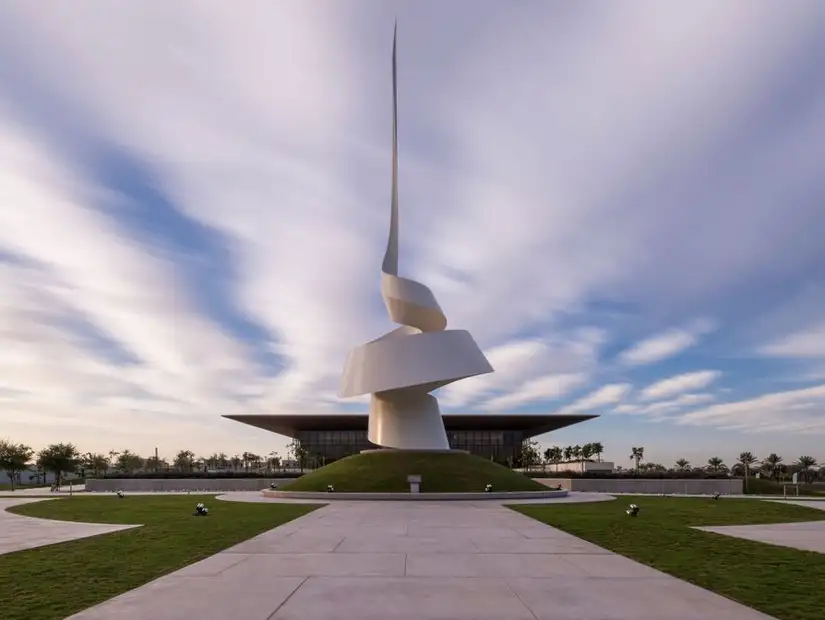
House of Wisdom brings a lighter, more contemporary mood to the trail. Designed as a social hub for learning, it is not only for readers and researchers. Families, students and slow travelers can browse, attend an event or simply spend time in the gardens.
The architecture is calm rather than dramatic. A broad, shaded roof creates a sheltered edge around the glass building, while a planted central courtyard brings light and greenery into the experience. It feels designed for a climate where being outdoors is often about finding the right balance of shade, breeze and pause.
House of Wisdom fits naturally into Sharjah’s wider cultural scene. It has talks, workshops and activities, making it a good choice for families as well as design-focused visitors. The surrounding gardens are especially appealing later in the day when the light becomes softer.
Plan for 90 minutes to two hours. Check the schedule if you are visiting during Ramadan, public holidays or for a specific event. Combine it with a coffee on site, then make time for Sharjah’s museums, galleries or heritage areas.
Build Your Own Gulf Library Trail

In the UAE, Dubai and Sharjah make an easy one-day culture break. Begin at Mohammed Bin Rashid Library in the morning, continue along Dubai Creek or stop at Jameel Arts Centre, then head to House of Wisdom for a slower late afternoon. Allow time for traffic between the two cities.
For an architecture-first weekend, Doha is the strongest choice. Make Qatar National Library the centerpiece, then explore Education City by metro, tram or on foot. Add Mathaf and other design-focused cultural stops over two days.
Riyadh works well for travelers discovering a rapidly evolving city. Use King Fahad National Library as an early stop in Olaya, then build the day around galleries, cafés and contemporary architecture. The metro makes the area easier to reach, but it is still worth checking local transport and visitor arrangements before leaving your hotel.
In every city, check opening hours close to your travel date, particularly on Fridays, public holidays and during Ramadan. Photography is often permitted in public areas, but tripods, professional equipment, exhibition galleries and reading rooms may have restrictions.
Quick Tips

- Are Gulf libraries open to tourists? Many welcome visitors, but some facilities, borrowing services and reading rooms may require registration or identification. Check the official visitor page before you go.
- Can visitors take photos inside? Usually in selected public areas, but rules vary. Avoid photographing visitors, staff, children or rare collections, and ask permission where signs request it.
- Which library is best for architecture lovers? Qatar National Library is the strongest choice for a dramatic interior and spatial experience. King Fahad National Library stands out for its façade and its dialogue between heritage and modern design.
- Which library is most suitable for families? House of Wisdom is an especially good option for families thanks to its gardens, community programming and welcoming social spaces. Mohammed Bin Rashid Library also has dedicated children’s facilities.
Turn your next city break into a cultural itinerary. Start with a flight, then build your library trail with WINGIE. To experience these, book your flight now on WINGIE and explore the region’s most unforgettable markets with exclusive prices and special offers.
You may also like:
- Top Spice Souqs in the MENA Region
- The Most Famous Castles in the MENA Region
- The Most Beautiful Natural Wonders in the MENA Region
- Top Camping Destinations in the MENA Region
- Best 15 Cities in Morocco to Visit
- Top 10 Family-Friendly Destinations
- Top Amusement Parks in Lebanon
- Top Attractions in Jordan
- Top 10 Restaurants in Cairo
- Top Oases in the MENA Region
- Top Destinations for the Eid Holiday in the MENA Region
- Top Archaeological Destinations in the MENA Region
- Top Diving Destination in the MENA Region
- Top Desert Safari Destinations in the MENA Region

