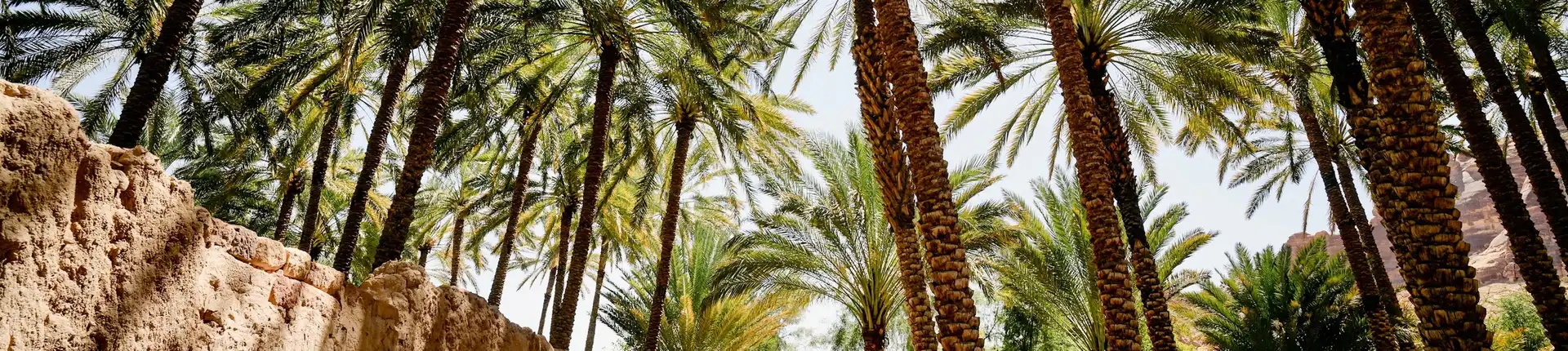
Top Green Hotels and Resorts in the MENA Region for Eco-Friendly Stays


Luxury travel in the UAE and Saudi Arabia is changing. A reusable towel card or paper straw is no longer enough to define a responsible stay. Conscious travellers now look for credible certification, resource management, conservation work and practical ways to take part during their trip.
A genuinely green hotel considers water, energy and waste alongside the landscape, community and guest experience. This guide includes independently certified properties and stays with clearly documented conservation, heritage-preservation or low-impact design programs.
What Makes a Hotel Truly Eco-Friendly?
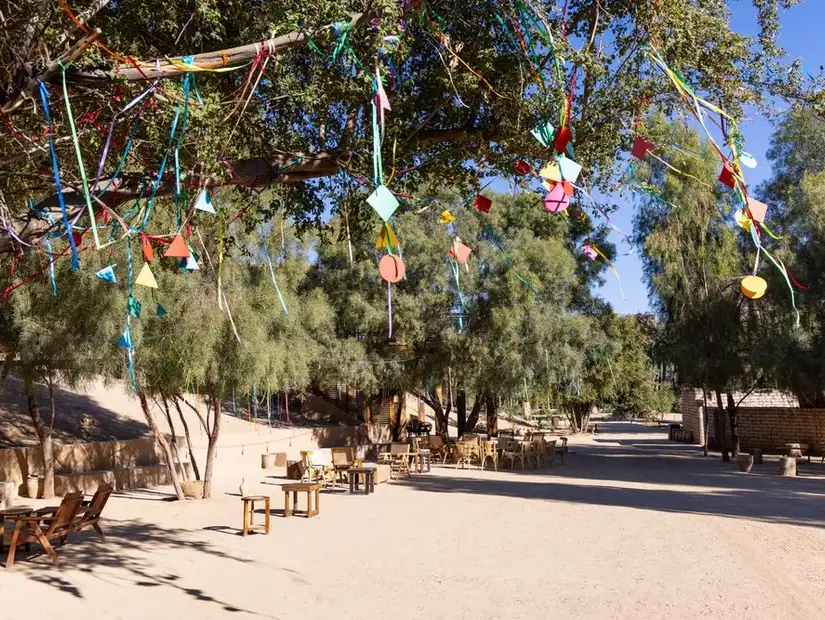
Certification is the best starting point. Green Key assesses hotel operations across water, energy, waste, procurement and guest awareness. EarthCheck benchmarks tourism properties and destinations. LEED focuses on building design and performance, while Green Globe covers environmental, social, cultural and economic criteria.
Still, a logo alone is not enough. Look for practical detail: water-saving systems, renewable energy, food-waste measurement, plastic reduction, local sourcing or active conservation partnerships.
A quick greenwashing checklist:
- Is there a current third-party certification or named standard?
- Does the hotel explain water, energy and waste management?
- Are conservation or community programs specific and measurable?
- Can guests see or join sustainable practices?
Green Hotels in the UAE
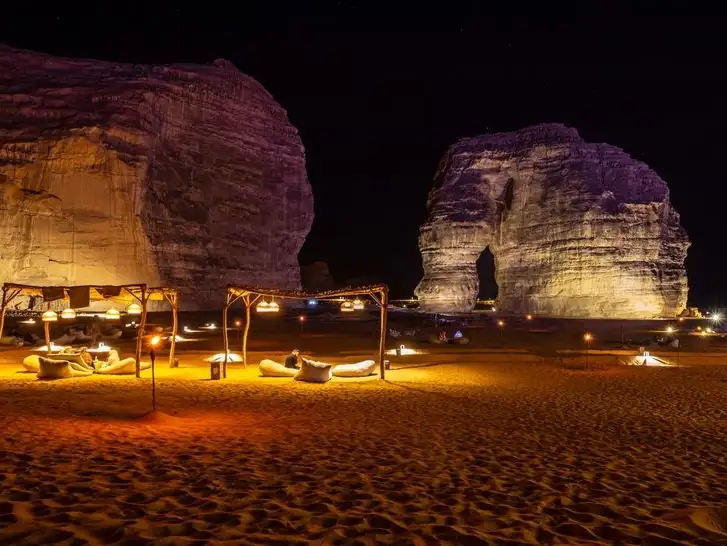
From Dubai city hotels to Abu Dhabi’s coast and Ras Al Khaimah’s desert reserve, the UAE offers different ways to choose a more considered stay.
Hotel Indigo Dubai Downtown
Hotel Indigo offers a central city stay with practical low-impact operations, making it a strong choice for travelers looking to explore Dubai more responsibly. The hotel holds Green Key certification and has introduced programs focused on reducing water consumption, energy use and waste. It is particularly suited for art-led city breaks and visitors looking for convenient access to Dubai Mall. Located around 15 minutes by road from Dubai International Airport, the hotel also supports sustainable guest habits through features such as reusable water bottles and an opt-in linen and towel reuse program.
Rove Downtown
Rove is a value-focused Dubai hotel where responsible travel is made simple and accessible. Recognized with Green Key certification, the hotel has implemented initiatives including plastic reduction, food-waste composting and paper-light digital operations. It is a great option for first-time visitors who want an easy base for exploring the city. The hotel is approximately 15 minutes by road from Dubai International Airport and offers guest-friendly sustainability features such as complimentary filtered-water refill stations, bamboo key cards and refillable bathroom amenities.
Jumeirah Saadiyat Island Resort, Abu Dhabi
Jumeirah Saadiyat Island Resort provides a coastal escape designed with the surrounding environment in mind. Located along Saadiyat Island’s sensitive shoreline, the resort has received recognition including Ocean Champion, Sustainability Steward and Straw Free certifications, while supporting sustainability through water stations, composting initiatives and reduced plastic usage. It is ideal for travelers seeking a beach holiday with a focus on marine conservation. Zayed International Airport is around 30 minutes away by road, and guests can take part in refill programs and educational initiatives that encourage reducing plastic consumption.
The Ritz-Carlton Ras Al Khaimah, Al Wadi Desert
The Ritz-Carlton offers a nature-focused retreat set within a protected desert reserve. The property is part of Ras Al Khaimah’s EarthCheck-certified destination and aligns with the Responsible RAK tourism framework, reflecting its commitment to sustainable hospitality practices. Best suited for travelers looking for desert landscapes, wildlife encounters and a slower-paced getaway, the resort is around 30 minutes by road from Ras Al Khaimah International Airport. Guests can also enjoy guided nature experiences that provide insight into the unique ecosystem of the reserve.
Sustainable Hotels in Saudi Arabia
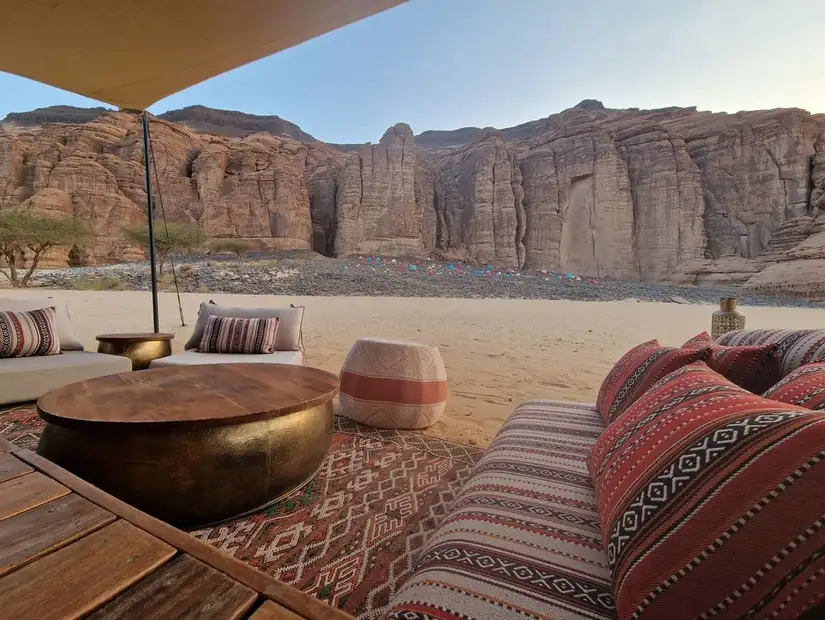
Saudi Arabia’s sustainable-stay landscape is moving quickly, from regenerative coastal tourism at The Red Sea to heritage restoration and desert retreats in AlUla. The properties below combine independently verified credentials with documented environmental or cultural-preservation approaches.
Six Senses Southern Dunes, The Red Sea
A leading certification-led choice for desert luxury and wellbeing. Six Senses holds LEED Platinum and GSTC certification, and runs on 100 percent renewable electricity. Guests can enjoy a high-end stay powered by the destination’s solar infrastructure.
The St. Regis Red Sea Resort
A private-island choice for couples and special occasions. The resort was developed in accordance with LEED Platinum certification standards and sits within The Red Sea’s regenerative tourism model. Its marine setting makes conservation feel close to the guest experience.
Nujuma, a Ritz-Carlton Reserve, The Red Sea
Nujuma combines secluded island luxury with a clear sustainability story. It is LEED Platinum certified and forms part of the conservation-led Red Sea destination. It suits travelers who want marine experiences alongside a highly private villa stay.
Turtle Bay Hotel, The Red Sea
For travelers who prioritize recognized standards, Turtle Bay holds Green Key and Mostadam Diamond certification. Its resource-management approach is embedded into operations, making it a practical example of how the destination’s environmental goals work beyond headline luxury.
Shebara Resort, The Red Sea
Shebara is a design-led island stay for milestone trips. It is part of The Red Sea, which holds EarthCheck Sustainable Destinations certification. That destination-level recognition covers renewable power, conservation, community impact and responsible tourism performance.
Desert Rock Resort, The Red Sea
Desert Rock is for travelers who prefer mountains to beaches. Its architecture is integrated with the natural terrain, giving the stay a landscape-first feel. It also sits within the EarthCheck-certified Red Sea destination, rather than claiming the credential individually.
Our Habitas AlUla
This Ashar Valley retreat puts nature, wellness and culture first. Its story centers on low-disruption construction and organic materials, while villas are designed to blend into the scenery. It is best for guests who want the desert landscape to remain the focus.
Banyan Tree AlUla
Banyan Tree AlUla brings tented-villa luxury to Ashar Valley. It suits couples and wellness-led getaways, particularly for travelers who want outdoor experiences and an immersive visual connection with the desert. Its positioning is landscape-sensitive, rather than certification-led.
Dar Tantora The House Hotel, AlUla
The guide’s strongest heritage-preservation stay. Restored mudbrick dwellings in AlUla Old Town have been adapted into a boutique hotel with minimal modern technology. Guests stay inside historic homes shaped by local architecture and climate, not a newly built resort.
Fairmont Riyadh
A certified urban choice for business trips and short Riyadh stays. Green Globe certification supports work around waste segregation, plastic reduction, water management and energy efficiency. It is ideal for travelers who want a more responsible option without leaving the city.
How to Make Your Hotel Stay More Sustainable
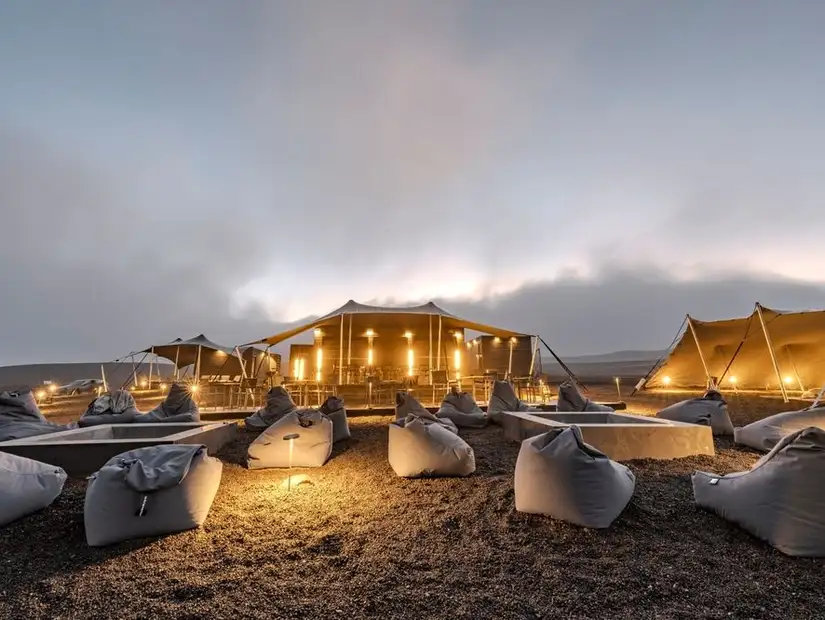
Bring a refillable bottle, decline unnecessary towel and linen changes, and use public transport, shared transfers or hotel transport where practical. Choose direct flights when they fit the route, support local dining and crafts, and ask hotels direct questions when no certification is displayed.
Frequently Asked Questions
- Are sustainable hotels always more expensive? No. Certified city hotels and value-led brands can offer lower-impact stays at different price points.
- What does Green Key certification mean? It shows a tourism property has met audited sustainability criteria and renews its certification regularly.
- How can I verify a hotel’s claims? Check the certifier’s directory, the hotel’s sustainability page and the detail behind each initiative.
- Which UAE emirate is best for nature? Ras Al Khaimah suits desert and mountain stays, while Abu Dhabi is strong for coast and wildlife.
- Are all sustainable hotels independently certified? No. Some are included for conservation, heritage reuse or low-impact design.
- What is regenerative tourism at The Red Sea? It is a destination approach that aims to build conservation, community impact and renewable energy into tourism development.
Sustainable travel in the MENA region is evolving, with hotels and resorts combining luxury, conservation and responsible practices. By choosing stays with verified sustainability efforts and making mindful choices during their journey, travelers can enjoy meaningful experiences while supporting a more sustainable future for tourism. To experience these, book your flight now on WINGIE and explore the region’s most unforgettable markets with exclusive prices and special offers.
You may also like:
- Top Libraries in the MENA Region
- Top Spice Souqs in the MENA Region
- The Most Famous Castles in the MENA Region
- The Most Beautiful Natural Wonders in the MENA Region
- Top Camping Destinations in the MENA Region
- Best 15 Cities in Morocco to Visit
- Top 10 Family-Friendly Destinations
- Top Amusement Parks in Lebanon
- Top Attractions in Jordan
- Top 10 Restaurants in Cairo
- Top Oases in the MENA Region
- Top Destinations for the Eid Holiday in the MENA Region
- Top Archaeological Destinations in the MENA Region
- Top Diving Destination in the MENA Region
- Top Desert Safari Destinations in the MENA Region

