An Ultimate Guide to Riyadh’s Evolution Through Architecture


Riyadh’s skyline tells the story of a city transforming at remarkable speed. Across the Saudi capital, sand-toned concrete structures from the second half of the 20th century stand alongside glass towers, smart districts, and ambitious urban developments shaped by Vision 2030. The contrast is striking: one architectural era reflects institution building and national modernization, while the other represents a future focused on technology, sustainability, and global connectivity.
For travelers interested in architecture, Riyadh offers a rare opportunity to explore a city where the past and future exist side by side. A walk through the capital reveals how buildings have evolved from powerful government landmarks into innovative urban environments designed for a new generation.
The Brutalist Era: Concrete, Identity, and Ambition
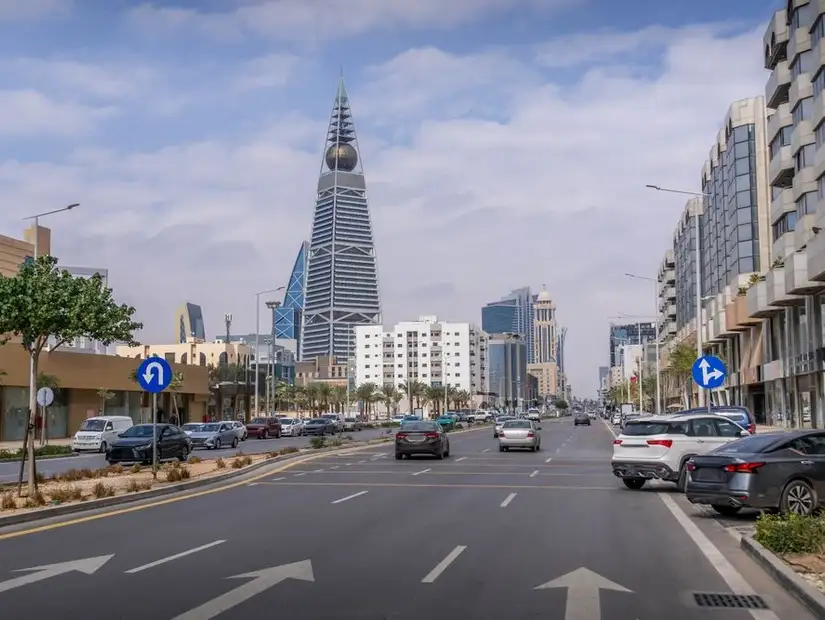
During Riyadh’s rapid expansion in the 1970s and 1980s, architecture became a symbol of progress. Large-scale government and cultural buildings introduced bold geometric forms, exposed concrete surfaces, and monumental designs that reflected the confidence of a growing capital.
While not every building from this period belongs strictly to the Brutalist movement, many share characteristics associated with Brutalist and modernist architecture: strong geometric shapes, heavy materials, and an emphasis on structure.
These buildings remain important landmarks because they capture a specific moment in Riyadh’s history, when architecture was used to express national development and institutional strength.
King Faisal Foundation Building: Modernism with Geometric Precision
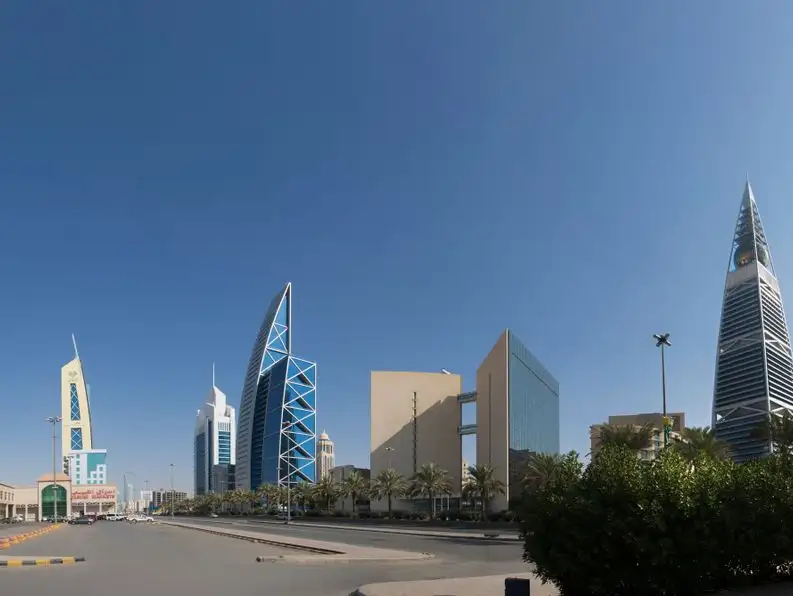
Located along King Fahd Road, the King Faisal Foundation Building is one of Riyadh’s most recognizable architectural landmarks. Designed by Japanese architect Kenzo Tange, the complex was completed in the 1980s and combines modernist principles with regional influences. Its most distinctive feature is the large triangular opening that cuts through the tower, creating a memorable balance between solid structure and open space.
The building represents a transitional period in Riyadh’s architectural identity, when international design approaches were being adapted to the cultural and environmental context of Saudi Arabia.
Best area to explore: The King Fahd Road and Al Olaya areas offer several viewpoints where older landmarks can be photographed alongside newer additions to Riyadh’s skyline.
Ministry of Interior Building: A Landmark of Geometric Architecture
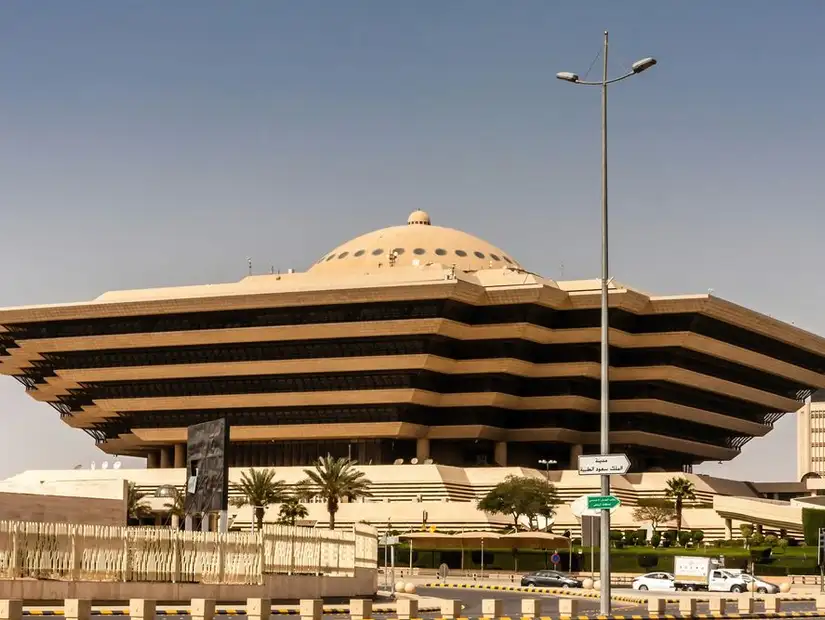
The Ministry of Interior Building is one of the most distinctive government buildings in Riyadh. Completed in the early 1990s, the building is known for its inverted truncated pyramid form topped with a dome. Its unusual silhouette has led visitors to associate it with futuristic shapes, with some referring to it as a “Flying Saucer” or “Spaceship.”
Unlike conventional towers that communicate height, the building creates impact through shape and scale. It remains an example of how Riyadh’s architecture used bold forms to represent authority and modernity.
Travel note: Photography rules can vary around government facilities. Always check local guidance and avoid photographing restricted areas.
The Futuristic Skyline: Riyadh’s Vision 2030 Transformation
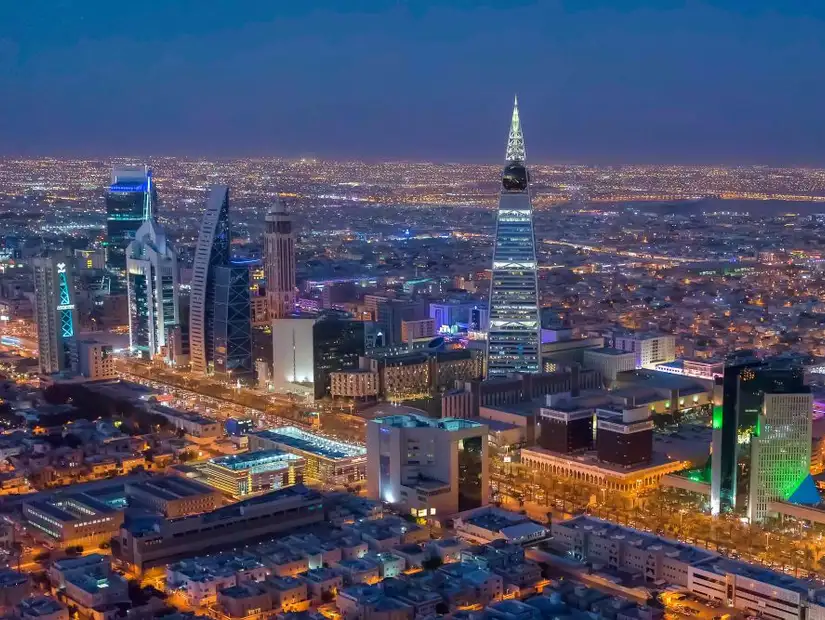
Riyadh’s newest architectural chapter reflects a different ambition. As the city develops into a regional hub for business, tourism, and culture, new projects are introducing advanced infrastructure, sustainable design, and contemporary urban planning. The result is a skyline where earlier monuments are now joined by buildings designed around connectivity, efficiency, and new ways of experiencing urban life.
Kingdom Centre and Al Faisaliyah Center: The Start of a New Skyline
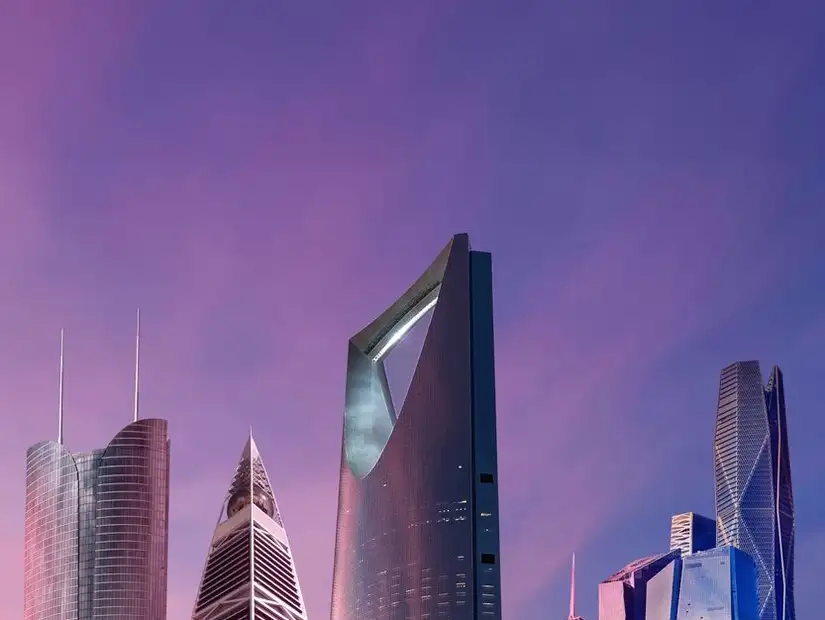
The arrival of Kingdom Centre and Al Faisaliyah Center marked an important shift in Riyadh’s visual identity. The Kingdom Centre became internationally recognized for its distinctive sky bridge and curved opening, while Al Faisaliyah Center introduced a unique glass sphere feature within its tower design.
Together, these buildings represent the period when Riyadh began developing a more vertical and internationally recognizable skyline.
King Abdullah Financial District: A Future-Focused Urban Hub
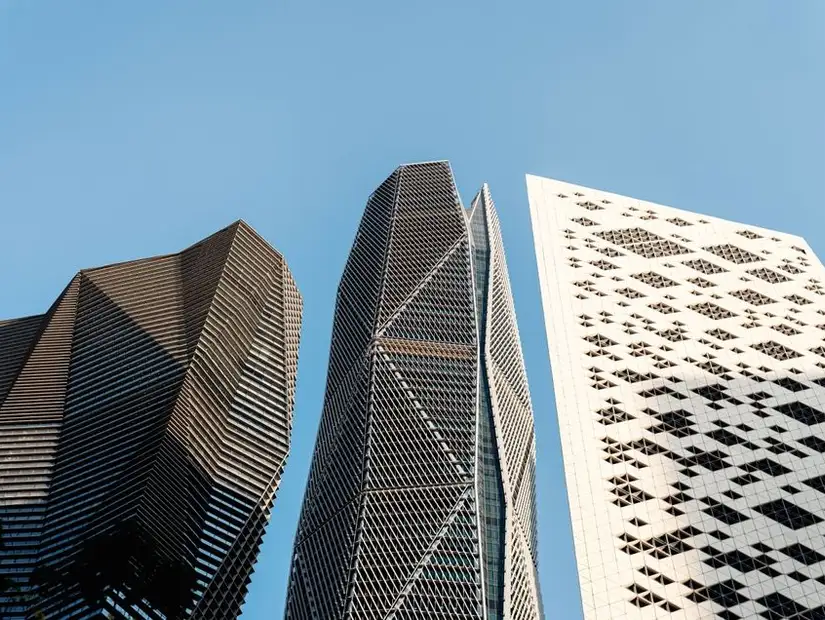
The King Abdullah Financial District, known as KAFD, represents Riyadh’s move toward integrated urban development. Located in the Al Aqeeq neighborhood, KAFD combines office spaces, residences, hospitality, retail, and public areas into a mixed-use district. The development includes 95 buildings designed by international architecture firms and incorporates sustainability-focused infrastructure.
Unlike earlier landmarks that stand as individual architectural statements, KAFD was planned as a complete urban environment. Its pedestrian areas, digital infrastructure, and sustainable design features reflect a broader shift toward future-ready cities.
Diriyah Gate: Bringing Najdi Architecture Into the Future
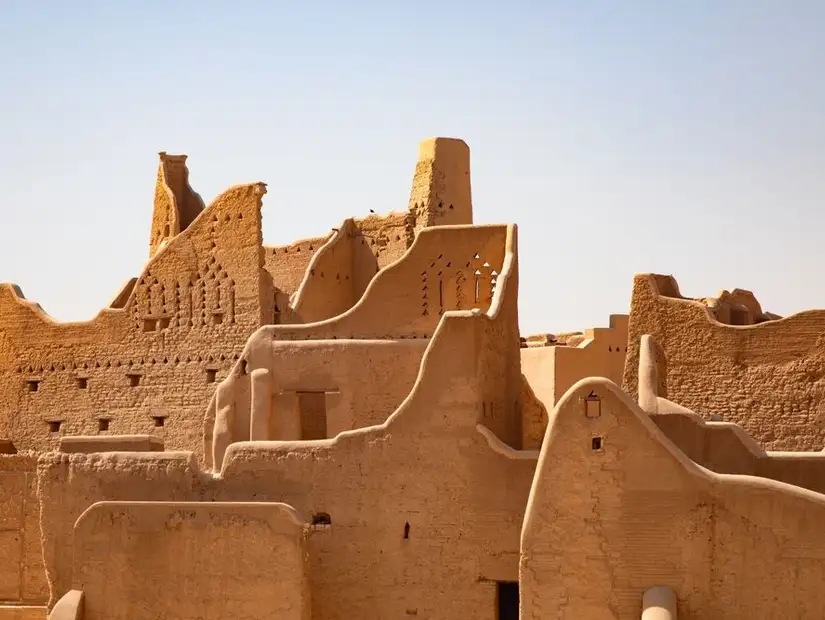
Riyadh’s architectural transformation is not only about new construction. Another important part of the city’s evolution is the effort to preserve and reinterpret traditional design.
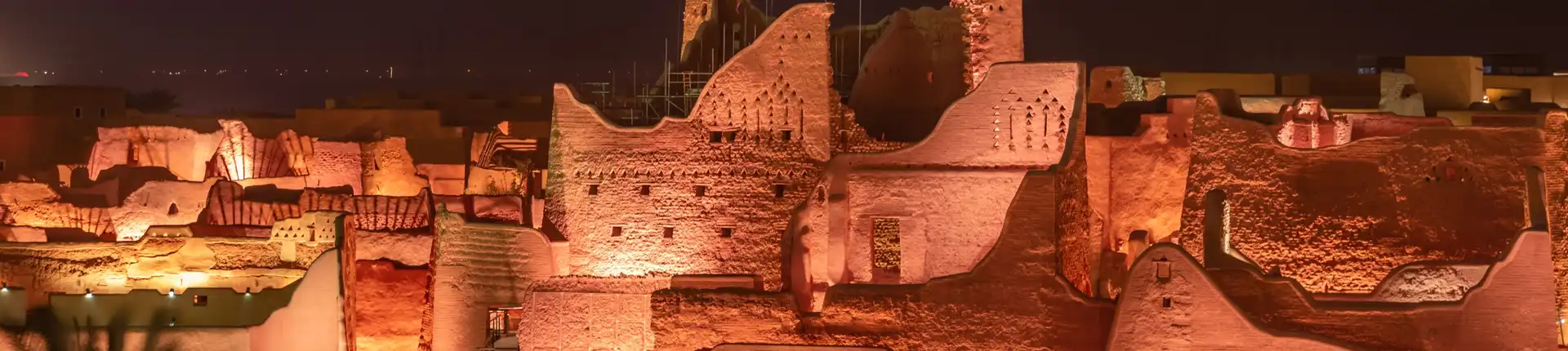
Located near Riyadh, Diriyah Gate represents a different approach to modernization. Instead of focusing on glass towers and futuristic forms, the project draws inspiration from traditional Najdi architecture, including mud-brick structures, local materials, and regional design elements.
The area demonstrates how heritage can become part of a modern destination experience. For travelers, visiting Diriyah provides a completely different architectural perspective from Riyadh’s financial districts and skyscrapers.
Practical Tips for a Riyadh Architecture Tour
Riyadh offers a unique blend of traditional heritage and contemporary design. With the right planning, visitors can discover the city’s most remarkable architectural landmarks while making the most of their time. To make the most of your visit, consider these practical tips for planning your route, getting around Riyadh, and exploring its architectural landmarks:
- Plan Your Route by District
Riyadh is a large city, so organizing your visit by neighborhood will help you make the most of your time.
- Al Olaya District: This area is a great choice for architecture enthusiasts, with recommended stops including Kingdom Centre, Al Faisaliyah Center, and the King Faisal Foundation Building.
- King Fahd Road Area: This area is recommended for visitors looking for skyline views, government architecture landmarks, and photography stops.
- KAFD Area: This district offers opportunities to explore contemporary architecture, sustainable urban design, and impressive evening city views.
- Diriyah: This destination is ideal for experiencing traditional Najdi architecture and heritage experiences.
- Getting Around Riyadh
Because Riyadh covers a large area, taxis, ride-hailing services, and rental cars are practical options for architecture-focused trips. A well-planned route can help visitors combine multiple landmarks in one day while avoiding unnecessary travel between districts. - Photography Etiquette
Riyadh offers many opportunities for architecture photography, but visitors should always be respectful of local rules.Keep these tips in mind:
- Avoid photographing security-sensitive locations.
- Check local guidance before photographing government buildings.
- Ask permission before photographing people.
- Use public viewpoints whenever possible.
- Visit landmarks during sunrise or sunset for the best natural lighting.
Riyadh’s buildings reveal more than changing design trends. They show how a city’s priorities evolve over time. From modernist landmarks built during a period of national growth to sustainable districts shaped by Vision 2030, the capital’s architecture reflects different chapters of Saudi Arabia’s development. For architecture enthusiasts and curious travelers, Riyadh offers the chance to experience a city actively writing its next chapter. Reaching Riyadh is also easier than ever. Travelers can compare flight options and book Riyadh flights with WINGIE before beginning an architectural journey through the city.
You may also like:
- An Ultimate Guide to Qasr Al-Hukm
- An Ultimate Guide to Riyadh Mall
- 10 Best Brunch / Breakfast Restaurants in Riyadh
- A Comprehensive Guide to Al Nakheel Mall in Riyadh
- A Comprehensive Guide to Hayat Mall in Riyadh
- Top 7 Malls in Riyadh
- Top 20 Family-Friendly Destinations in Riyadh
- Top 10 Restaurants in Riyadh
- Top 10 Attractions in Riyadh
- Al Nakheel Park and Top 6 Activities to Do
- Guide to Taibah Markets in Riyadh
- Guide to Riverwalk in Riyadh

