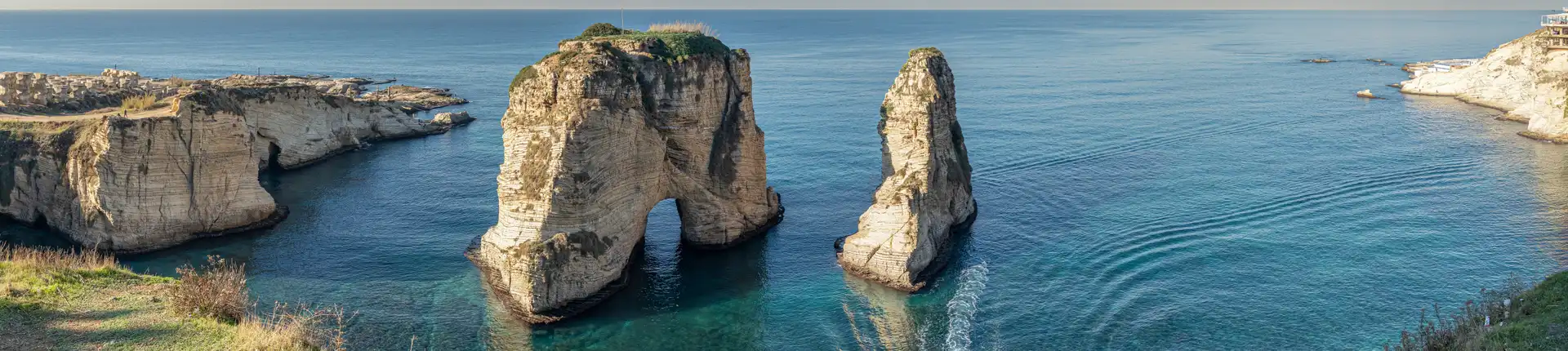
An Ultimate Guide to Lebanon


Nestled along the eastern shore of the Mediterranean, Lebanon is a country where dramatic geographic contrasts meet thousands of years of human history. Within a remarkably compact distance, the landscape transitions seamlessly from sun-drenched coastal harbors to snow-capped mountain ranges and green cedar valleys. In fact, it is one of the few places in the world where you can theoretically ski in the mountains in the morning and swim in the sea by the afternoon.
Beyond its stunning scenery, Lebanon is celebrated for its deep cultural roots, ancient Phoenician and Roman heritage, and world-renowned culinary scene. Whether you are wandering through historic stone markets, enjoying an endless mezze spread overlooking the sea, or taking in the mountain air surrounded by ancient forests, Lebanon offers an unforgettable travel experience.
Why Visit Lebanon?
Paradise for Food Lovers
Lebanese cuisine is a cornerstone of the country's national identity and a primary reason travelers visit. Grounded in fresh Mediterranean ingredients, aromatic herbs, olive oil, and centuries of regional culinary traditions, meals here are a social celebration. From street-side bakeries serving piping hot manakish to elaborate multi-course mezze lunches, food in Lebanon connects travelers directly to local culture.
Mountains Within Reach of the Coast
Lebanon’s unique topography features two mountain ranges the Mount Lebanon range and the Anti-Lebanon range, running parallel to the Mediterranean coastline. Because the mountains rise sharply right from the shore, travelers can easily combine beach towns, mountain hiking, and historic village stays without spending long hours on the road.
Thousands of Years of Layered History
Throughout history, Lebanon was a vital hub for major civilizations, including the Phoenicians, Romans, Byzantines, Mamluks, and Ottomans. This rich heritage is visible everywhere, from ancient port cities and medieval crusader castles to historic monasteries carved into cliff faces.
Top Attractions in Lebanon
1. Beirut: A City of Food, Culture, and Coastal Views
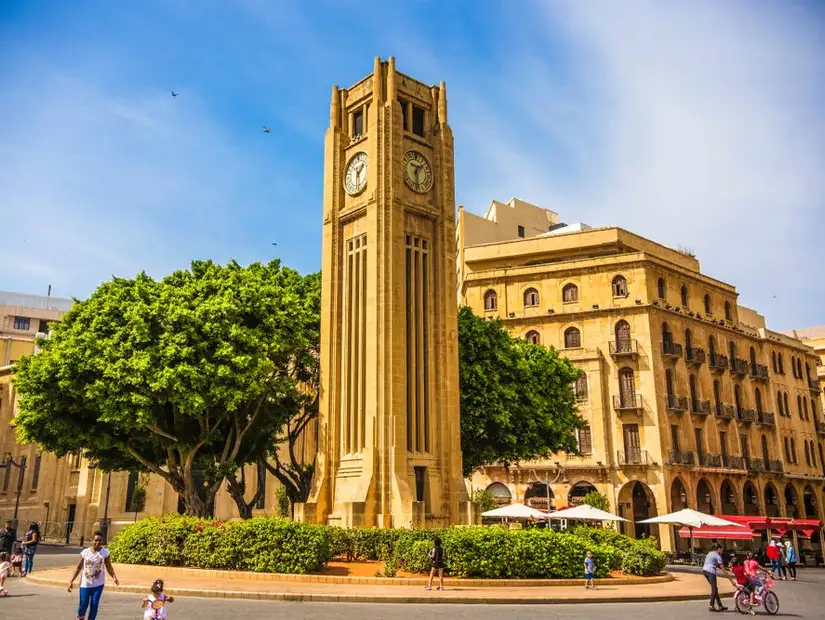
As Lebanon’s vibrant capital, Beirut is a dynamic city where modern energy, historic architecture, and Mediterranean seaside charm converge. Situated on a peninsula extending into the sea, Beirut serves as the cultural, artistic, and culinary heart of the country.
Key Highlights
- Gemmayzeh and Mar Mikhael: These historic residential neighborhoods are famous for their traditional 19th-century architecture, vibrant art galleries, boutique shops, and some of the city's best cafes and restaurants.
- The Corniche and Pigeon Rocks (Raouche): The city’s famous seaside promenade is ideal for late afternoon walks. It offers sweeping views of the Mediterranean and the iconic Raouche Sea Rock formations standing offshore.
- Downtown Beirut: A reconstructed historic center featuring Ottoman-era buildings, Roman baths, and the striking Mohammad Al-Amin Mosque.
Food Experience
Beirut is a culinary capital. Indulge in classic mezze spreads featuring hummus, tabbouleh, kibbeh, and grilled skewers at long-standing traditional institutions, or visit neighborhood bakeries for early-morning manakish topped with fresh za'atar and akawi cheese.
2. Byblos (Jbeil): An Ancient Coastal Port
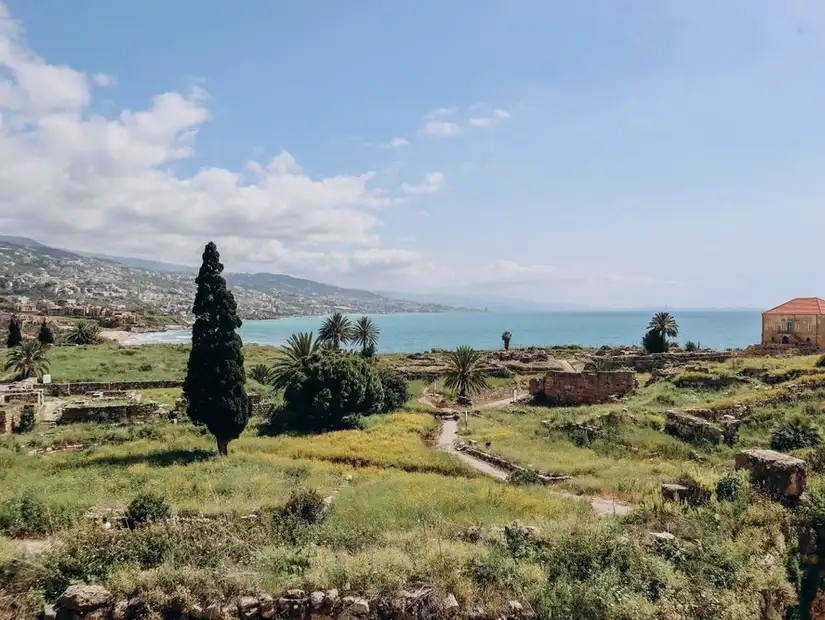
Located just 37 kilometers north of Beirut, Byblos (known locally as Jbeil) is recognized as one of the world's oldest continuously inhabited cities. Founded around 5000 BCE, this ancient Phoenician port town seamlessly blends archaeological sites with a charming coastal atmosphere.
Key Highlights
- Byblos Castle: A 12th-century Crusader fortress built using stones excavated from ancient Roman and Phoenician structures, offering sweeping views over the harbor and old city.
- Old Souk: A beautifully restored cobblestone marketplace lined with bougainvillea, local craft shops, outdoor cafes, and seafood restaurants.
- Historic Port: A picturesque, ancient stone harbor where traditional wooden fishing boats sit against the blue backdrop of the Mediterranean.
Food Experience
Byblos is famous for its seaside dining. Enjoy freshly caught Mediterranean fish, calamari, and mezze at open-air seafood restaurants sitting right along the stone edge of the old harbor.
3. Jeita Grotto: An Underground Natural Wonder
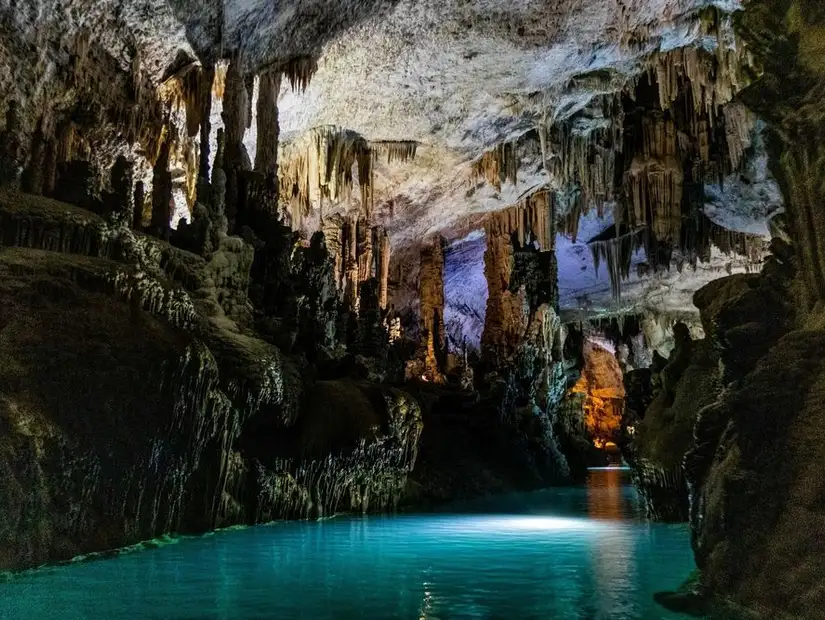
Situated in the Nahr al-Kalb valley, approximately 18 kilometers broad-north of Beirut, Jeita Grotto is a breathtaking system of two separate, interconnected limestone caves spanning nearly 9 kilometers. It stands as one of the Middle East’s most magnificent natural formations.
What to Experience
- The Upper Cave: Walk along raised footbridges through a massive chamber filled with world-record-sized stalactites, stalagmites, and soaring limestone columns illuminated by soft artistic lighting.
- The Lower Cave: Experience an underground lake journey via small electric boats that glide through a quiet subterranean river.
4. Jounieh and Harissa: Bay Views and Cable Car Journeys
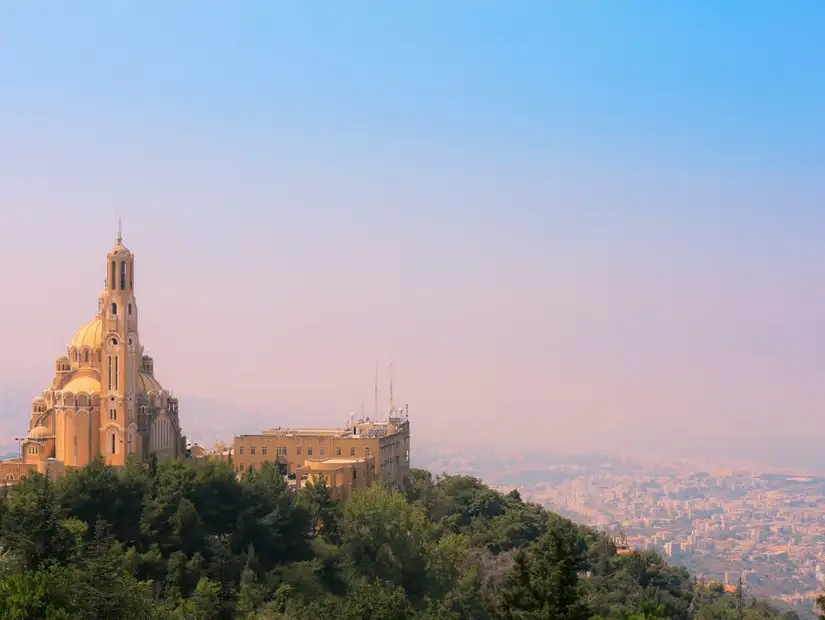
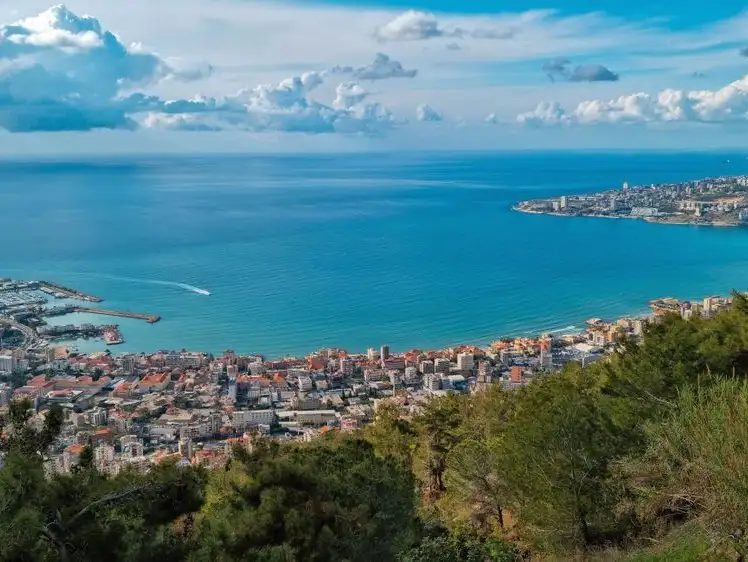
Nestled along a dramatic sweeping bay about 15 kilometers north of Beirut, Jounieh is a popular coastal city backed by steep, pine-covered mountains that rise sharply from the water edge.
Key Highlights
- Téléférique (Cable Car): Take the iconic cable car ride from the coastal strip of Jounieh up the steep mountain slope, enjoying panoramic views over Jounieh Bay and the Mediterranean coastline.
- Our Lady of Lebanon (Harissa): Positioned at the summit of the mountain in Harissa, this famous sanctuary features a large white bronze statue of the Virgin Mary overlooking the bay, providing one of the most celebrated viewpoints in the country.
Food Experience
Jounieh’s waterfront is lined with traditional beach clubs and seafood venues where you can enjoy local Levantine dishes with views across the shimmering bay.
5. The Cedars of God (Bcharre): Majestic Mountain Heritage
High in the Mount Lebanon range near the town of Bcharre lies the Cedars of God (Horsh Arz el-Rab). Home to some of the last remaining ancient groves of the Lebanon Cedar (Cedrus libani), this forest holds immense historical, cultural, and spiritual significance as the national symbol of Lebanon.
Key Highlights
- Ancient Cedar Forest: A UNESCO World Heritage site featuring towering cedar trees, some of which are over 1,000 years old. Walking trails lead visitors beneath a dense canopy of thick evergreen branches.
- Kadisha Valley (The Holy Valley): Located nearby, this deep, dramatic gorge features ancient Christian monasteries, hermitages, and chapel caves carved directly into vertical cliff walls.
Food Experience
Mountain villages around Bcharre and Kadisha are famous for hearty high-altitude cuisine. Sample local mountain cheeses, slow-cooked lamb stews, fresh honey, and local walnuts.
6. Beiteddine and the Chouf Mountains: Nature and Palatial Architecture
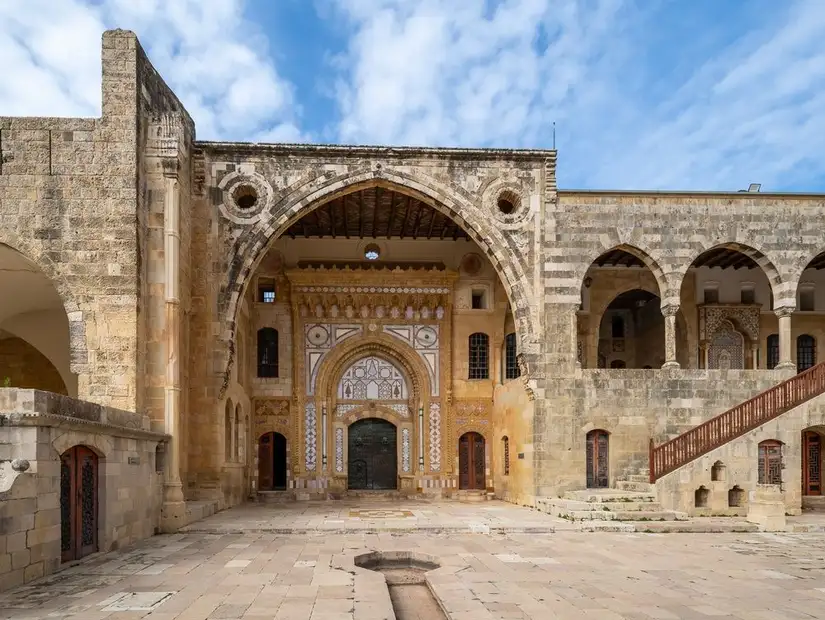
Located southeast of Beirut, the Chouf region is a scenic mountain district characterized by terraced hillsides, olive groves, quiet villages, and vast nature reserves.
Key Highlights
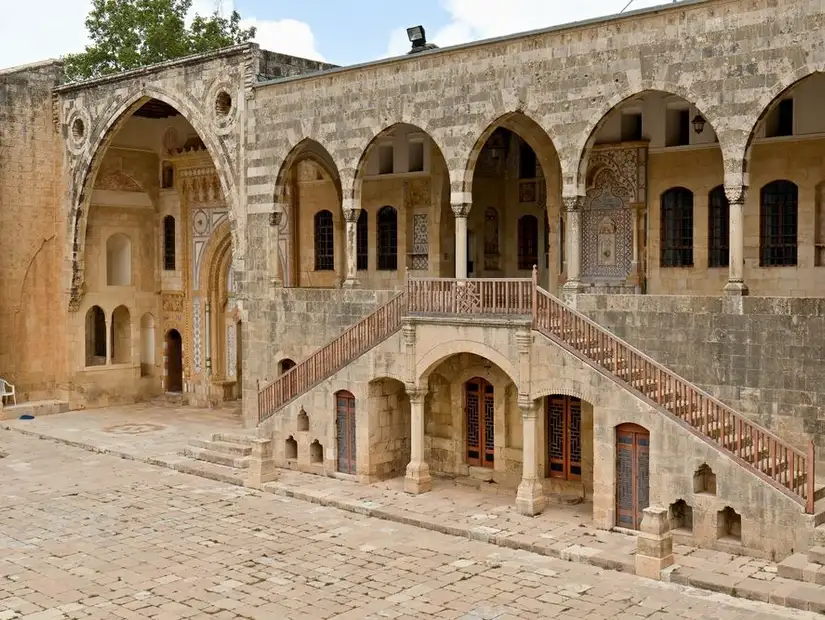
- Beiteddine Palace: Built in the early 19th century by Emir Bashir Shihab II, this grand palace is a masterpiece of traditional Lebanese and Italianate architecture. It features intricate mosaic courtyards, carved cedarwood ceilings, grand reception halls, and historic hammams.
- Chouf Cedar Reserve: The largest natural reserve in Lebanon, protecting extensive cedar forests that provide fantastic hiking trails, wildlife viewing, and scenic overlooks across the mountain valleys.
Food Experience
The Chouf region is renowned for its organic, village-style culinary traditions. Stop at local roadside farm stalls and village cooperatives to purchase homemade labneh, wild thyme (za'atar), preserved jams, and freshly pressed olive oil.
7. Batroun: A Coastal Haven for Relaxation and Fresh Flavors
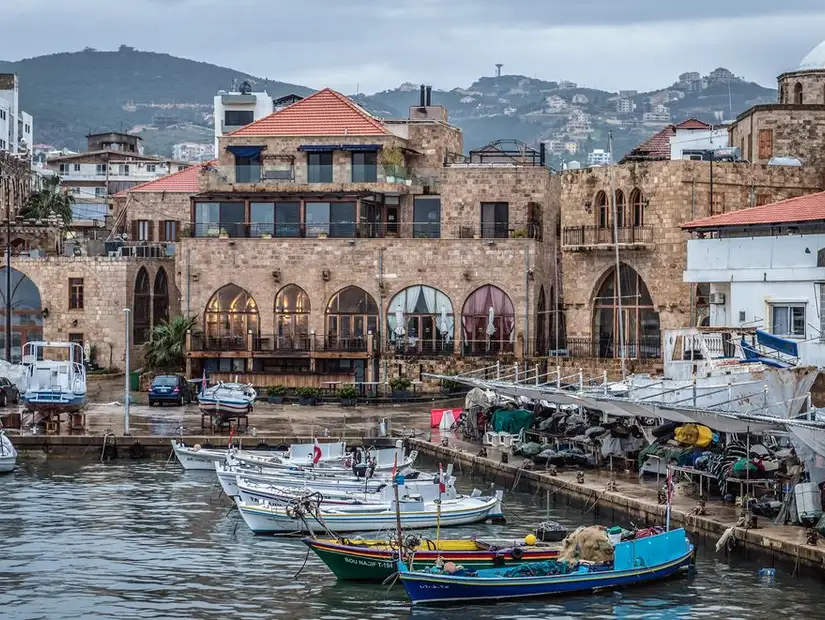
Situated along the northern coast between Byblos and Tripoli, Batroun is a historic seaside town known for its laid-back atmosphere, ancient Phoenician sea wall, clear swimming waters, and thriving culinary scene.
Key Highlights
- Phoenician Sea Wall: A massive 225-meter-long natural and stone wall originally carved by ancient Phoenicians to protect the town from sea waves.
- Old Town Alleys: Walk through narrow stone streets lined with historic churches, restored stone houses, boutique guesthouses, and independent craft shops.
- Beach Clubs and Clear Waters: Batroun is famous for having some of the cleanest pebble beaches and clearest coastal waters along the Lebanese coast, making it a favorite spot for paddleboarding and swimming.
Food Experience
Batroun is famous throughout Lebanon for its fresh, ice-cold homemade lemonade, sold at historic stands across town. It is also an exceptional spot for waterfront seafood dining, craft bakeries, and seaside cafes.
Must-try Lebanese Food Experiences
- Traditional Breakfast: Start your morning with hot manakish (flatbread topped with za'atar, cheese, or minced meat) served alongside fresh cucumbers, tomatoes, mint leaves, and creamy labneh.
- The Authentic Mezze: A feast of cold and hot small plates designed for sharing, including hummus, baba ghanoush, tabbouleh (parsley and bulgur salad), fattoush, sfiha (meat pies), and crispy kibbeh.
- Lebanese Sweets: Indulge in traditional regional desserts such as Knafeh (cheese pastry soaked in sweet syrup served in a sesame bread roll), Baklava, and Ma'amoul (date or nut-filled shortbread cookies).
Best Time to Visit Lebanon
Spring (March to May): Spring is widely considered the best overall time to explore Lebanon. The mountains are green, wildflowers bloom across valleys, and temperatures along both the coast and in the mountains are pleasant for walking and sightseeing.
Summer (June to August): Summer brings warm, sunny weather that is perfect for beach resorts, coastal water sports, and evening nightlife. When coastal city temperatures rise, head to high mountain villages like Bcharre or the Chouf for cooler air.
Autumn (September to November): Autumn offers fantastic travel conditions. The summer crowds dissipate, sea temperatures remain warm enough for swimming through October, and the crisp autumn air makes mountain hiking extremely enjoyable.
Winter (December to February): Winter turns the high Mount Lebanon range into a winter sports destination, where travelers can ski and snowboard at resorts like Mzaar Kfardebian before driving down to the milder coast.
Practical Travel Tips for First-Time Visitors
- Getting Around: Renting a vehicle or hiring a private driver for day trips provides maximum flexibility when traveling between the coast and mountain villages. Shared taxis (service) and local taxis operate reliably within Beirut and major towns.
- Currency and Payments: Lebanon uses the Lebanese Pound (LBP), while US Dollars (USD) are also widely accepted in everyday transactions. Because electronic payment systems can vary, carrying cash is recommended for daily purchases, small cafes, and local transport.
- What to Pack: Pack versatile clothing options. Comfortable walking shoes are essential for historic stone streets and nature trails. Bring lightweight, breathable clothing for coastal beach towns alongside warm layers for high-elevation mountain areas.
- Respect Local Customs: Lebanon is a diverse, multi-cultural country. While coastal areas and nightlife hubs are relaxed, remember to dress modestly when visiting historic religious sites, monasteries, and traditional rural villages.
Frequently Asked Questions
- Is Lebanon suitable for a food-focused holiday? Yes. Lebanese cuisine is world-renowned, and experiencing traditional meals, from street food bakeries to seaside seafood venues and mountain village feasts, is one of the most rewarding aspects of traveling in the country.
- How many days do you need to explore Lebanon? A 5- to 7-day stay allows enough time to explore Beirut, take day trips to Byblos, Jeita Grotto, and Harissa, and spend a few days discovering the mountains in Bcharre or the Chouf region.
- Can you experience both the sea and the mountains in one day? Yes. Due to Lebanon’s compact geography, you can easily enjoy a morning hike in the mountain cedar forests and spend the afternoon relaxing at a seaside cafe along the coast.
From the bustling streets and legendary food scene of Beirut to the ancient stone harbor of Byblos and the quiet majesty of the mountain cedars, Lebanon offers a rich travel experience defined by diversity, history, and unmatched hospitality. Whether you are tasting fresh local flavors, exploring underground caverns, or watching the sun set over the Mediterranean, this captivating destination leaves a lasting impression. Ready to plan your next getaway? Discover Lebanon flight options and travel deals by exploring WINGIE today!
You may also like:
- Top Amusement Parks in Lebanon
- Top 8 Parks in Lebanon
- Top 20 Attractions in Beirut
- The Most Famous Castles in the MENA Region
- Top Attractions in Qatar
- Top 10 Family-Friendly Destinations
- Top 30 Tourist Attractions in Istanbul
- Top Amusement Parks in Lebanon
- Top Attractions in Jordan
- Top 10 Restaurants in Cairo
- A Fun-Filled Guide to Cairo's Top Amusement Parks
- A Comprehensive Guide to Arabella Plaza Mall in Cairo
- Top Attractions in Marsa Alam
- Top Activities at El Mamurah Beach in Alexandria
- Top Attractions in Egypt
- Top Oases in the MENA Region
- Top Honeymoon Destinations in the MENA Region

