An Ultimate Guide to Farasan Island


Farasan Islands are one of Saudi Arabia’s most remarkable coastal destinations, located in the Red Sea off the coast of Jazan. Known for their clear waters, white sandy beaches, coral reefs, and diverse wildlife, the islands offer a unique mix of nature, history, and local culture. Visitors can explore quiet beaches, historical sites, marine life, and traditional villages while experiencing a calmer side of Saudi Arabia’s Red Sea coast.
In this article, we’ll explore the Farasan Islands in detail, including where they are located, what makes them special, the best places to visit, activities to try, and useful tips for planning your trip.
Information about the Farasan Islands
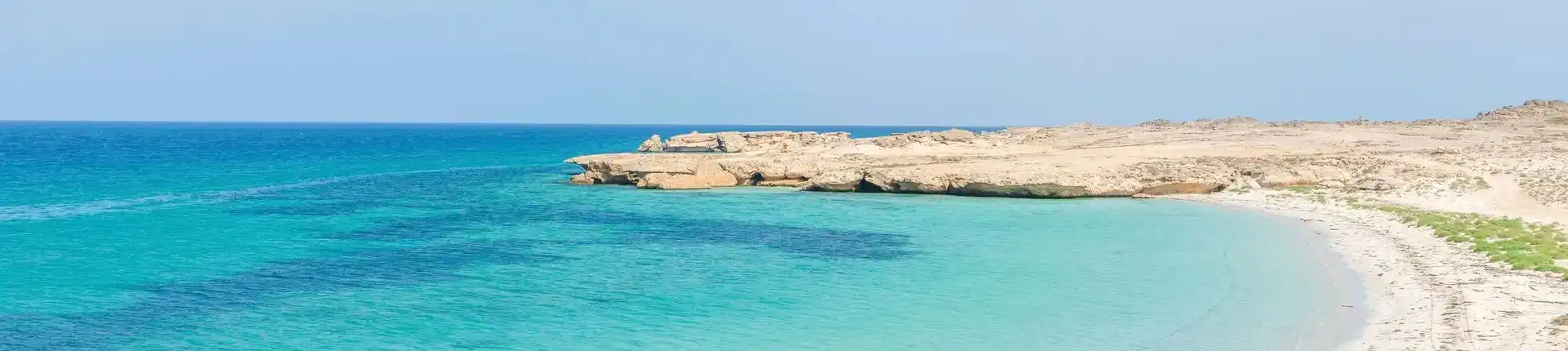
In the heart of the Red Sea, 50 kilometers west of Jazan, Farasan Al Kubra rises as a natural haven that captures both the eye and the heart. Covering an area of 380 square kilometers, the island brings together soft white sands, clear turquoise waters, and remarkable biodiversity, making it a unique natural reserve in Saudi Arabia.
The island was formed during the Pleistocene era and is distinguished by its extraordinary geographical diversity, from coral reefs teeming with marine life to limestone and gypsum formations that shape its natural landmarks. Farasan is also rich in historical and cultural attractions such as the Ottoman Fort, Al Rifai House, Al Najdi Mosque, and the Al Zailai Maritime Museum, making it a destination where history is just as compelling as its breathtaking natural beauty.
Farasan also carries traces of ancient civilizations that once passed through the Red Sea. One of its most fascinating historical details is the Roman footprint found on the islands. Archaeologists discovered Latin inscriptions dating back to 144 AD, suggesting that Farasan once formed part of the southern frontier of the Roman Empire, where a Roman garrison was stationed to help protect trade routes from pirates. For history lovers, this gives the island a rare and powerful connection to the ancient world.
The island is also home to historic villages such as Al Muharraq, Al Qassar, Al Masilah, Al Hussein, and Sayr, where local residents continue to practice fishing, farming, and camel herding while preserving a rich heritage that reflects the island’s past as an important trading hub. In earlier times, maritime trade routes carrying dates, agricultural products, and perfumes passed through the archipelago, connecting the Arabian Peninsula to Mesopotamia and beyond.
Farasan’s identity is also deeply tied to pearl diving. Al Rifai House, one of the island’s most famous heritage landmarks, was not only a traditional residence, but also a symbol of the great wealth generated by the pearl trade before the rise of cultured pearls. Its architecture and details still reflect a time when the islands were part of a thriving maritime world built on trade, craftsmanship, and the treasures of the sea.
The Farasan Islands are located in the Red Sea, around 50 kilometers west of Jazan in southwestern Saudi Arabia. The archipelago can be reached by ferry or private boat from Jazan Port, making it one of the most distinctive island escapes in the Kingdom.
Facilities and Services in the Farasan Islands
Daily ferry services are available from Jazan Port to the islands, but travelers should know that the government-run ferry to Farasan is free and must be booked online in advance through the MAWANI portal. Although the tickets are free, they can sell out quickly, especially during weekends and peak travel periods.
Travelers looking for more flexibility can also use private speedboats known as Fluka. These usually cost around SAR 50 to SAR 100 per person and are much faster than the ferry, taking around one hour compared to the longer ferry journey.
Tourist facilities and services include restaurants and cafés serving fresh seafood and a variety of drinks for visitors. For a more local experience, visit the fish market in the morning, choose the catch of the day, and take it to a local kitchen to have it prepared Farasan-style.
Prepared walking paths and nature trails are available for strolling and photography, along with designated areas for sitting and relaxing in the midst of the stunning landscape.
Diving and snorkeling services are equipped with modern gear, offering a unique marine experience among colorful coral reefs and the diverse fish of the Red Sea.
Tour guides and visitor guidance are available for nature and wildlife enthusiasts, helping ensure a safe and enjoyable trip for all visitors.
Top Activities in the Farasan Islands
- Relax on the beaches, where the white sands and turquoise waters create the perfect setting for unwinding and swimming.
- Walk along natural trails among the trees and coastal vegetation while enjoying the fresh air.
- Go diving and snorkeling in the bright turquoise waters to explore colorful coral reefs and a wide variety of fish, with the chance to spot sea turtles swimming through the seagrass.
- Observe wildlife and birds, as the islands are home to nearly 200 species of birds and 180 species of plants, as well as rare Arabian gazelles that roam freely.
- Spend time on the white beaches sunbathing, swimming, or taking a boat trip to enjoy the water and the spectacular scenery.
- Take part in the annual Hareed Festival to watch the traditional hareed fish catch and enjoy a distinctive maritime cultural experience that reflects the local heritage.
- Visit heritage sites such as Al Qassar Village and Al Rifai House to learn more about the island’s traditional way of life and rich culture.
- Discover the local flavors of Farasan by trying Mufa’alt, a traditional fish dish cooked in a clay oven. Farasan is also known across the Kingdom for its shrimp and lobster, which are especially loved for their fresh Red Sea flavor.
Quick Facts Before You Go
- Transport: You can take your car on the ferry, but you must book the car slot weeks in advance.
- ATM and Cash: Bring SAR cash. Many places accept cards, but smaller local shops and boat captains often prefer cash.
- Connectivity: STC generally has the best signal on the islands, while other providers may be weaker on remote beaches.
- Dress Code: Farasan is a tourist destination, but modest clothing is still recommended in villages. Swimwear is best kept for boats and private beach areas.
Pro Tips for Visiting the Farasan Islands
- The best time to visit is between October and March to avoid the intense summer heat.
- Be sure to book sea transportation in advance from Jizan Port or Farasan Port, especially if you plan to travel by car.
- Bring your own snorkeling equipment or rent it from dedicated accommodation providers to enjoy marine life safely.
- Carry enough cash for small purchases, boat rides, and local services.
- Help protect the environment by avoiding any damage to coral reefs and wildlife. Since the Farasan Islands are part of a UNESCO Man and the Biosphere Reserve, visitors should follow a no-trace approach, avoid leaving waste behind, and never take coral or shells from the islands.
In the end, the Farasan Islands are not just an island destination, but a journey through time and enchanting nature. Get ready for a one-of-a-kind experience filled with adventure and beauty, from traditional villages and stunning beaches to historic landmarks, ancient inscriptions, pearl-diving heritage, and unforgettable Red Sea flavors. Book your flight to Jizan on WINGIE now and enjoy one of the best travel experiences in the heart of the Red Sea, where every moment becomes an unforgettable memory.
You may also like:

