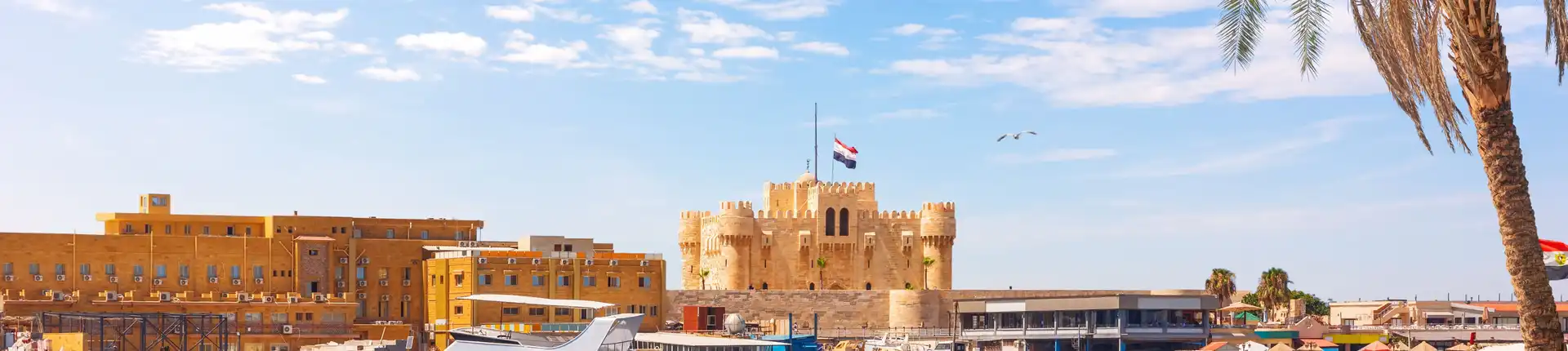
An Ultimate Guide to Alexandria


Stretching along Egypt’s northern Mediterranean coastline, Alexandria offers a completely different rhythm from the country’s desert landscapes and ancient Nile temples. Founded by Alexander the Great in 331 BCE, this legendary port city was once a capital of the ancient world, a renowned center of global learning, and a vibrant cultural crossroads where Egyptian, Greek, Roman, and Ottoman influences converged.
Today, Alexandria is a dynamic seaside metropolis where history sits alongside everyday local life. From majestic coastal fortresses and underground Roman catacombs to world-class seafood traditions and endless sea views along the Corniche, the city invites travelers to experience Egypt from a refreshing Mediterranean perspective.
Why Visit Alexandria?
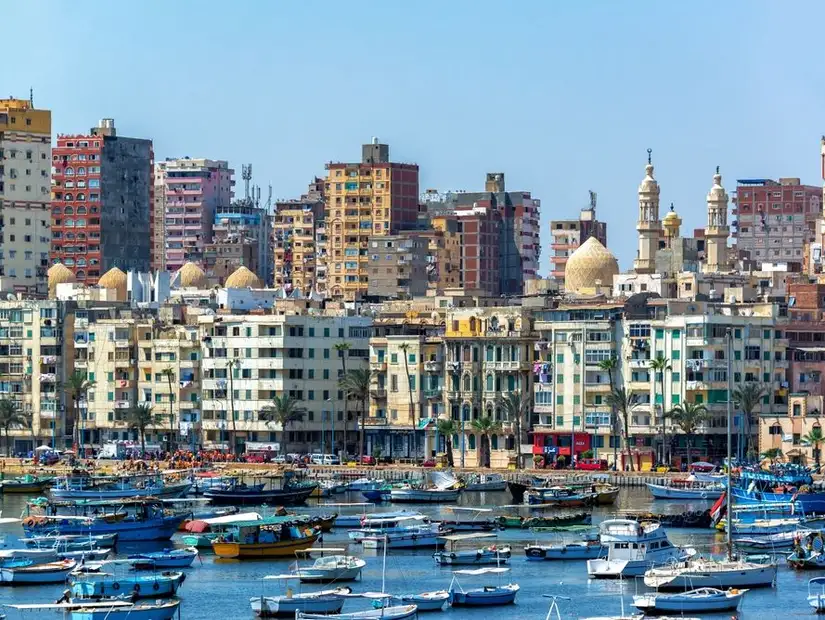
Where Ancient History Meets Modern Life
Few cities in the region possess a historical tapestry as complex as Alexandria’s. Over centuries, the city served as the backdrop for iconic historical figures like Cleopatra, Julius Caesar, and Mark Antony. Its architectural landscape reflects a unique fusion of Hellenistic, Roman, Islamic, and 19th-century European design.
A Relaxed Mediterranean Atmosphere
Unlike the fast-paced energy of Cairo, Alexandria moves to a coastal beat. Wide sea views, open-air waterfront cafes, fresh Mediterranean breezes, and historic tea houses give the city a nostalgic charm that encourages slow, leisurely exploration.
Egypt’s Undisputed Seafood Capital
Positioned right on the Mediterranean Sea, Alexandria is celebrated across the Middle East for its culinary culture. Fishing traditions run deep here, offering visitors access to some of the freshest seafood and unique coastal dishes found anywhere in Egypt.
Explore Alexandria’s Ancient History
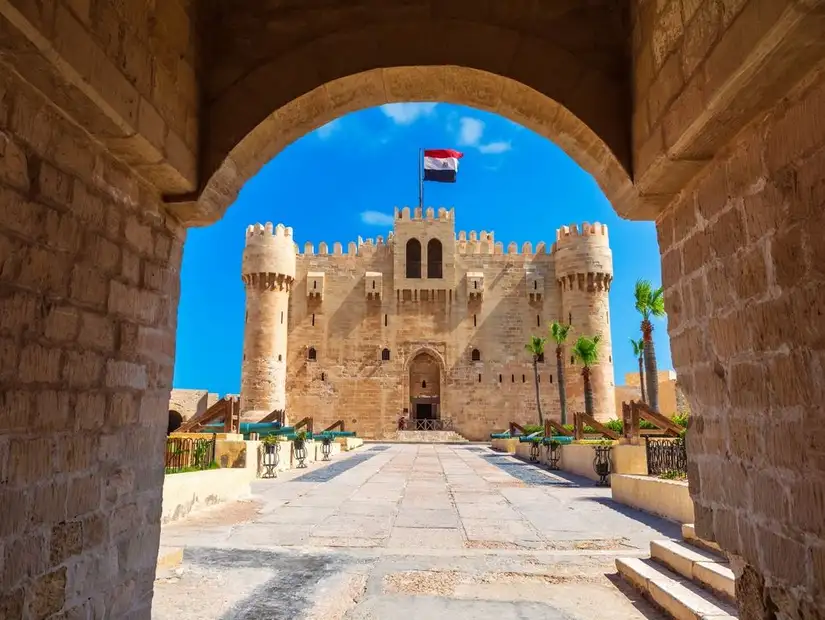
Qaitbay Citadel: A Fortress by the Sea
Perched dramatically at the entrance of the Eastern Harbour, the Citadel of Qaitbay is one of Alexandria’s most iconic landmarks. Built in the 15th century by Sultan Al-Ashraf Qaitbay to defend the city from Ottoman invasion, this defensive fortress holds immense historical value because it was constructed directly on the site of the ancient Lighthouse of Alexandria (Pharos), one of the Seven Wonders of the Ancient World. In fact, stones from the collapsed lighthouse were reused in the citadel's masonry.
Visitors can explore the fortress's vaulted stone chambers, climb the central tower, and walk along the defensive ramparts to take in panoramic views of the Mediterranean Sea.
Catacombs of Kom El Shoqafa: Underground History
Discovered accidentally in 1900 when a donkey fell through a shaft, the Catacombs of Kom El Shoqafa represent one of the largest Roman-era burial sites in Egypt. Carved deep into solid rock across three subterranean tiers, the catacombs date back to the 2nd century CE.
What makes this site extraordinary is its fascinating artistic blending of Egyptian, Greek, and Roman cultures. Inside the burial chambers, you will see traditional Roman reliefs featuring figures sculpted with classical Egyptian poses and wearing traditional Pharaonic crowns.
Pompey’s Pillar and the Serapeum
Standing tall on a rocky hill in the heart of the city, Pompey’s Pillar is a massive monolithic granite column reaching nearly 27 meters in height. Erected in 297 CE to honor the Roman Emperor Diocletian, it remains one of the largest ancient monolithic columns ever constructed outside of Rome and Constantinople.
The column sits within the archaeological ruins of the Serapeum, a grand temple complex once dedicated to Serapis, which also housed an annex of the ancient Library of Alexandria.
Bibliotheca Alexandrina: A Modern Cultural Icon
Standing as a stunning architectural tribute to the original Library of Alexandria, the Bibliotheca Alexandrina opened in 2002 as a major international research center. Designed like a giant tilted sun disc facing the sea, the building's exterior wall is carved with characters from over 120 different human scripts.
Beyond its massive reading rooms capable of holding millions of books, the complex houses four specialized museums (including the Antiquities Museum and the Manuscripts Museum), art galleries, a planetarium, and permanent cultural exhibitions.
What to Do in Alexandria’s Mediterranean Sea Views
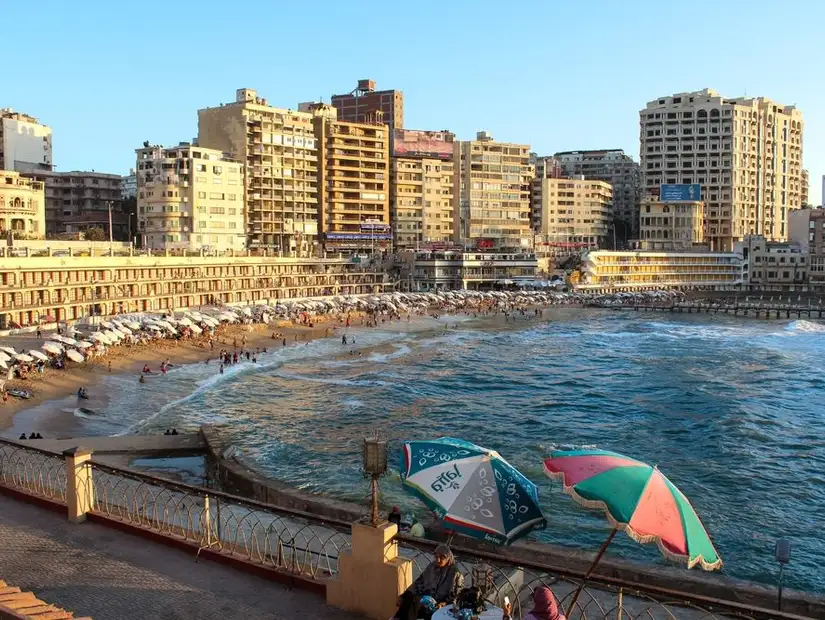
Walk Along the Corniche
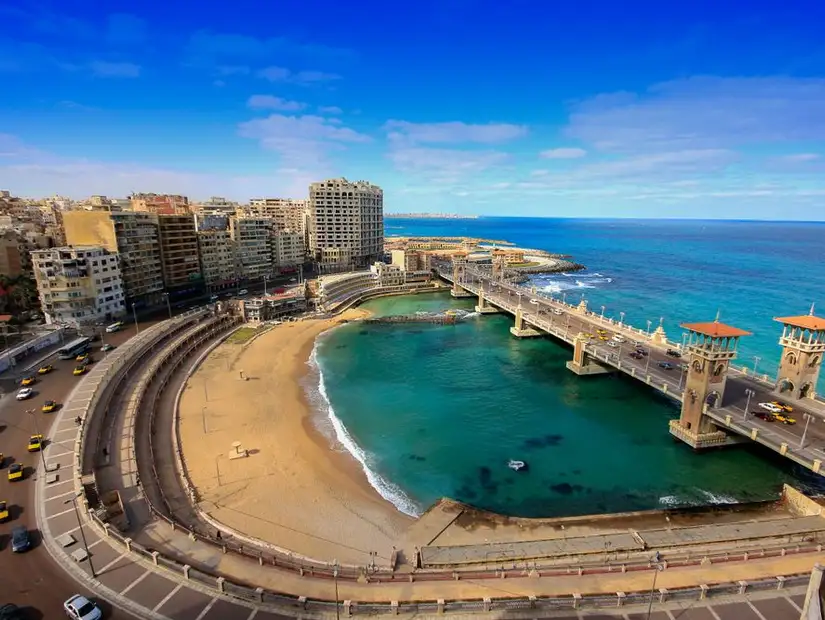
The Corniche is Alexandria’s famous 15-kilometer waterfront promenade that curves around the city’s harbor from the Citadel of Qaitbay to Montaza. Walking along the sea wall is the quintessential Alexandrian experience. Here, you will see local fishermen casting lines into the waves, historic European-style apartment buildings lining the avenue, and families enjoying the sea air.
Relax at Alexandria’s Beaches
While Alexandria’s central beaches can become quite lively during the peak summer months, its coastline offers numerous spots to enjoy the water. Areas like Maamoura Beach and private beach clubs along the Eastern Harbour provide comfortable sun loungers, umbrella rentals, and water sports activities.
Visit Montaza Palace Gardens
Located on a high pine-covered bluff overlooking the sea at the eastern end of the city, Montaza Palace Gardens covers over 150 acres of landscaped grounds, palm groves, and sandy coves. Originally built as a summer retreat for the Egyptian royal family, the complex features the striking Al-Haramlik Palace, built in an eclectic Florentine and Turkish architectural style.
While the interior of the palace is currently preserved, visitors can stroll through the extensive gardens, cross the stone bridge to Tea Island, and enjoy quiet coastal views.
Discover Alexandria’s Seafood Culture
Seafood in Alexandria is not just a meal; it is a fundamental part of the city’s identity. The local culinary style relies on fresh daily catches prepared simply using olive oil, garlic, lemon, cumin, and fresh herbs.
Essential Dishes to Try
- Sayadeya: A classic Alexandrian fish dish where fresh fillets are simmered in a rich, deeply caramelized onion and spice sauce, served alongside dark brown rice.
- Grilled Mediterranean Fish: Fresh sea bass, sea bream, or red mullet coated in wheat bran and grilled whole over charcoal flames.
- Alexandrian Shrimp and Squid: Fresh Mediterranean prawns and squid, either sautéed in garlic and lemon butter or cooked inside clay tagines with tomatoes, peppers, and coriander.
Best Places to Experience the Local Food Scene
- Fish Market Restaurants: At traditional seafood spots along the Corniche, guests walk up to a refrigerated display of daily catches, select their fish by weight, and choose their preferred cooking method (grilled, fried, or baked in a clay tagine).
- Historic Waterfront Cafes: Alexandria is famous for its vintage European-style coffee houses, such as Trianon or Delices, which have served coffee, French pastries, and Greek desserts since the early 20th century.
- Local Spice and Produce Souqs: Explore the narrow alleys of the Zanqet El-Setat market near the center of town to smell regional spices, dried herbs, and traditional local products.
Best Time to Visit Alexandria
- Spring (March to May): Spring is widely considered the best time for sightseeing. Temperatures are pleasantly warm, rainfall is minimal, and the sea breeze makes walking along the Corniche extremely enjoyable.
- Summer (June to August): Summer is peak domestic holiday season in Alexandria. Thousands of visitors arrive from Cairo and across Egypt to escape the inland heat. While the city is vibrant and beach activities are in full swing, expect larger crowds and higher hotel rates.
- Autumn (September to November): Autumn offers fantastic travel conditions. The summer crowds thin out, sea temperatures remain warm enough for swimming, and daytime temperatures are ideal for outdoor exploring.
- Winter (December to February): Winter brings cool temperatures, dramatic sea storms, and occasional rain showers. While not suitable for beach activities, winter gives Alexandria a poetic, atmospheric charm that appeals to travelers interested in history, literature, and quiet museum tours.
How Many Days Do You Need in Alexandria?
- One Day (The Quick Highlight Tour): While many travelers visit Alexandria on a day trip from Cairo, one day only allows time to visit the Qaitbay Citadel, browse the Bibliotheca Alexandrina, walk a short section of the Corniche, and enjoy a quick seafood lunch.
- Two Days (Recommended Stay): A two-day stay allows you to explore the city at a comfortable pace. You can dedicate Day 1 to the major seaside attractions (Qaitbay Citadel, Bibliotheca Alexandrina, and the Corniche) and Day 2 to underground historical sites (Catacombs of Kom El Shoqafa, Pompey's Pillar) and the Montaza Palace Gardens.
- Three Days or More (Deep Cultural Immersion): With three or more days, you can move beyond the primary tourist trail, explore old neighborhoods like Bahary, visit local art galleries, relax at private beach clubs, and indulge in extended culinary explorations across different seafood neighborhoods.
Practical Travel Tips for First-Time Visitors
- Getting There from Cairo by train: The Egyptian National Railways operates frequent, comfortable express trains (including the modern Talgo trains) between Cairo's Ramses Station and Alexandria's Misr Station, taking approximately 2 to 2.5 hours.
- Getting There by Road: Private cars, buses, and ride-hailing services run continuously along the Cairo-Alexandria Desert Road and Agriculture Road, with travel times ranging from 2.5 to 3.5 hours depending on traffic.
- Getting Around: Official yellow-and-black taxis operate throughout the city; ensure you agree on a fare before starting your journey. Ride-hailing applications like Uber operate reliably across Alexandria and offer a convenient way to navigate between attractions.
- Local Customs and Clothing: While Alexandria is a Mediterranean city with a cosmopolitan history, it remains culturally conservative. When visiting historic quarters, religious sites, or local markets, wear modest clothing that covers shoulders and knees. Standard swimwear is suitable at private resort pools and designated beach clubs.
Frequently Asked Questions
- Is Alexandria worth visiting? Yes. Alexandria offers a unique combination of Greco-Roman history, literary heritage, Mediterranean sea views, and a renowned seafood culture that feels distinctly different from Cairo and Upper Egypt.
- How far is Alexandria from Cairo? Alexandria is located approximately 220 kilometers northwest of Cairo. Travel time by train or car typically ranges between 2 and 3 hours.
- What food is Alexandria famous for? Alexandria is famous throughout Egypt for its Mediterranean seafood, particularly Sayadeya fish rice, charcoal-grilled whole fish, garlic shrimp tagines, and Alexandrian-style liver sandwiches (Kebda Eskandarani).
From the ancient foundations of Qaitbay Citadel to the modern halls of the Bibliotheca Alexandrina and the lively seafood halls along the coast, Alexandria offers a journey filled with history, flavor, and maritime charm. Whether you are walking along the windy sea walls of the Corniche or enjoying fresh fish overlooking the harbor, this historic city presents an unforgettable side of Egypt. Ready to explore Alexandria for yourself? Find convenient flights to Alexandria and travel deals by exploring WINGIE today!
You may also like:
- An Ultimate Guide to Street Food in Cairo
- Top 10 Restaurants in Cairo
- Citystars Cairo: A Comprehensive Guide to the Ultimate Shopping and Entertainment Experience
- A Fun-Filled Guide for Cairo's Top Amusement Parks
- Guide to Pharaonic Village in Giza
- A Comprehensive Guide to Arabella Plaza Mall in Cairo
- Ultimate Guide to the Mall of Arabia in Cairo
- Top Activities at the International Park in Cairo

