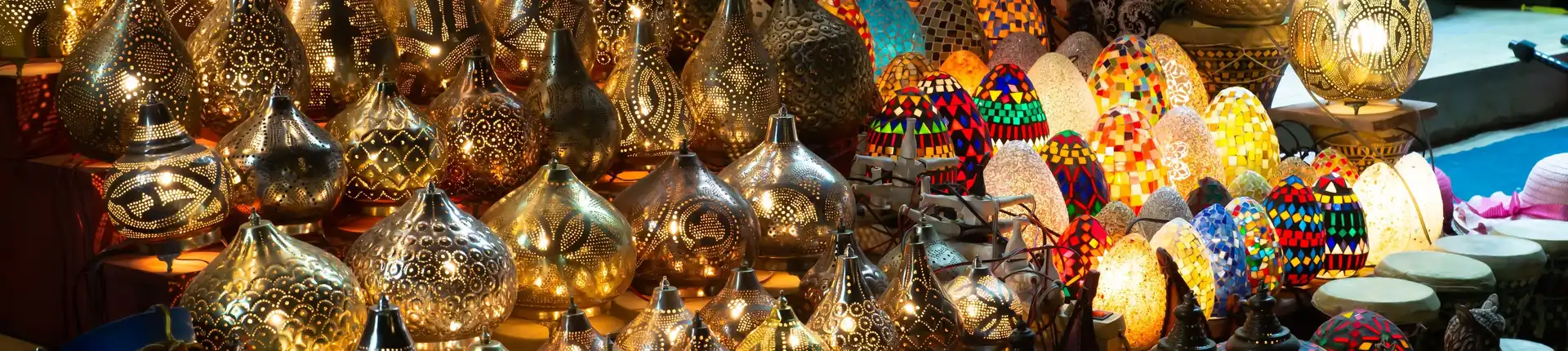
An Ultimate Guide to Shopping Authentic Saudi Arabian Handicrafts


Shopping in Saudi Arabia is more than buying souvenirs, it is a journey through heritage, hospitality, craftsmanship, and regional identity. From aromatic oud and traditional dallah sets to colorful Al Qatt Al Asiri art and handwoven Al Sadu textiles, Saudi markets offer meaningful pieces that carry the spirit of the country. Each item tells a story, whether it comes from the oasis traditions of Al Ahsa, the mountain culture of Asir, the historic streets of Jeddah, or the heritage markets of Riyadh.
For travelers, these authentic Saudi Arabian handicrafts are perfect reminders of a memorable trip. They also make thoughtful gifts for family and friends, especially for those who appreciate culture, design, food, and traditional artistry. In this guide, we will explore the best things to buy in Saudi Arabia, why they are special, and where to find them.
Saudi Dates
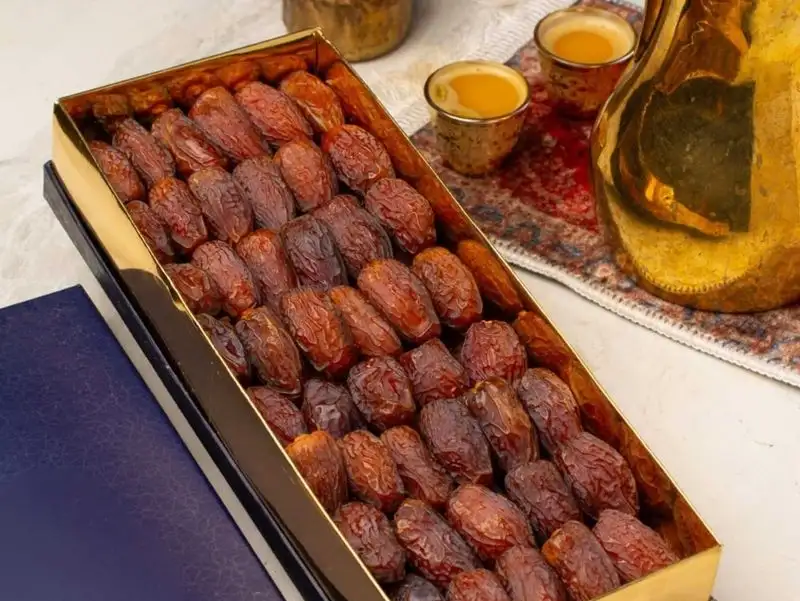
Saudi dates are among the most iconic things to buy in Saudi Arabia. They are deeply connected to local hospitality and are often served with Saudi coffee as a welcoming gesture. Premium varieties from Al Ahsa and Madinah are especially popular, offering rich flavors, soft textures, and beautiful packaging for gifting.
Dates are also easy to carry, making them one of the most practical souvenirs for travelers. Whether you choose plain dates, stuffed dates, or luxury date boxes, they are a delicious way to bring a piece of Saudi culture home.
Best places to look: Al Ahsa, Madinah, Riyadh date markets, and airport gift shops.
What to choose: Premium date boxes, stuffed dates, or regional varieties from Al Ahsa and Madinah.
Best for: Family gifts, food lovers, and travelers looking for an authentic Saudi souvenir.
Saudi Coffee and Dallah Sets
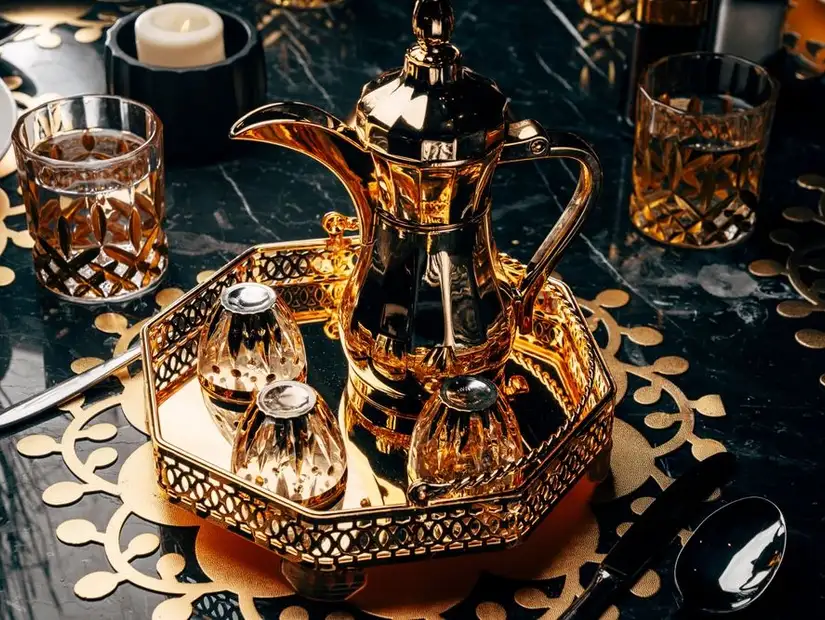
Saudi coffee is a symbol of generosity and tradition. A beautiful dallah set, paired with small finjan cups, makes a meaningful gift that reflects the warmth of Saudi hospitality. The dallah, a traditional Arabic coffee pot, is also a decorative item that brings elegance to any home. Many travelers choose to buy Saudi coffee with cardamom or saffron, along with a dallah and matching cups. This combination is ideal for anyone who wants to recreate the Saudi coffee experience at home.
Best places to look: Souq Al Zal, Al Balad, heritage shops, and museum stores.
What to choose: A traditional dallah, finjan cups, and Saudi coffee blends.
Special tip: Look for sets with classic metalwork or engraved details for a more authentic feel.
Oud, Bukhoor and Mabkhara Incense Burners
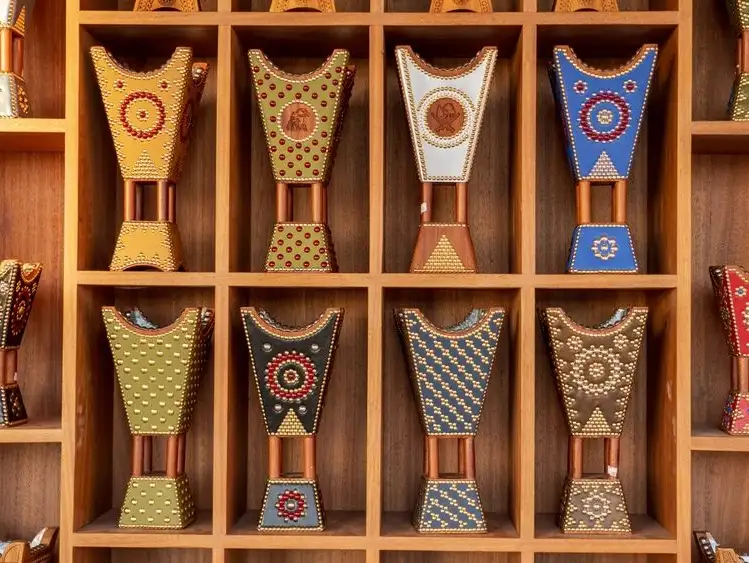
Fragrance plays an important role in Saudi culture. Oud, bukhoor, and mabkhara incense burners are elegant gifts that reflect the importance of scent in homes, gatherings, and special occasions. Oud chips and bukhoor blends can vary widely in quality and price, so it is worth taking time to explore different options.
A mabkhara, the traditional incense burner, makes the gift even more special. It can be used at home or displayed as a decorative piece.
Best places to look: Souq Al Zal, Al Balad, and traditional perfume shops.
What to choose: Oud chips, bukhoor blends, or a decorative mabkhara.
Best for: Elegant gifting, home fragrance, and travelers interested in Saudi lifestyle traditions.
Al Sadu Textiles
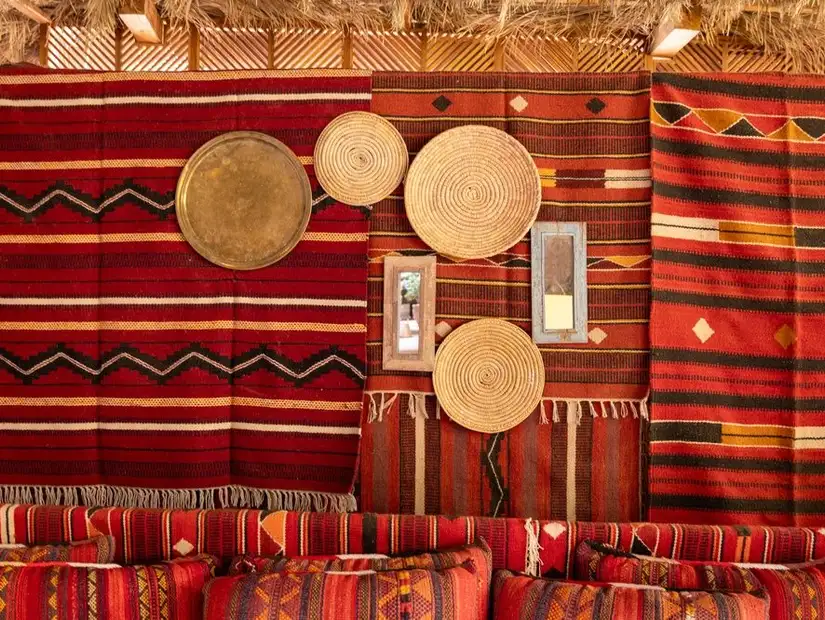
Al Sadu is a traditional Bedouin weaving style known for bold geometric patterns and rich cultural meaning. These textiles often feature striking colors and shapes inspired by desert life, making them a beautiful choice for home décor. You can find Al Sadu designs on cushions, rugs, bags, wall pieces, and decorative accessories. They are especially suitable for travelers who want something artistic, meaningful, and easy to display at home.
Best places to look: Diriyah, AlUla, Riyadh heritage markets, and cultural festivals.
What to choose: Cushion covers, woven bags, rugs, or wall hangings.
Special tip: Choose handmade or locally produced pieces, when possible, to support Saudi artisans.
Al Qatt Al Asiri Art
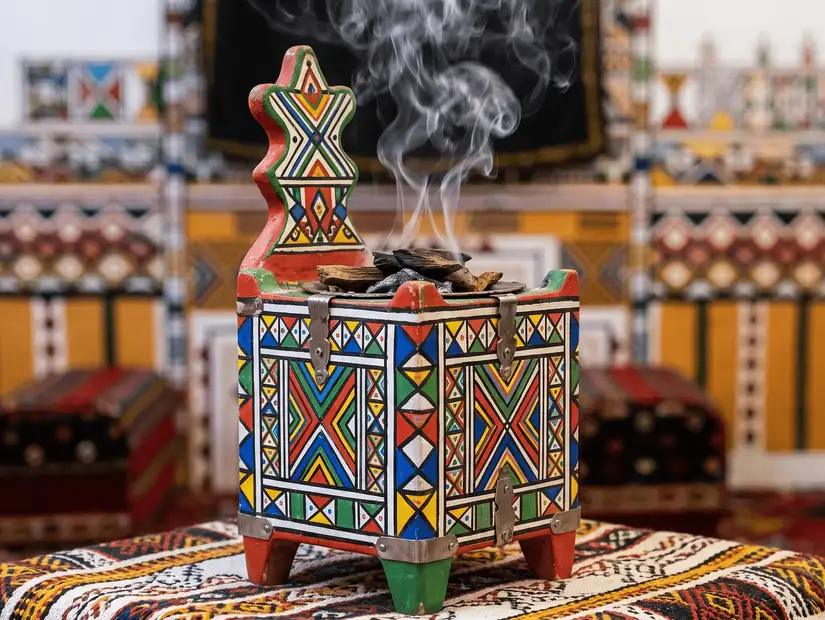
Al Qatt Al Asiri is a colorful geometric art style from the Asir region. Traditionally associated with interior decoration, this art form is now seen on panels, trays, ceramics, and home décor items. Its bright colors and distinctive patterns make it one of the most visually memorable Saudi crafts. This is a great choice for travelers who want to buy something artistic and strongly connected to a specific region of Saudi Arabia.
Best places to look: Abha, Rijal Almaa, Asir craft shops, and museum stores.
What to choose: Decorative panels, trays, ceramics, or small framed pieces.
Best for: Art lovers, home décor shoppers, and collectors of regional crafts.
Palm Frond Baskets and Mats
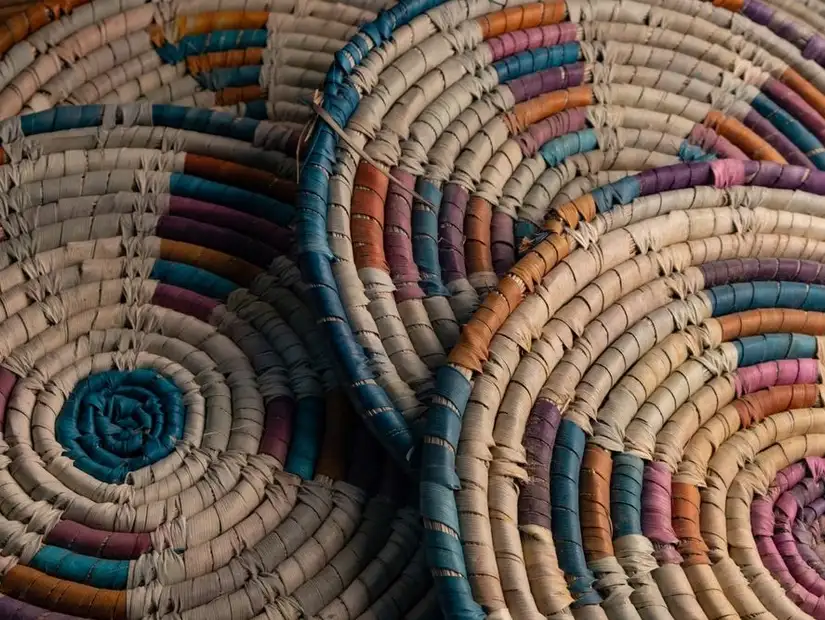
Palm frond weaving is one of the most practical and charming oasis crafts in Saudi Arabia. Made from date palm leaves, baskets and mats are lightweight, natural, and easy to carry. They are ideal for home décor, storage, or gifting. These pieces reflect the connection between Saudi communities and the date palm, which has long been an important part of daily life in many regions.
Best places to look: Al Ahsa, Qassim, heritage markets, and craft festivals.
What to choose: Small baskets, table mats, trays, or decorative woven pieces.
Additional advantage: Palm frond items are usually lightweight and travel friendly.
Hasawi Bishts and Traditional Clothing
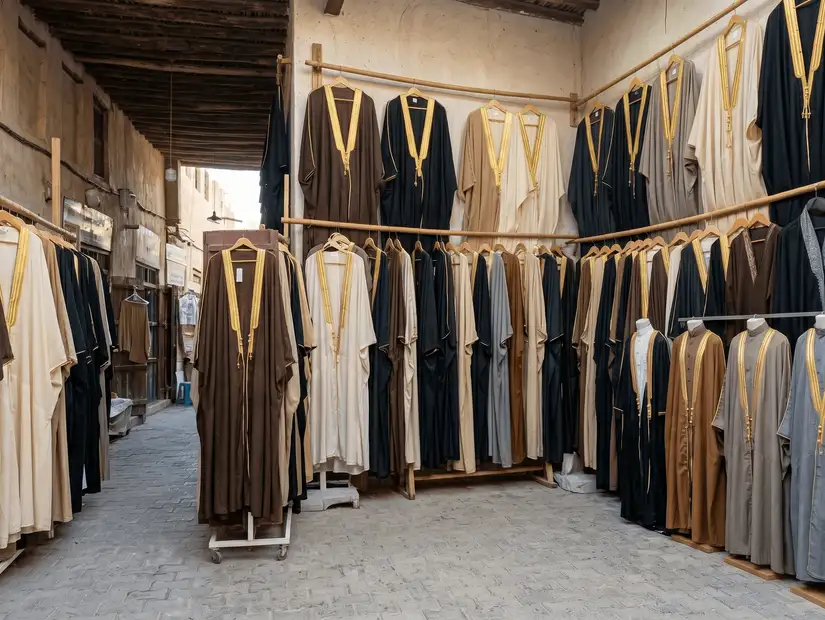
For those looking for a premium heritage item, Hasawi bishts from Al Ahsa are a remarkable choice. A bisht is a traditional cloak often worn on formal occasions, and Al Ahsa is known for its refined craftsmanship and hand finished pieces. Traditional clothing can be a meaningful purchase, especially for travelers interested in Saudi heritage and regional identity. Some pieces may be more suitable for display or special occasions, while others can be worn as part of a cultural wardrobe.
Best places to look: Al Ahsa, Qaisariya Souq, and Riyadh traditional clothing shops.
What to choose: Hand finished bishts or traditional garments with fine detailing.
Special tip: Ask about fabric, origin, and craftsmanship before buying premium pieces.
Saudi Spices and Spice Blends
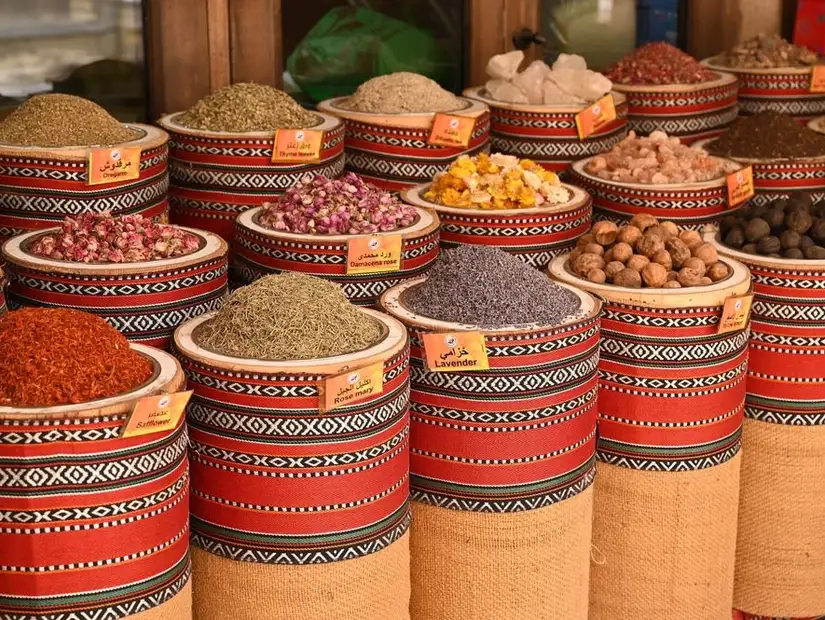
Saudi spices are an excellent choice for travelers who love cooking. Look for kabsa spices, Saudi coffee spices, cardamom, cloves, dried limes, and regional spice blends. These ingredients bring the flavors of Saudi cuisine into your kitchen and make thoughtful gifts for food lovers. Spice shops are also a sensory experience, filled with colors, aromas, and local recommendations. If you are not sure what to buy, ask for a blend used for kabsa or Saudi coffee.
Best places to look: Souq Al Zal, Souq Al Alawi, Qaisariya Souq, and local spice shops.
What to choose: Kabsa spice blends, cardamom, dried limes, cloves, or Saudi coffee spices.
Best for: Home cooks, food lovers, and travelers looking for easy to pack souvenirs.
Taif Rose Products
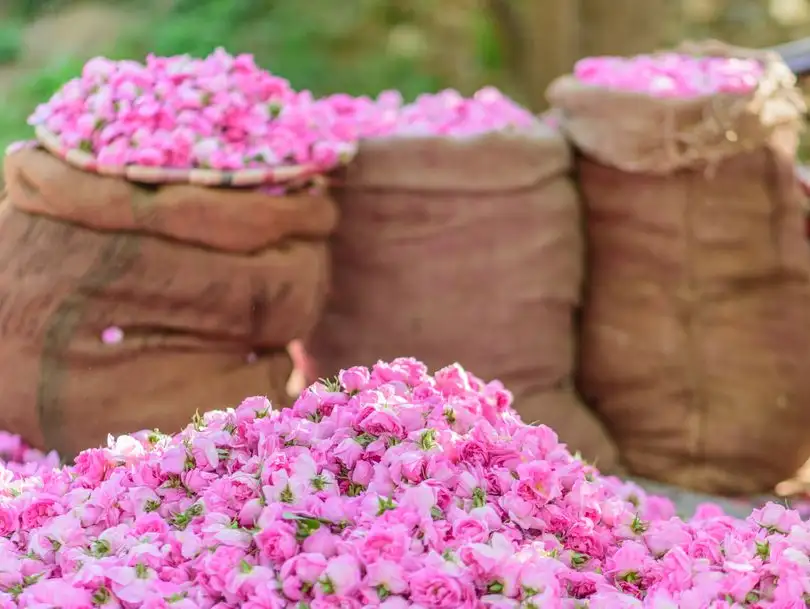
Taif is famous for its roses and rose products from the region are among the most refined souvenirs to buy in Saudi Arabia. Rose water, rose oil, and rose-scented products are elegant, fragrant, and easy to carry. These products are perfect for travelers who want a luxurious gift without buying something large or heavy. They also reflect one of Saudi Arabia’s most beautiful regional traditions.
Best places to look: Taif, perfume shops, heritage stores, and airport boutiques.
What to choose: Rose water, rose oil, soaps, creams, or scented products.
Special tip: Choose well sealed bottles and travel friendly packaging.
Saudi Honey
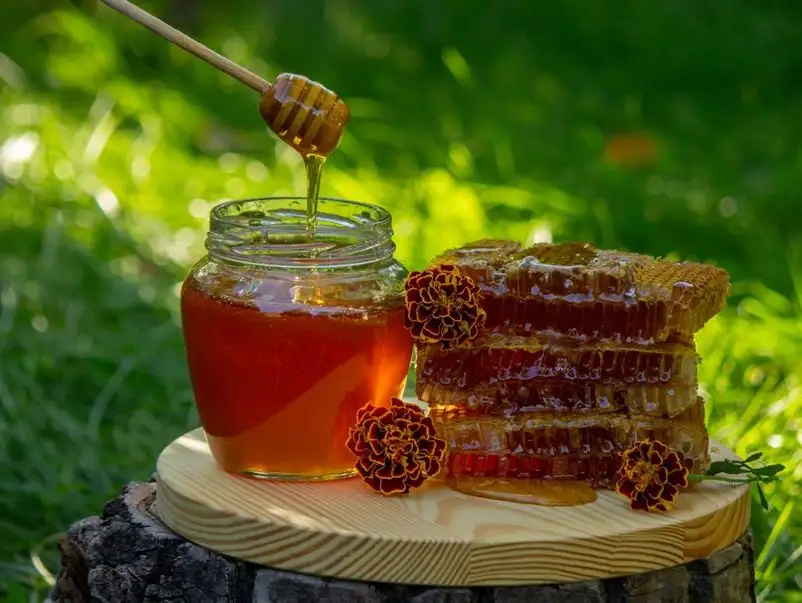
Saudi honey is a popular premium food gift, especially Sidr honey and mountain honey from regions such as Asir and Al Baha. These varieties are valued for their rich taste and natural origin. Honey is a thoughtful souvenir because it feels both luxurious and practical. It can be served at breakfast, used in desserts, or paired with traditional bread and coffee.
Best places to look: Asir, Al Baha, farmers’ markets, and specialty honey shops.
What to choose: Sidr honey, mountain honey, or regional honey varieties.
Best for: Food gifts, premium souvenirs, and travelers looking for natural products.
Handmade Pottery and Clayware
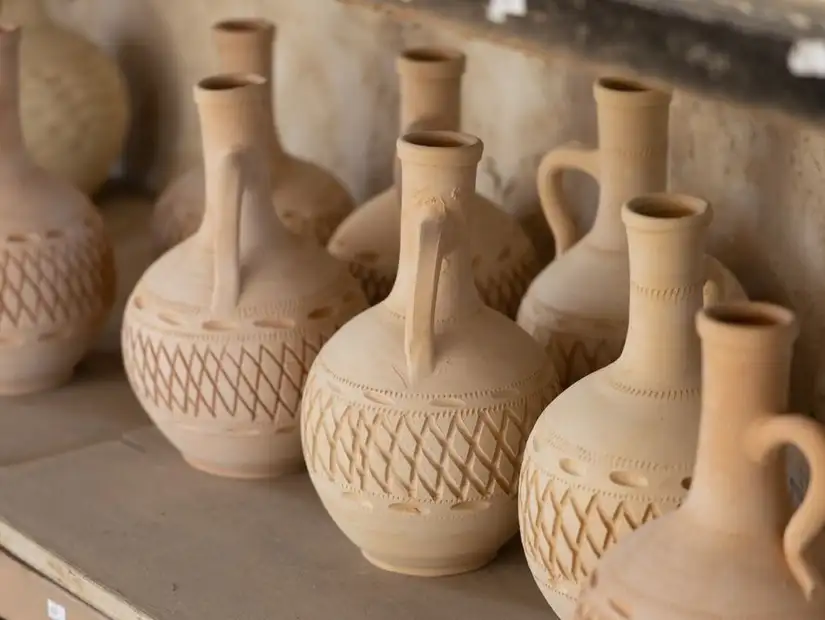
Handmade pottery and clayware are beautiful options for home décor. Regional styles often reflect local craft traditions, with simple shapes, earthy tones, and handmade details. These items can include bowls, jars, cups, decorative plates, or small clay pieces. Pottery is especially suitable for travelers who want something authentic and visually connected to Saudi heritage.
Best places to look: Al Ahsa, Jazan, and Riyadh artisan markets.
What to choose: Decorative bowls, clay cups, small jars, or handmade plates.
Important note: Pack fragile items carefully or ask the seller for protective wrapping.
Traditional Silver Jewelry
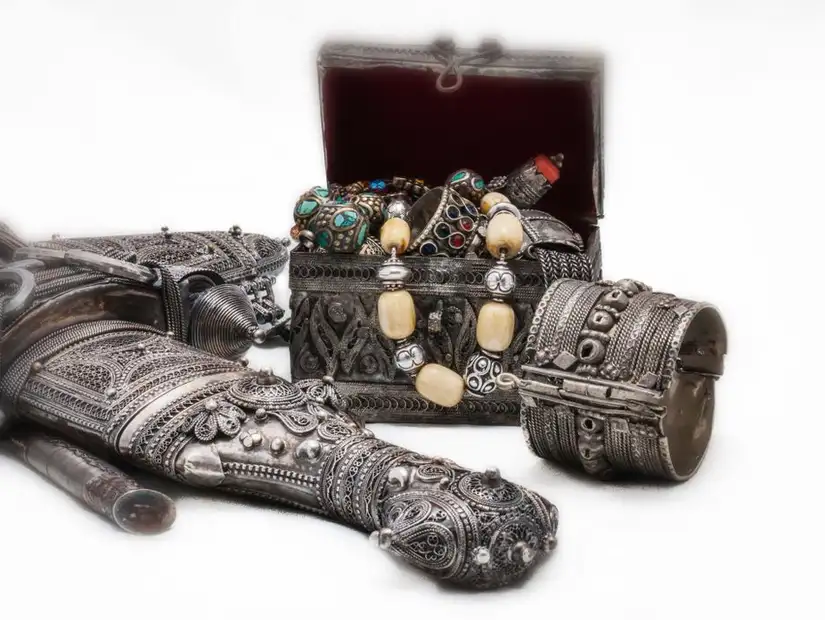
Traditional silver jewelry reflects different regional design influences, including Bedouin, Hijazi, and southern Saudi styles. These pieces often feature bold shapes, engraved details, and heritage inspired patterns. For travelers who enjoy fashion and cultural design, silver jewelry can be one of the most personal souvenirs to buy. Antique shops may also offer vintage pieces, although it is important to buy from trusted sellers.
Best places to look: Al Balad, Najran, Asir markets, and antique shops.
What to choose: Silver necklaces, rings, bracelets, or heritage inspired accessories.
Special tip: Ask about the origin, silver quality, and whether the piece is handmade or vintage.
Carpets and Rugs
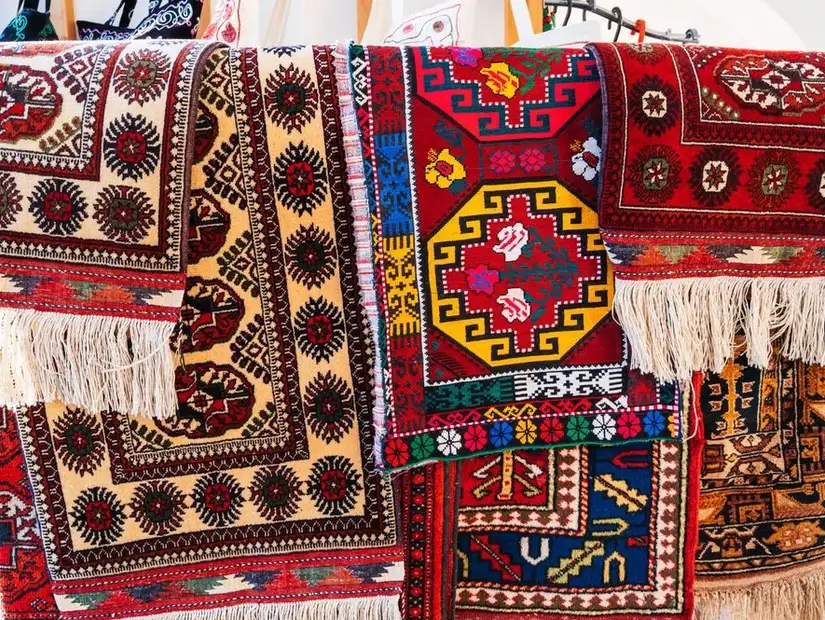
Carpets and rugs are a strong choice for shoppers looking for a premium heritage piece. Traditional markets and antique shops often offer rugs with regional patterns, warm colors, and handcrafted details. This option is ideal for travelers who want a statement piece for their home. Since rugs can vary in size, quality, and price, it is useful to compare different shops before making a decision.
Best places to look: Souq Al Zal, antique shops, and traditional markets.
What to choose: Small rugs, woven carpets, or vintage pieces.
Additional advantage: Smaller rugs can be easier to carry while still offering strong decorative value.
Mamoul and Traditional Sweets
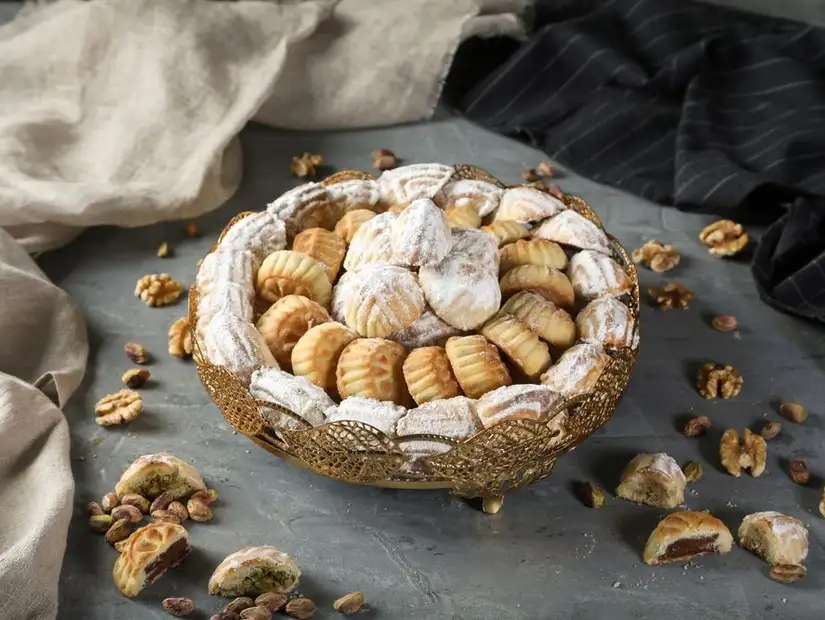
Mamoul and traditional sweets are easy to gift and strongly tied to Saudi coffee culture and hospitality. These sweets are often filled with dates, nuts, or other rich ingredients, making them a delicious souvenir for family, friends, or colleagues. They are also easy to find in beautiful boxes, especially in bakeries, date shops, and airport gift stores.
Best places to look: Bakeries, date shops, and airport gift stores.
What to choose: Mamoul with date filling, mixed sweet boxes, or premium gift packs.
Best for: Quick gifts, office treats, and travelers with limited luggage space.
Antiques and Vintage Heritage Pieces
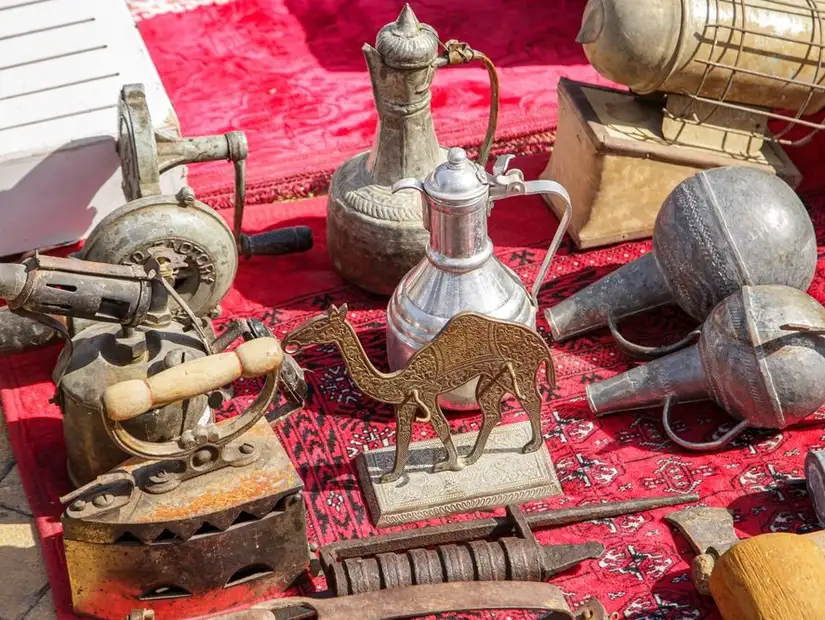
For collectors, Saudi Arabia offers a variety of antiques and vintage heritage pieces. You may find brassware, old coins, vintage coffee pots, carpets, decorative objects, and other items that carry a sense of history. This type of shopping requires more attention than buying regular souvenirs. Always look for reputable sellers, ask questions, and make sure any item you buy follows local regulations for export.
Best places to look: Souq Al Zal, Al Balad, and licensed antique sellers.
What to choose: Brassware, vintage dallahs, old coins, carpets, or decorative heritage objects.
Important note: For antiques, buy from trusted sellers and check any travel or customs requirements before taking items home.
Best Places to Shop for Authentic Saudi Arabian Handicrafts
Saudi Arabia has a rich mix of traditional souks, cultural districts, and artisan-focused shopping spots where travelers can discover authentic local crafts.
Riyadh, Souq Al Zal: One of the kingdom’s best-known traditional markets. It is a great place to shop for vintage carpets, antiques, oud, spices, heritage pieces, and traditional metalware.
Jeddah, Al Balad: A historic district known for its beautiful old architecture and atmospheric streets. Visitors can find perfumes, jewelry, textiles, traditional Hijazi gifts, and locally inspired souvenirs.
Al Ahsa, Qaisariya Souq: A strong choice for regional specialties. This area is known for dates, palm frond crafts, pottery, and Hasawi bishts.
Asir region, Abha and Rijal Almaa: One of the best regions for colorful Al Qatt Al Asiri art, traditional mountain crafts, and high-quality mountain honey.
AlUla and Diriyah: Ideal for travelers looking for more curated shopping experiences, including museum shops, artisan collaborations, boutique gifts, and modern interpretations of traditional Saudi crafts.
Other regional destinations: Taif, Qassim, Najran, and Al Baha also offer locally inspired products that reflect each region’s heritage, materials, and cultural identity.
Tips for Buying Authentic Handicrafts in Saudi Arabia
To make the most of your shopping experience, keep these practical tips in mind while exploring souks, artisan markets, and cultural shops.
Ask about the story: Many Saudi handicrafts are connected to specific regions, materials, or traditional techniques. Asking about the background of an item can make your purchase more meaningful.
Look for handmade details: Slight differences in color, size, weave, or finish are often part of the charm. These small variations can be a sign of authentic craftsmanship rather than mass production.
Check travel rules for food gifts: For dates, honey, sweets, spices, and coffee, make sure the packaging is secure and check travel or customs rules before flying.
Protect fragile items: For pottery, clayware, incense burners, glass perfume bottles, or delicate decorative pieces, ask the seller for secure wrapping before you travel.
Compare premium purchases: For higher value items such as bishts, rugs, antiques, or jewelry, take your time, compare quality, and buy from trusted sellers.
Shopping for authentic Saudi Arabian handicrafts is one of the best ways to experience the country’s culture beyond its landmarks. Every item, from a small box of dates to a handwoven textile, carries a piece of Saudi heritage. Whether you are visiting Riyadh, Jeddah, AlUla, Taif, Asir, or Al Ahsa, local markets and artisan shops offer unforgettable finds. All you need to do is book your flight to Saudi Arabia with WINGIE, discover the beauty of Saudi Arabia, and return home with meaningful souvenirs that tell a story.
You may also like:

